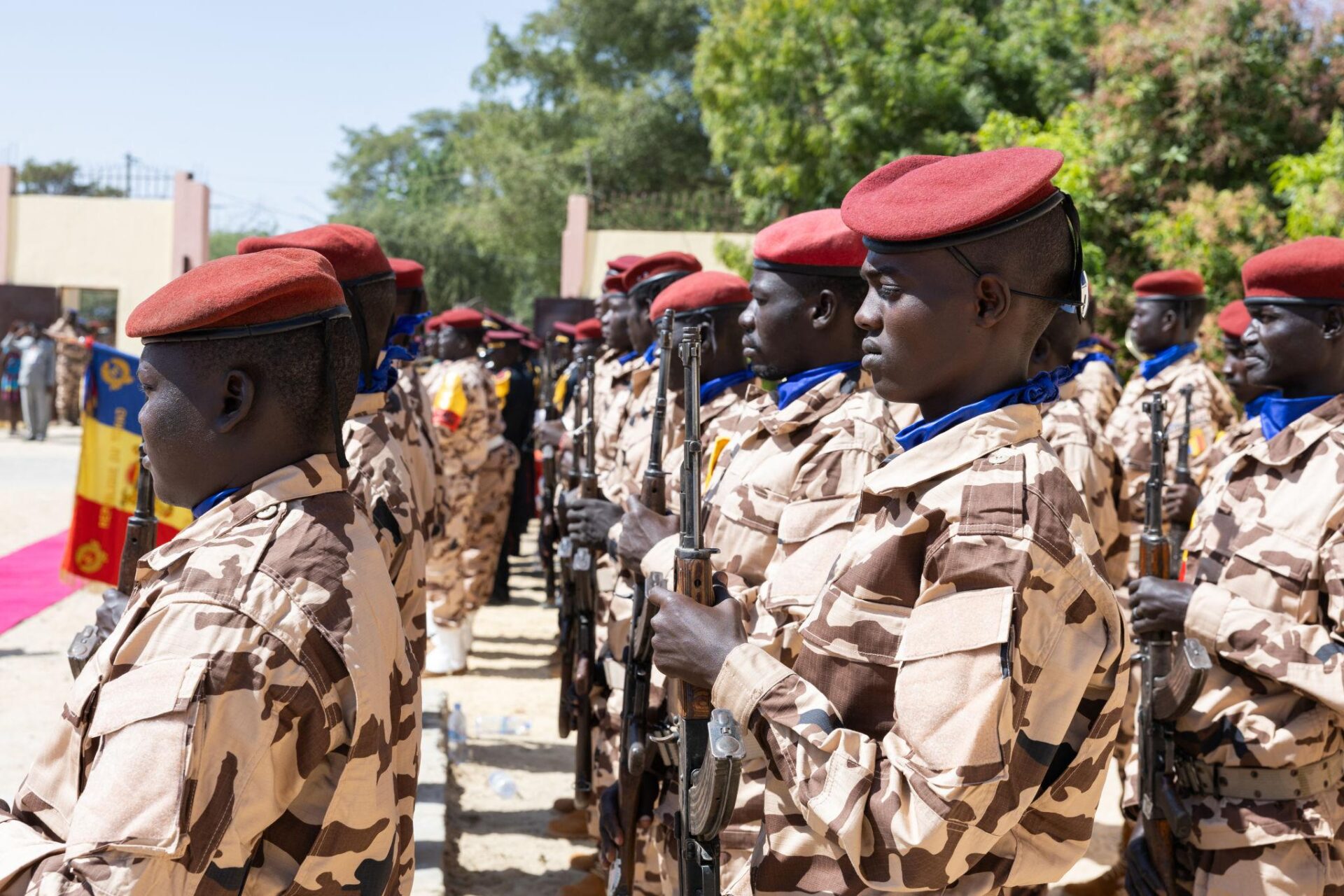
Chad is preparing to deploy approximately 800 police officers to Haiti as part of an expanding multinational security mission aimed at curbing rampant gang violence in the Caribbean nation, according to officials familiar with the plan.
The deployment will reinforce the United Nations-backed Gang Suppression Force (GSF), a coalition tasked with restoring order in a country grappling with severe instability and near-total gang control in key urban areas.
Transition from Kenyan-Led Mission
The GSF initiative builds on an earlier intervention spearheaded by Kenya, which deployed police officers to Haiti in 2024 under a UN-supported framework. That mission marked a significant international effort to stabilize Haiti’s deteriorating security environment.
Kenyan personnel, who have played a frontline role in combating armed gangs, are now expected to gradually withdraw as additional countries step in to scale up operations. At least three Kenyan officers have been killed during the deployment, underscoring the high-risk nature of the mission.
Growing Multinational Effort
The expanded force includes contributions from several countries, including Jamaica, Guatemala, and El Salvador. Together, these deployments aim to bring the total strength of the mission to more than 5,500 personnel by October.
The GSF operates in coordination with Haiti’s national security forces and has authority to arrest and detain suspected gang members an operational mandate intended to restore basic law enforcement capacity in areas overrun by criminal groups.
Escalating Crisis in Haiti
Haiti has faced a sharp deterioration in security since the 2021 assassination of President Jovenel Moïse, an event that triggered a prolonged political and institutional crisis.
Since then, heavily armed gangs have expanded their influence, now controlling an estimated 90 percent of the Capital, Port-au-Prince. The surge in violence has led to widespread displacement, disruption of essential services, and growing humanitarian concerns.
Deployment Challenges Persist
Despite international backing, efforts to scale up the multinational force have faced delays, largely due to logistical, financial, and political constraints. The addition of Chadian personnel is seen as a critical step toward reaching operational capacity and improving ground-level effectiveness.
Security analysts note that while increased troop presence may help contain gang activity, long-term stability in Haiti will depend on parallel progress in governance, institutional reform, and economic recovery.
Outlook
The planned deployment by Chad signals continued international commitment to addressing Haiti’s deepening crisis. However, with gangs firmly entrenched and state authority weakened, the mission faces a complex and protracted challenge in restoring order.