African airlines are coming under increasing financial strain as global fuel markets experience turbulence linked to the ongoing conflict involving the United States, Israel, and Iran.
The disruption has led to a sharp rise in jet fuel prices worldwide, with African carriers among the hardest hit due to their heavy reliance on imported fuel.
Strait of Hormuz Disruption Hits Supply Chains
Approximately 70 percent of Africa’s jet fuel and kerosene imports pass through the Strait of Hormuz, a critical maritime route that has been significantly affected by the conflict.
Since hostilities escalated last month, shipping activity through the strait has nearly come to a halt following a blockade by Iran, effectively removing an estimated 20 percent of global oil supply from the market. This has triggered a spike in fuel prices and heightened volatility across international energy markets.
Rising Costs Threaten Airline Operations
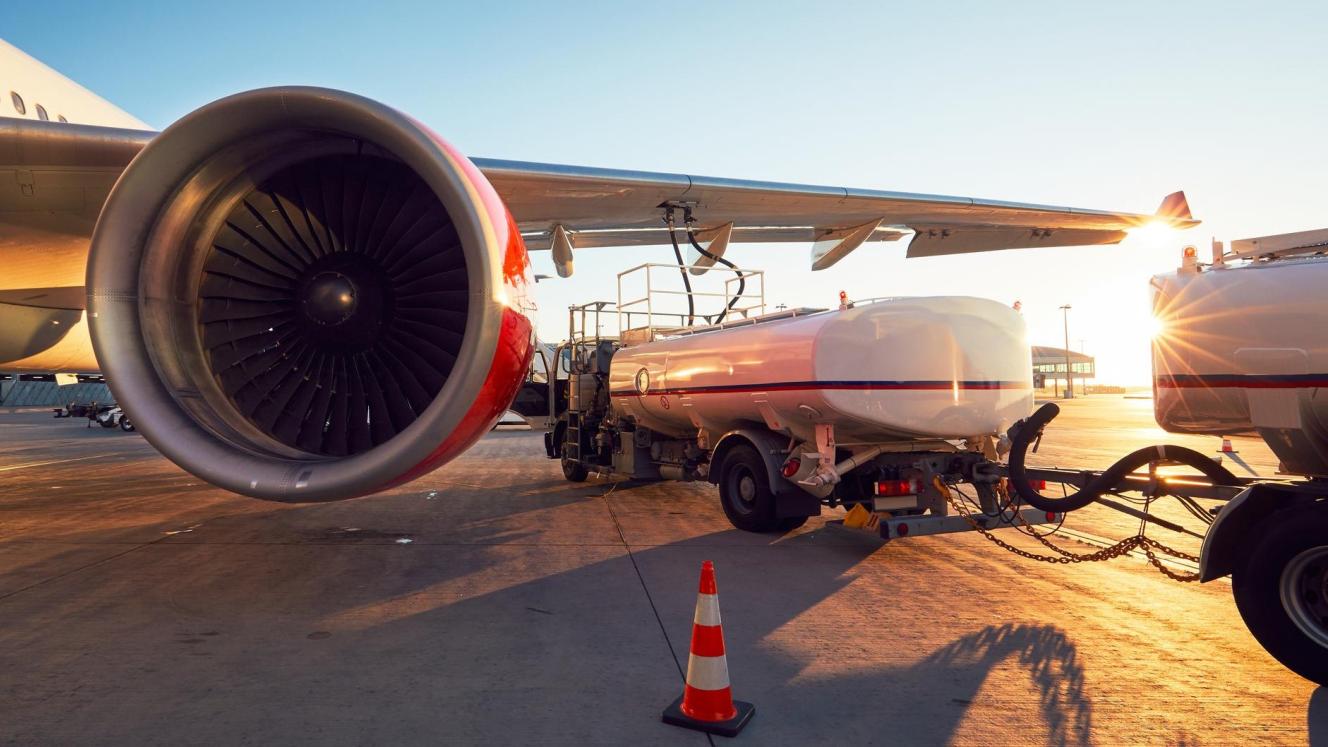
For African airlines, the impact is particularly severe. Jet fuel typically accounts for between 30 to 40 percent of operating costs substantially higher than in many other regions. For low-cost carriers, fuel expenses can reach as much as 55 percent of total operating costs.
The surge in prices is compressing already thin profit margins and forcing airlines to reassess operational strategies, including route planning, ticket pricing, and capacity management.
Uncertainty Disrupts Planning and Pricing
The volatility in fuel costs is also making it increasingly difficult for airlines to forecast expenses and set ticket prices. Industry operators are now hesitant to offer fares far in advance due to the risk of sudden price spikes, which could lead to financial losses.
This uncertainty is expected to impact passengers as well, potentially resulting in higher ticket prices and reduced flight availability in some markets.
Broader Economic Implications
The fuel crisis highlights Africa’s vulnerability to global supply chain disruptions, particularly in the energy sector. With limited domestic refining capacity in many countries, the continent remains heavily dependent on imported fuel, exposing key industries such as aviation to external shocks.
As the geopolitical situation remains fluid, analysts warn that prolonged disruption could further destabilize the aviation sector, slow recovery efforts, and increase the cost of air travel across the continent.