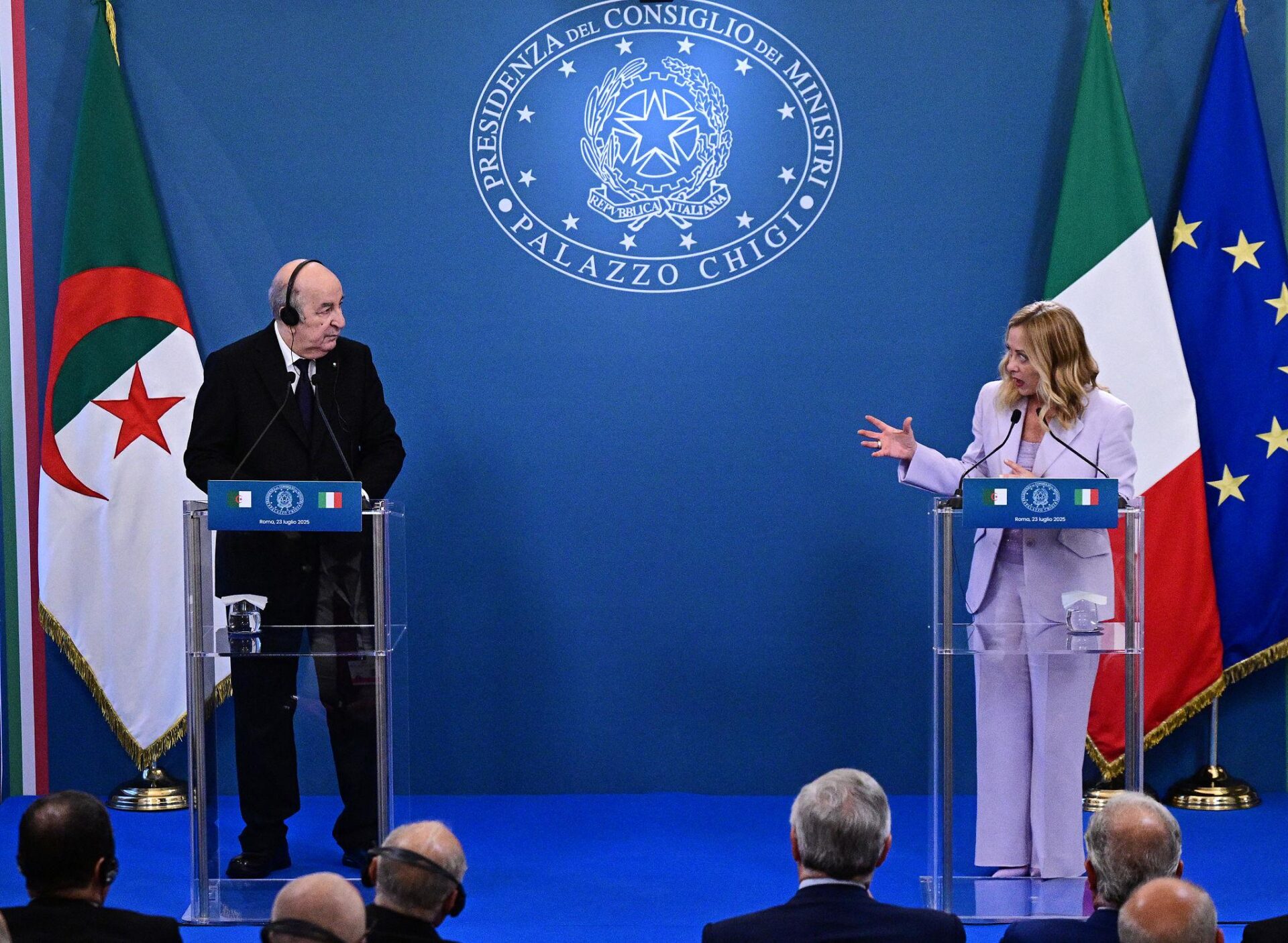
Italy’s Prime Minister Giorgia Meloni arrived in Algiers on Wednesday for a high-stakes working visit aimed at securing increased gas supplies and strengthening strategic ties with Algeria.
The visit marks Meloni’s second trip to the North African nation since taking office, reflecting the growing importance of Algeria in Italy’s energy security strategy.
Energy Security at the Forefront
Italy’s renewed outreach comes amid mounting pressure on global energy markets. Disruptions linked to the ongoing Middle East conflict have negatively impacted liquefied natural gas (LNG) exports from Qatar, prompting Rome to diversify its supply sources.
Algeria already accounts for approximately 30 percent of Italy’s gas imports, making it the country’s largest supplier. Strengthening this partnership has become a central pillar of Italy’s efforts to stabilise energy supplies.
Transmed Pipeline Advantage
A key asset in the bilateral relationship is the Transmed pipeline, which directly connects Algerian gas fields to Italy via Tunisia.
This infrastructure provides Italy with a relatively stable and cost-effective supply route compared to LNG shipments. During the visit, Meloni is expected to push for increased volumes and potentially lower prices for Algerian gas.
Negotiation Challenges
However, securing favourable terms may prove difficult. Algeria is under increasing pressure to maximise revenue from its energy exports, particularly as global demand surges amid supply disruptions elsewhere.
The situation has been further complicated by tensions around the Strait of Hormuz, a critical global energy corridor, where reduced shipping has tightened supply and driven prices upward.
In response, Algeria is reportedly reluctant to offer discounted rates, instead favouring market-based pricing. Italy, for its part, is said to be offering investment incentives to strengthen long-term cooperation.
Capacity Constraints
Another challenge lies in Algeria’s production and export capacity. While demand continues to rise, the country will need to rapidly scale up output and infrastructure to meet both existing commitments and new agreements.
Limited alternative suppliers in the current market further heighten competition for available gas, placing Algeria in a strong negotiating position.
Strategic Implications
Meloni’s visit underscores a broader shift in European energy policy, as countries seek to reduce reliance on volatile supply routes and diversify partnerships.
For Italy, deepening ties with Algeria represents both an economic necessity and a geopolitical strategy aimed at ensuring long-term energy stability in an increasingly uncertain global landscape.