
As Pope Leo XIV prepares for his first major visit to Africa, the upcoming trip is drawing both anticipation and criticism marking a historic milestone in Algeria while triggering controversy in Equatorial Guinea over how the visit is being funded.
Historic Papal Visit to Algeria
The April 13 stop in Algeria will make Leo XIV the first pope in history to visit the predominantly Muslim nation, where Islam is the state religion.
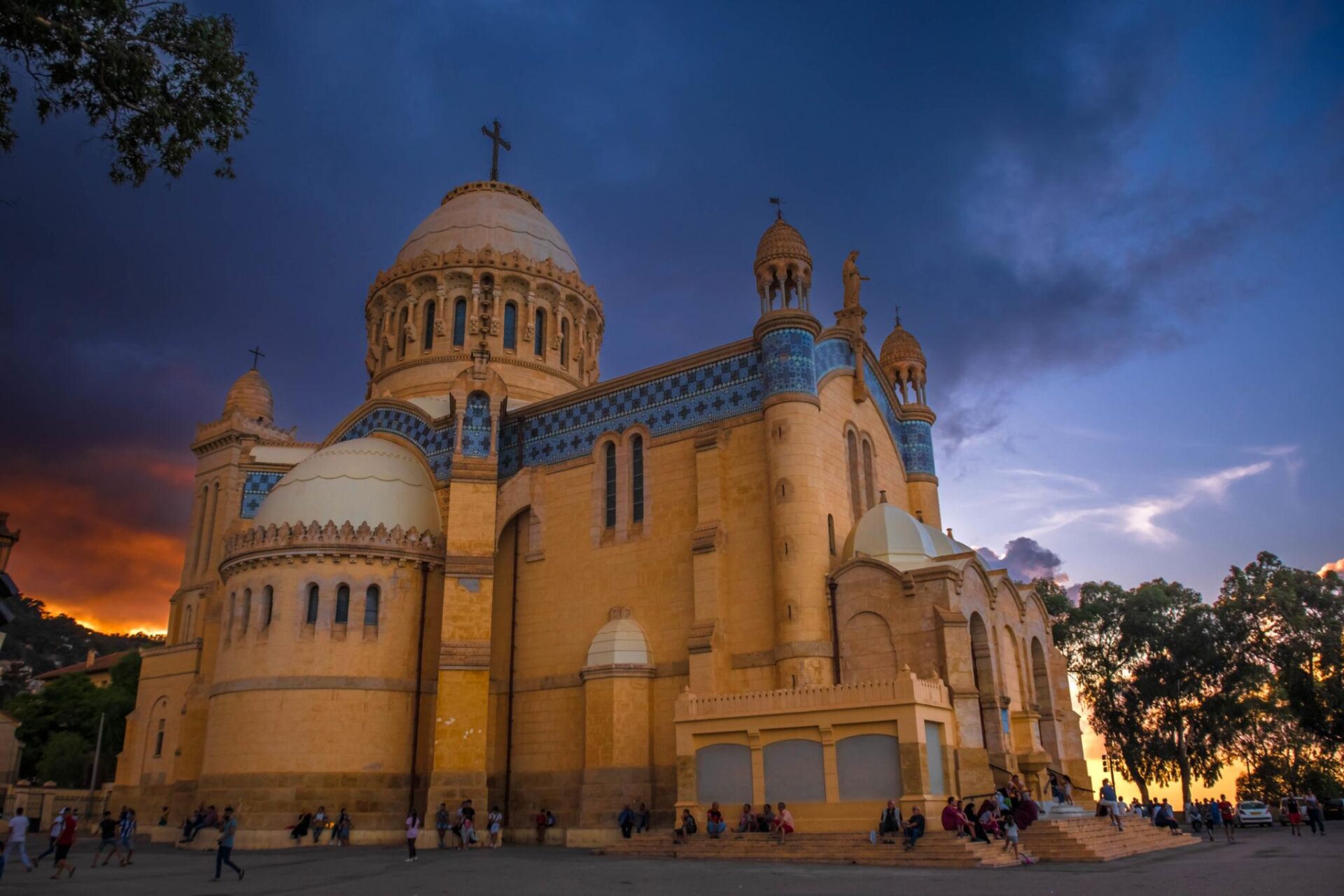
During his visit, the pontiff is scheduled to celebrate Mass at the iconic Basilica of Our Lady of Africa in the capital, Algiers. He will also travel to Annaba, widely regarded as the spiritual home of Saint Augustine, one of Christianity’s most influential early thinkers.
The visit coincides with the 30th anniversary of the murder of seven Catholic monks during Algeria’s civil war a moment of reflection on interfaith relations and the country’s complex religious history.
Funding Backlash in Equatorial Guinea
While Algeria prepares for a symbolic religious milestone, preparations in Equatorial Guinea have been overshadowed by growing public discontent.
Authorities in the oil-rich nation have imposed mandatory salary deductions reportedly up to 55,000 CFA francs (€75) on civil servants and military personnel to help finance the papal visit scheduled for April 21.
Students are also said to be required to purchase papal-themed attire to attend official events, a move that critics argue places an undue burden on citizens in a country where poverty remains widespread despite significant natural resource wealth.
The government of long-serving president Teodoro Obiang Nguema has not publicly addressed the backlash in detail. Public dissent is rare in the country, where political expression is tightly controlled.
Balancing Symbolism and Social Reality
Despite the controversy, Pope Leo XIV’s visit to Equatorial Guinea is expected to include meetings with prisoners and a visit to a memorial site, reflecting the Vatican’s emphasis on social justice and outreach to marginalized communities.
The contrasting reactions in Algeria and Equatorial Guinea highlight the broader challenges facing papal diplomacy in Africa balancing historic religious engagement with local political and economic realities.
As the tour approaches, attention will remain focused not only on its symbolic significance for the Catholic Church but also on its social and political implications across the continent.

