
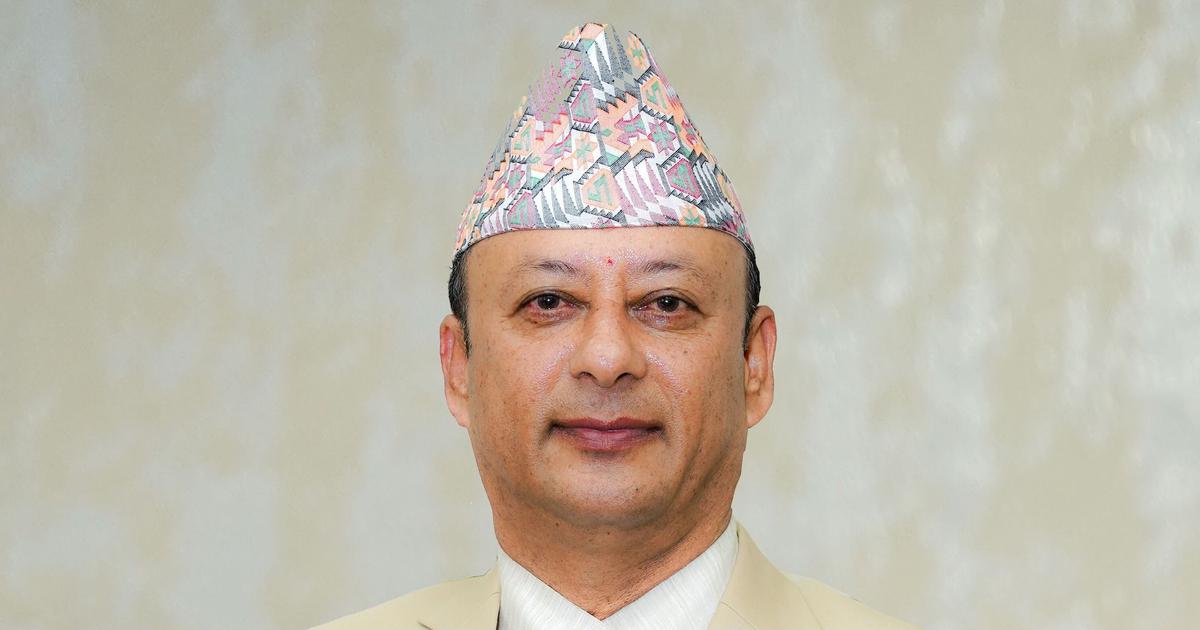
Nepal’s intensifying anti-corruption crackdown has taken a new turn with the arrest of Deepak Khadka, as authorities widen investigations into alleged financial crimes and political accountability following months of unrest.
Police confirmed that Khadka was detained on Sunday in connection with a money laundering case. According to the Central Investigation Bureau, the probe is being led by the Department of Money Laundering Investigation, which is examining funds allegedly recovered from his residence during violent protests earlier this year.
Arrests Follow Deadly Crackdown Inquiry
Khadka’s arrest comes just days after authorities detained former prime minister KP Sharma Oli and ex-home minister Ramesh Lekhak over their alleged roles in a deadly security crackdown on anti-corruption demonstrators in September.
An official inquiry found that at least 76 people were killed during protests on September 8 and 9, when security forces opened fire on crowds. The commission recommended legal action against senior officials, citing failure to prevent the use of lethal force.
Both Oli and Lekhak have denied ordering the shootings.
From Protest to Political Upheaval
The unrest began as a youth-led movement triggered by a temporary social media ban but quickly evolved into a broader uprising against corruption, governance failures, and economic hardship.
Demonstrations escalated into widespread violence, including arson attacks on government buildings and parliament. Protesters also targeted Khadka’s residence, where viral footage showed crowds throwing bundles of cash allegedly discovered inside the property.
The crisis ultimately led to the fall of Oli’s administration, marking one of the most significant political upheavals in Nepal in recent years.
New Government Promises Reform
In the aftermath, voters delivered a decisive victory to the Rastriya Swatantra Party, ushering in a new political leadership under Balendra Shah, a former rapper-turned-politician who took office on Friday.
The new government has moved swiftly to position itself as reform-oriented, unveiling a 100-point governance agenda that prioritizes transparency and accountability.
Central to the plan is the creation of a high-level investigation committee tasked with auditing the assets of politicians and senior public officials an effort aimed at restoring public trust in state institutions.
Expanding Legal and Political Implications
The latest arrests signal a broader effort by Nepal’s new leadership to confront entrenched corruption and respond to public demands for justice. Analysts note that the simultaneous pursuit of financial crime investigations and accountability for protest-related violence reflects a dual-track strategy: addressing both systemic corruption and human rights concerns.
However, the developments also carry risks of political polarization, particularly as high-profile figures contest the allegations against them.
A Defining Moment for Nepal
As investigations continue, Nepal faces a critical test of its institutions’ ability to deliver credible justice while maintaining political stability. The outcome of these cases is likely to shape the country’s governance trajectory and determine whether the new administration can translate public momentum into lasting reform.

