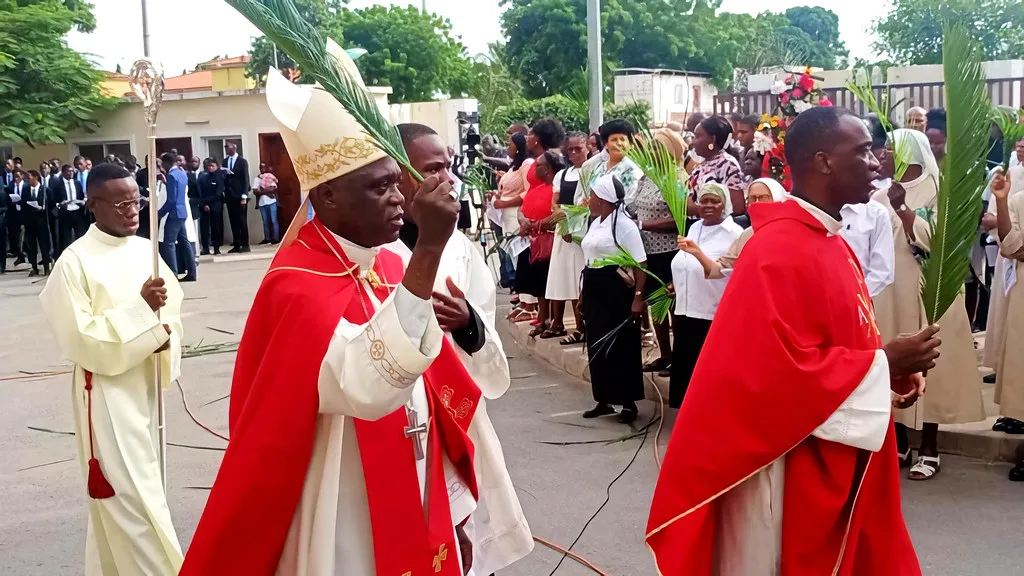
Lagos, Nigeria – 3 April 2026 Worshippers carrying wooden crosses and dressed in biblical costumes moved through districts including Yaba and Ikeja on Good Friday, marking one of the most significant observances in the Christian calendar.
The processions, part of the traditional Stations of the Cross, saw participants stop at intervals to pray and reflect on the final hours of Jesus Christ. While the ritual is widely observed across Nigeria each year, many said the 2026 commemoration carried deeper meaning amid mounting economic challenges.
“This year, the message feels closer to home. We are carrying not just the cross of Christ, but our daily struggles,” one participant said in Ikeja.
Good Friday, a public holiday in Nigeria, remains one of the most visible expressions of Christian faith in the country, which is home to one of Africa’s largest Christian populations. In Lagos, the symbolism of sacrifice and endurance resonated strongly against the backdrop of rising living costs.
Recent market trends indicate that while some food prices have slightly eased, essential staples remain expensive, and transport costs continue to strain household budgets. For many, the religious observance became intertwined with lived economic realities.
“The Stations of the Cross remind us of suffering, but also perseverance. That is what many Nigerians are holding onto right now,” a church leader in Yaba noted.
The processions drew large crowds across the city, with worshippers navigating busy streets in acts of devotion that doubled as quiet expressions of resilience.
“Faith is what keeps people going, even when the economy is difficult,” another participant said.
As Nigeria continues to face inflation, job insecurity, and concerns over safety, this year’s Good Friday observances highlighted more than the traditional themes of sacrifice and redemption. They reflected a broader national mood one shaped by endurance, hope, and the search for stability in uncertain times.