
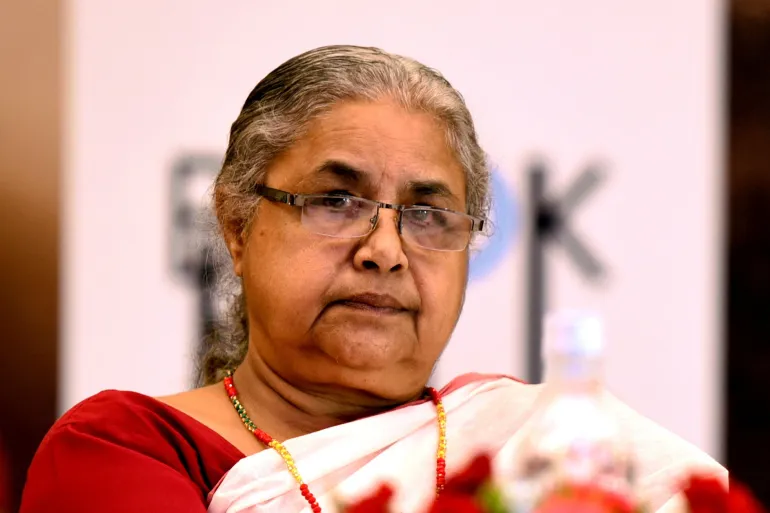
Nepal is on the verge of appointing former Chief Justice Sushila Karki as interim prime minister, following the dramatic resignation of K.P. Sharma Oli after days of deadly anti-graft protests. Sources close to the negotiations told Reuters that President Ramchandra Paudel and Army Chief Ashok Raj Sigdel consulted constitutional experts before agreeing on Karki as a consensus choice.
The protests—led largely by Gen Z demonstrators mobilized through social media—erupted after a controversial social media ban, later rolled back. The unrest escalated into the worst political upheaval in years, leaving 34 people dead and more than 1,300 injured. Protesters stormed parliament and targeted symbols of wealth and privilege, including luxury hotels and politicians’ residences, in a display of anger over corruption and inequality.
While leaders of the youth movement distanced themselves from the arson, analysts say the violence underscored deep frustration in a country where millions of young people leave annually to seek work abroad, while political elites are seen to live in luxury.
Karki’s appointment, expected after a meeting at the president’s residence, reflects both the urgency of restoring stability and the growing influence of Nepal’s youth in shaping the nation’s political future. Shops in Kathmandu began reopening on Friday, signaling a fragile return to normalcy, though soldiers and police remain deployed across the capital.
Nepal, wedged between India and China, has faced chronic instability since the abolition of its monarchy in 2008. Whether Karki can bridge the divide between entrenched elites and a restless new generation will determine if this moment becomes a turning point—or another chapter in the country’s cycle of unrest.

