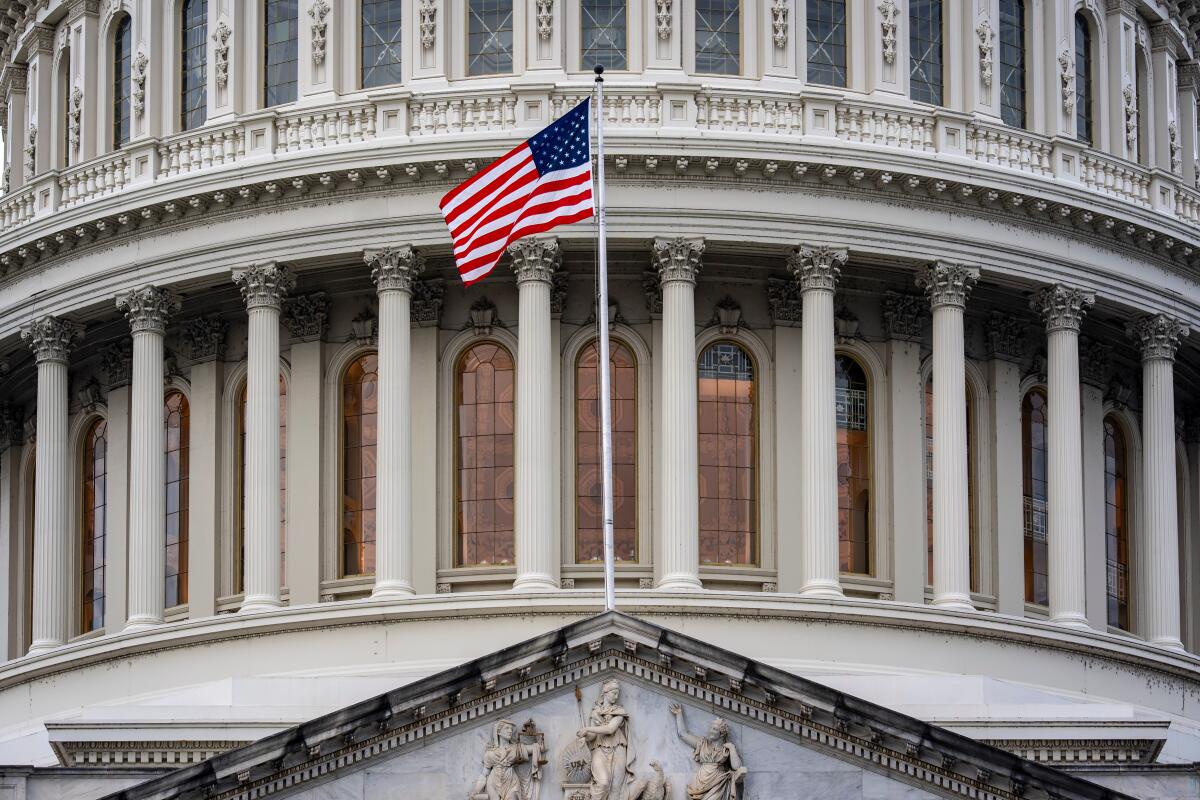
The United States government has entered a partial shutdown after lawmakers failed to agree on a stopgap spending bill before the September 30 deadline. Funding lapsed at 00:01 EDT (04:01 GMT) on Wednesday, forcing non-essential federal services to close and leaving hundreds of thousands of workers uncertain about their pay.
This marks the first shutdown since 2018, but President Donald Trump has signaled that the disruption could be more severe than past instances, warning he could use the lapse to permanently cut jobs and programs favored by Democrats.
What the Shutdown Means
- Non-essential services — such as the publication of economic data and small business loan approvals — have been suspended.
- Essential workers — including military personnel, law enforcement, and air traffic controllers — will remain on duty but without pay until funding resumes.
- Social programs — Social Security and food assistance will continue despite the impasse.
Traditionally, federal workers furloughed during shutdowns have received back pay once government operations resume. However, Trump has threatened to use this shutdown to reduce the size of the federal workforce, saying, “We can do things during the shutdown that are irreversible… like cutting vast numbers of people out.”
Political Deadlock
The shutdown followed weeks of partisan disputes.
- Democrats blocked a Republican proposal to extend funding until November 21, insisting that any temporary measure must also protect and expand healthcare coverage.
- Republicans, in turn, rejected a Democratic bill to extend funding through October, which included over $1 trillion in healthcare spending.
- Both proposals fell short of the 60 votes needed to pass in the Senate.
Democratic leaders, including Senate Minority Leader Chuck Schumer, branded the funding lapse a “Republican shutdown,” accusing the GOP of prioritizing politics over protecting Americans’ healthcare. Meanwhile, Republicans have pointed the finger at Democrats, with Senate Majority Leader John Thune calling the impasse “unnecessary” and politically motivated.
Historical Context
Since 1980, the U.S. government has shut down 15 times, the longest lasting 34 days during Trump’s first term in 2018–2019. Experts caution that the current standoff could drag on, given the high political stakes.
Economist Gerald Epstein of the University of Massachusetts-Amherst noted, “I think that it is impossible to predict what Trump is going to do. Will the Dems cave? Probably not for a while.”
Outlook
As both parties exchange blame, the immediate fallout will be felt by federal employees and citizens relying on suspended services. With neither side showing signs of compromise, uncertainty looms over how long the shutdown will last — and whether Trump will follow through on his threat to make permanent cuts to the federal workforce.