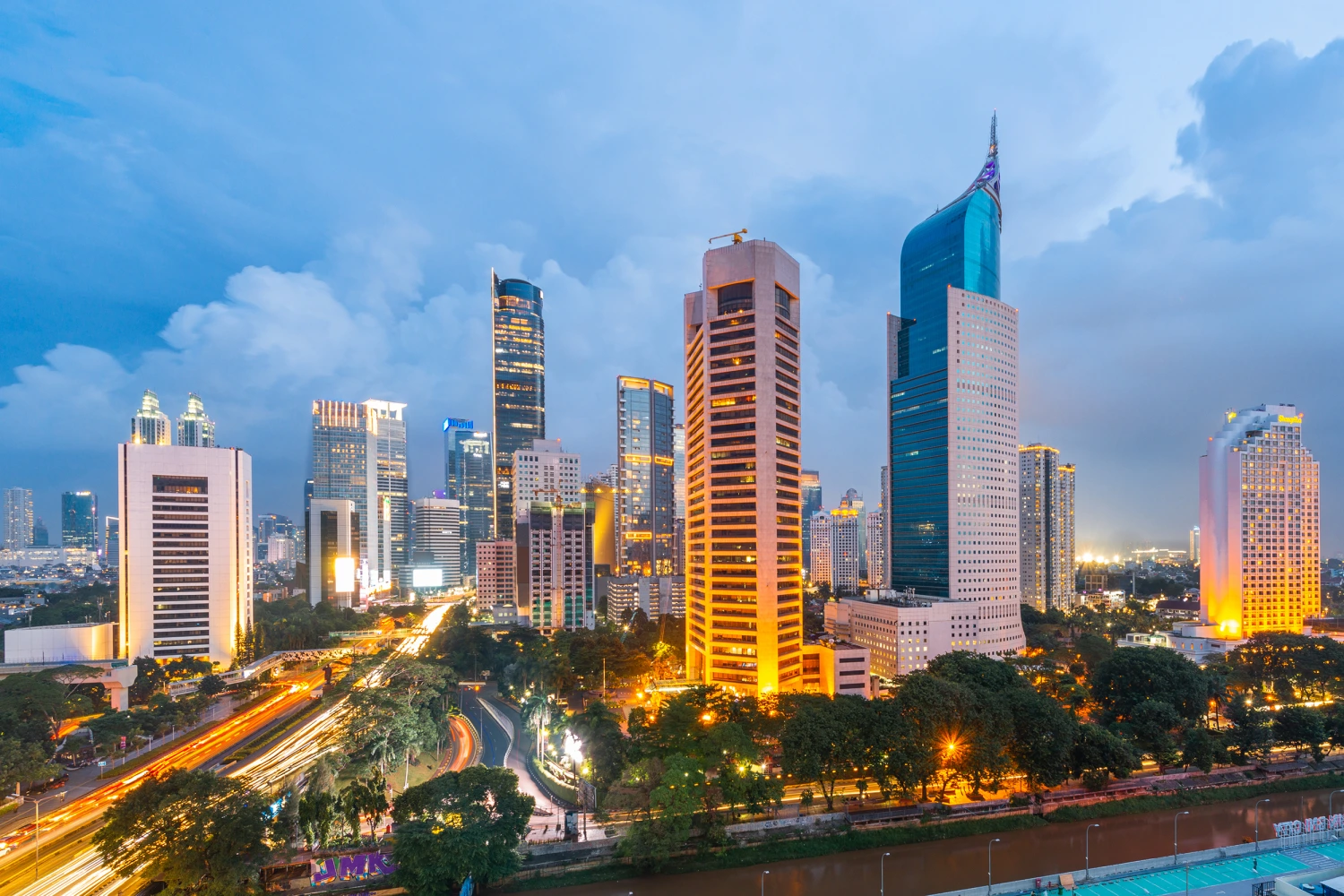
Tokyo has lost its long-standing status as the world’s most populous megacity, now ranking third, according to a recent United Nations report. Jakarta, Indonesia, now holds the top spot and is expected to maintain it until 2050, when Dhaka, Bangladesh, is projected to overtake it.
The UN report highlights a dramatic rise in urban living, showing that the number of megacities cities with populations exceeding 10 million has grown from eight in 1975 to 33 in 2025, with the majority located in Asia. This represents a significant shift from 1950, when only 20% of the global population lived in urban areas.
While Tokyo’s population has gradually grown to 33.4 million, it has been surpassed by Jakarta, now home to nearly 42 million people, and Dhaka, with almost 37 million residents. Both cities have expanded far more rapidly than Tokyo since 2000, with Jakarta and Dhaka growing at more than five and seven times Tokyo’s rate, respectively. By 2050, Dhaka’s population is expected to reach 52.1 million, edging Jakarta out by roughly 300,000, while Tokyo is forecast to fall to seventh place, overtaken by Shanghai, New Delhi, and others.
The UN report also notes that the number of megacities is projected to rise to 37 by 2050, though none of the new additions will be in Europe. Cairo, with a population of 32 million, is currently the only non-Asian city in the top 10. London, Istanbul, and Moscow remain Europe’s only megacities, with London projected to grow by nearly 1.5 million residents by 2050 but remain Europe’s smallest megacity.
Despite the growth of large urban centers, the majority of cities worldwide remain small. Around 96% of cities have fewer than one million residents, and 81% host fewer than 250,000 people. Globally, 45% of the population now lives in cities, 36% in towns, and 19% in rural communities, highlighting the uneven distribution of urban populations.