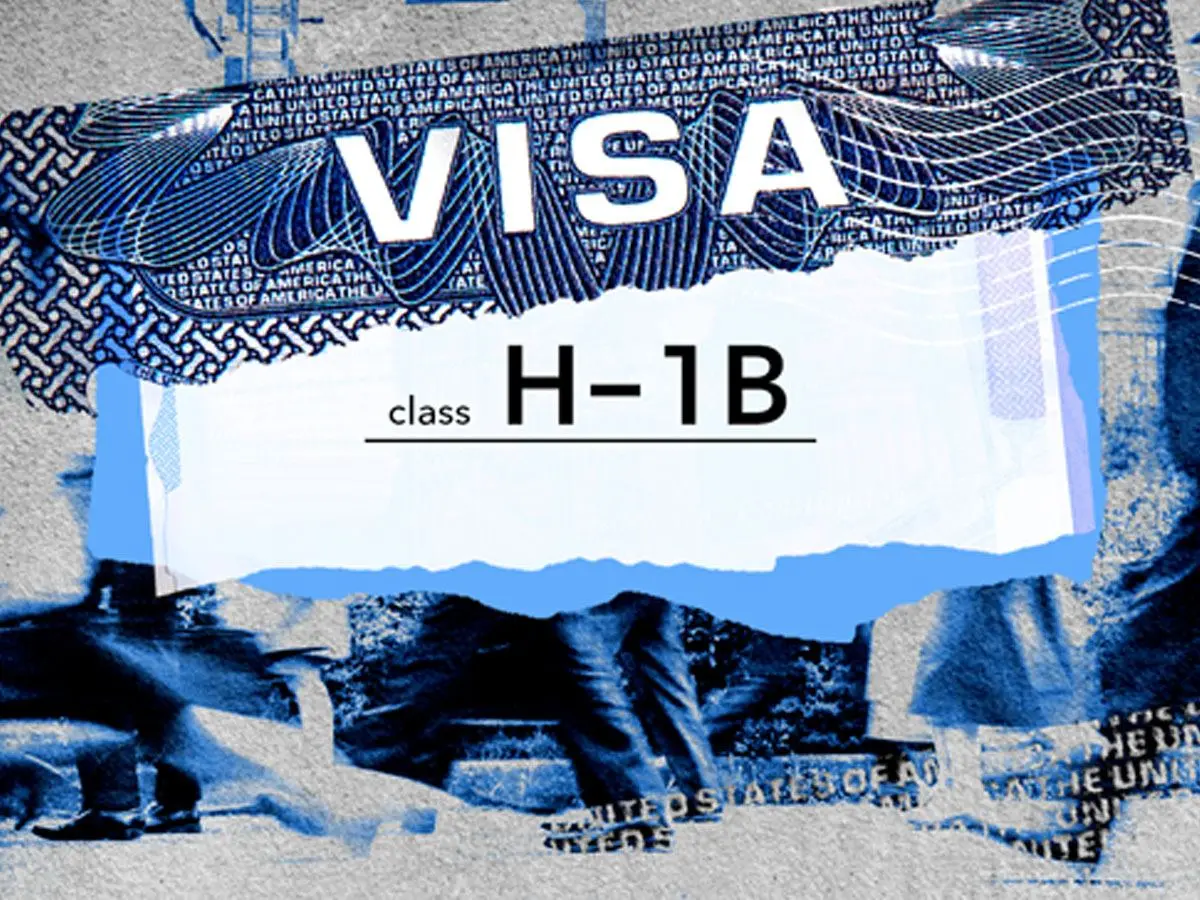
The United States is tightening its vetting process for H-1B visa applicants, requiring broader social media disclosure and increased scrutiny for those working in sensitive fields, including misinformation and disinformation.
The U.S. Department of State announced Thursday that all H-1B applicants, along with their dependents, must make their social media profiles public. The goal is to ensure applicants do not pose a threat to Americans or U.S. national interests. The move mirrors a policy introduced in July for student visa applicants. H-1B visas, typically granted to individuals with specialized knowledge in fields such as technology, medicine, finance, engineering, and academia, are temporary but often serve as a pathway to permanent U.S. residency.
According to an internal State Department cable obtained by Reuters, applicants involved in work that could suppress “free speech” will be subject to enhanced scrutiny. Consular staff have been instructed to review LinkedIn profiles and employment histories for positions in content moderation, fact-checking, compliance, online safety, and companies involved in censoring protected expression.
The updated guidelines also apply to accompanying family members and applicants seeking H-1B renewals. The cable directs consular staff to deem applicants ineligible if there is evidence of involvement in censorship or attempts to suppress protected speech in the U.S.
The policy marks a shift from previous U.S. approaches, when the State Department and the U.S. Agency for International Development (USAID) supported overseas initiatives to combat misinformation and disinformation.
Since returning to office in January, President Donald Trump has emphasized reducing restrictions on what he considers “free speech,” often targeting conservative voices. Trump himself was deplatformed from X (formerly Twitter) after the January 6, 2021 Capitol attack, only to be reinstated following Elon Musk’s acquisition of the platform in 2022. Among his early actions was an executive order prohibiting federal censorship of free expression.
In May, the State Department also warned it might deny entry to foreign officials involved in restricting free speech, including pressuring U.S. tech companies to moderate content. Much of this scrutiny has focused on Europe, which enforces stricter content regulations and hate speech laws than the U.S. How the Trump administration will approach allied countries, such as Australia which recently banned social media access for children under 16 remains unclear.