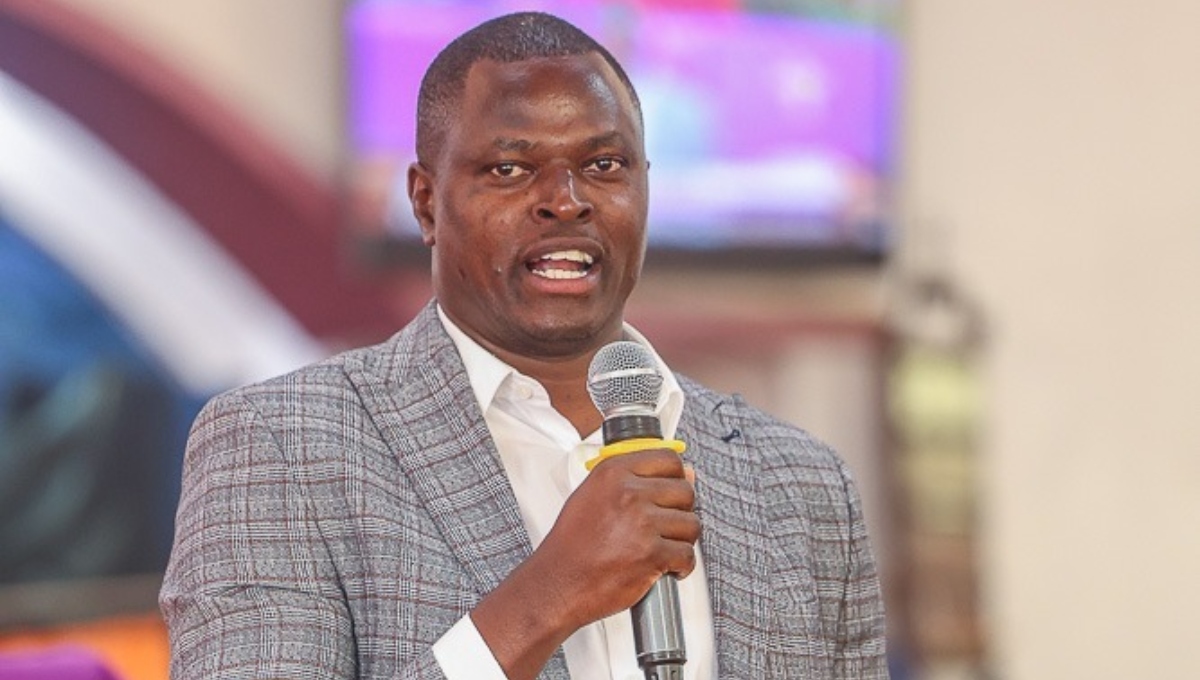
Kiharu Member of Parliament Ndindi Nyoro has urged the government to move swiftly towards the full implementation of free secondary education in Kenya, insisting that access to education must be guaranteed and shielded from political influence.
Speaking on Thursday at a public forum in Mombasa, Nyoro proposed the establishment of a national secondary school education kitty to finance day secondary education across the country, including the provision of school meals.
“This is about Kenya’s future. Education must be free, accessible, and protected from politics,” Nyoro said.
Funding Proposal
Nyoro suggested a financing model that pools resources from multiple levels of government:
- KSh 10 billion from the Constituency Development Fund (CDF)
- KSh 10 billion from county governments, deducted from their equitable share
- Additional funding from the National Government through the Ministry of Education
According to him, Kenya requires approximately KSh 30 billion annually to make secondary education fully free an amount he argued could be achieved through better prioritisation of existing public resources.
Equal Access for All Learners
The legislator cautioned against constituency-based education programmes, warning that they risk creating disparities among learners. He instead called for a uniform national framework to ensure equal access to education for all Kenyan children, regardless of their location.
Concerns Over Safaricom Stake Sale
Nyoro also reiterated his concerns over the proposed sale of the Government of Kenya’s 15 per cent stake in Safaricom, warning that the telecommunications giant is significantly undervalued at the Nairobi Securities Exchange (NSE).
He cited recent local and international transactions where companies were acquired at premiums far above their trading prices, arguing that market valuations often fail to reflect the true worth of strategic national assets.
Nyoro urged the government to subject the Safaricom stake to an international competitive bidding process, saying this would attract better offers and protect Kenya from losing billions of shillings in value.
“This is not about politics, but about safeguarding Kenya’s wealth and investing in our future,” he said.
Linking Education and National Wealth
According to Nyoro, selling the Safaricom stake through a global competitive process could generate substantially more revenue funds that could be channelled into critical development sectors such as education, infrastructure, and healthcare.
His remarks tie together two pressing national priorities: ensuring equal access to education and protecting strategic national assets to secure Kenya’s long-term economic future.