
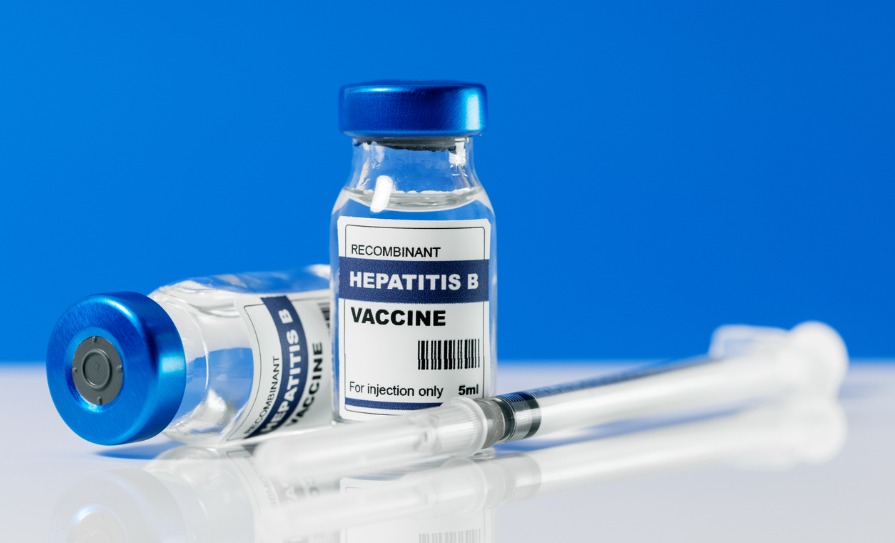
Authorities in Guinea-Bissau have suspended a controversial US-backed hepatitis B vaccine study on newborns, citing serious ethical concerns. The country’s health minister announced that the six-member ethics committee responsible for oversight never convened before the study was approved a red flag that has prompted an emergency review.
The Trial in Question
The halted trial aimed to randomly vaccinate some newborns while withholding the shot from others, tracking illness, death, and developmental outcomes over a five-year period. Critics argue the design is unethical, given that the hepatitis B vaccine is already proven to protect infants in regions where the disease is widespread.
Africa CDC’s Position
The Africa Centres for Disease Control and Prevention (Africa CDC) has backed Guinea-Bissau’s decision to pause the study, stressing that public health decisions must prioritize African interests rather than external agendas.
US Officials Push Ahead
Despite the suspension, US health officials have insisted the project is still moving forward. The study is funded by a $1.6 million no-bid contract awarded to a Danish research team. The group has been linked to past anti-vaccine controversies and has received praise from US Health Secretary Robert F. Kennedy Jr.
Scale of the Study
The trial was designed to follow 14,000 newborns over five years, making it one of the largest vaccine-related studies in West Africa. With the emergency review underway, however, the future of the project remains uncertain.
Ethical Concerns
Critics highlight that withholding a proven vaccine in a country where hepatitis B is common could expose infants to unnecessary risk. The lack of proper ethical oversight before approval has intensified scrutiny, raising questions about transparency, accountability, and the role of foreign influence in African health research.
Conclusion
Guinea-Bissau’s decision to halt the hepatitis B vaccine study underscores the importance of rigorous ethical standards in medical research, especially in vulnerable populations. As the emergency review proceeds, the case is likely to spark broader debates about how global health projects are designed, funded, and monitored in Africa.

