
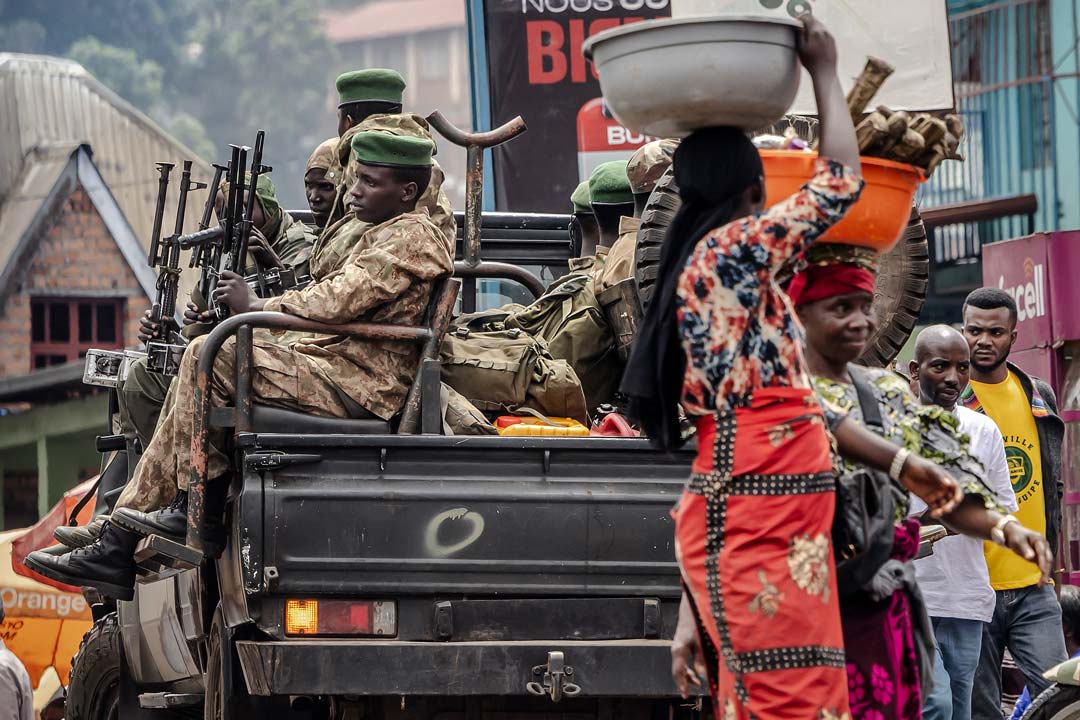
Nearly a year after Rwanda-backed M23 fighters seized the eastern Congolese city of Goma, life for civilians has been dramatically reshaped by insecurity, displacement, and deepening political tensions.
The Takeover
The capture of Goma in late January last year followed days of intense fighting that left many residents killed or wounded. The shockwaves reverberated across the provincial capital, a vital hub in the mineral-rich eastern Democratic Republic of the Congo (DRC).
Since then, armed patrols and strict security controls have become part of daily life, altering the rhythm of the city and straining already limited public services.
Civilian Impact
Residents and human rights groups report forced transfers of civilians from surrounding areas, alongside military operations targeting groups M23 considers hostile. The atmosphere of fear has disrupted normal life, leaving communities fractured and vulnerable.
Political Accusations
The Congolese government has repeatedly accused Rwanda of backing M23, a claim Kigali denies. This week, government spokesperson Patrick Muyaya described conditions under M23 control as “governance by crime,” alleging Rwanda is attempting to export a model that stifles freedoms. Muyaya also criticized Rwanda’s president for undermining peace efforts, citing his absence from key talks in Luanda last December.
M23’s Position
M23 rejects accusations of being a proxy force. The group insists it is fighting for reforms, better governance, and the full implementation of past peace agreements.
Corneille Nangaa, coordinator of the AFC-M23 alliance, said the movement’s struggle is aimed at transforming the DRC after decades of political and institutional failure.
Humanitarian Crisis
The conflict has triggered mass displacement. Tens of thousands fled Goma before and after its capture, while hundreds of thousands more have been uprooted across the region. Camps and host communities are overwhelmed, and humanitarian agencies warn of worsening conditions as diplomatic efforts to restore peace continue to falter.
Conclusion
One year on, Goma remains a city defined by uncertainty. For civilians, the takeover has meant living under armed control, navigating fear, and coping with displacement. As accusations and denials between Kinshasa and Kigali persist, the human toll of the conflict underscores the urgent need for renewed peace efforts in the eastern DRC.

