
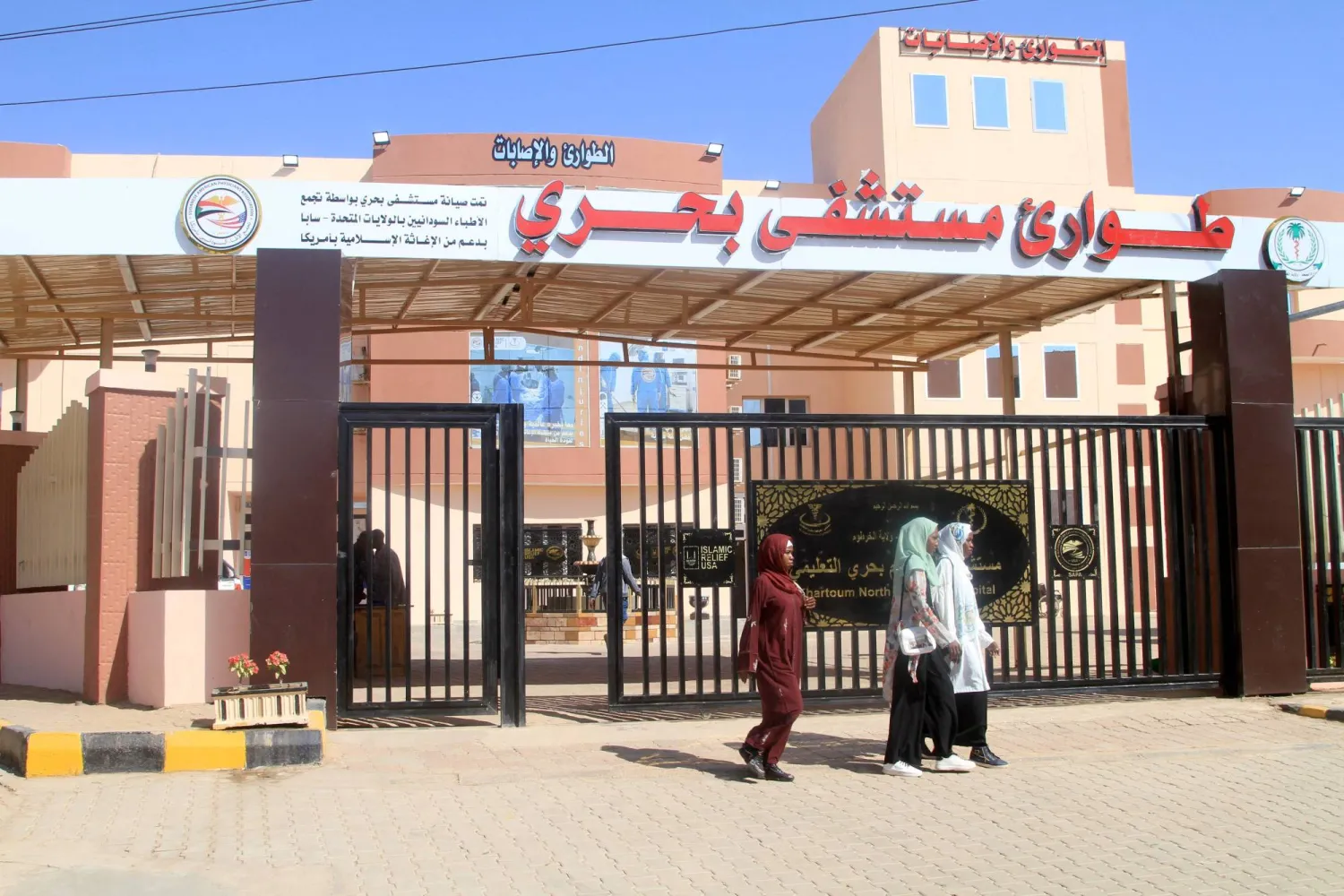
Three years after being wrecked and looted in the early days of Sudan’s war, Khartoum’s Bahri Teaching Hospital has reopened its doors to patients, marking a significant milestone in the city’s slow recovery.
A Hospital in Ruins
Located in northern Khartoum, Bahri Teaching Hospital was stormed by the Rapid Support Forces (RSF) in April 2023, just days after fighting erupted between the RSF and Sudan’s army. Looted and heavily damaged, the facility was forced to shut down.
“Bahri hospital, like other government buildings and facilities, suffered damage amounting to 70 percent,” said Galal Mostafa, the hospital director. “The hospital is considered a referral centre providing distinguished services to all states of Sudan, not only Khartoum.”
A Moment of Relief
For staff members, the reopening is a symbol of resilience.
“We never imagined this hospital would reopen,” said Ali Mohamed Ali, head of the surgery department. “If you saw it before it was restored, it was completely destroyed.”
The restoration has brought relief to both medical professionals and patients, who had been left without access to critical services during the hospital’s closure.
Ongoing Challenges
Despite the reopening, Bahri Teaching Hospital continues to grapple with the broader effects of Sudan’s prolonged conflict. Years of fighting have destabilized the economy, leaving the facility under financial strain.
“The financial crisis has worsened, salaries and incentives have been affected, and the budget does not cover expenses,” said Salah El Haj, the hospital’s CEO.
Wider Recovery Efforts
According to the Sudan Doctors’ Network, around 40 of Khartoum’s 120 hospitals that shut down during the war have now resumed operations. While this signals progress, the healthcare system remains fragile, with shortages of supplies, staff, and funding threatening long-term stability.
Conclusion
The reopening of Bahri Teaching Hospital is a powerful reminder of Sudan’s resilience amid conflict. As one of Khartoum’s key referral centres, its return to service offers hope to thousands of patients. Yet, with economic hardship and ongoing instability, the road to full recovery for Sudan’s healthcare system remains long and uncertain.

