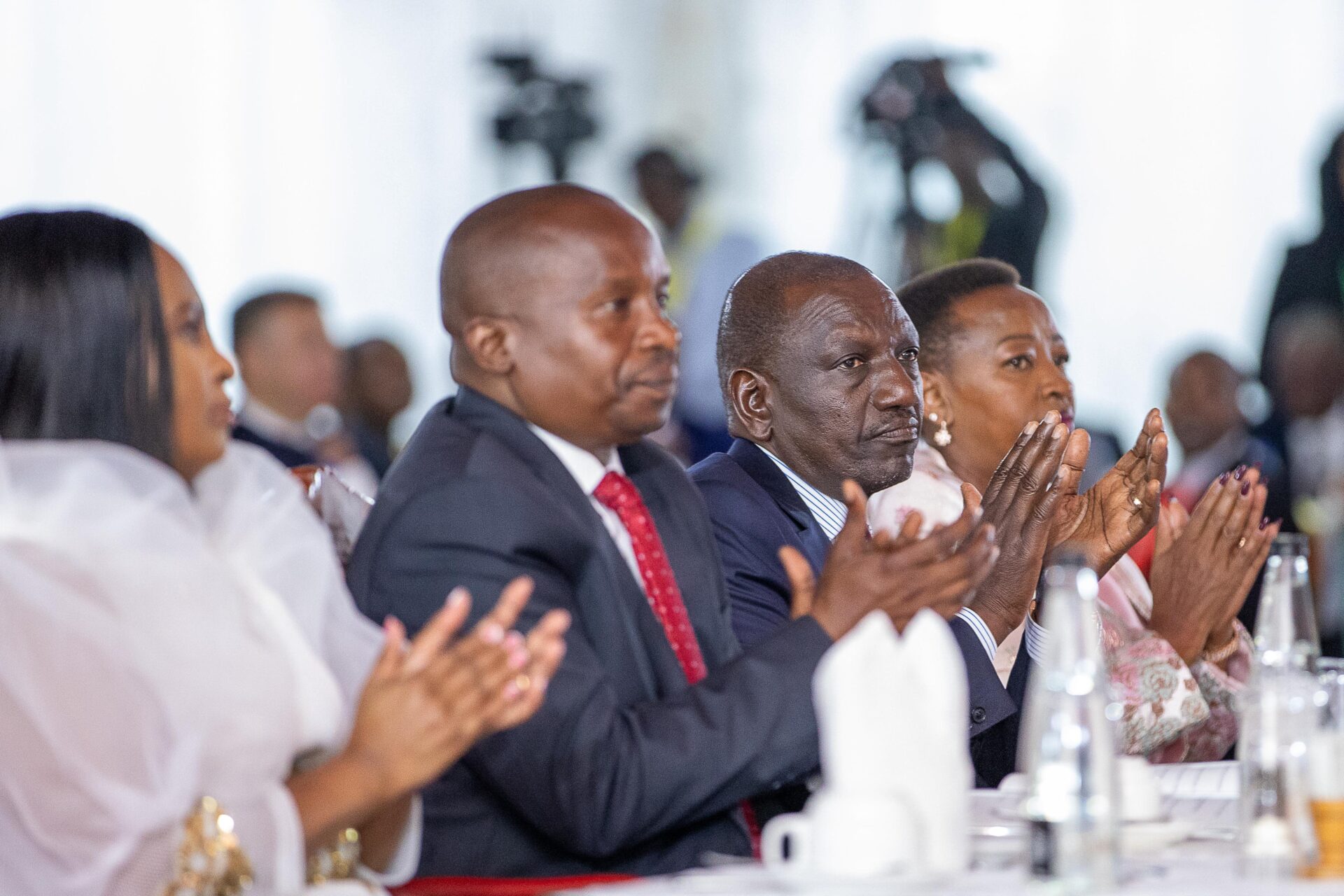
Nairobi, Kenya – A constitutional petition has been filed in the High Court seeking to compel Parliament and related offices to disclose how much public money was spent on the 2025 National Prayer Breakfast and to stop the use of public funds for the 2026 edition of the event.
The petition, lodged before the Constitutional and Human Rights Division in Nairobi by advocate Lempaa Suyianka, names the Parliamentary Service Commission, the National Assembly, the Senate, the Attorney General, and the Commission on Administrative Justice as respondents.
Petitioner’s Claims
Suyianka argues that the respondents violated his constitutional right of access to information under Article 35 of the Constitution by failing to disclose expenditure details.
He says he made a formal Freedom of Information request on March 13, 2025, addressed to the Clerk of the National Assembly, but was denied access. Follow-up letters to the clerks of both Houses in June 2025 and intervention by the Commission on Administrative Justice in July 2025 yielded no results.
In October 2025, the Parliamentary Service Commission informed him that the National Prayer Breakfast was included in annual expenditure estimates tabled in Parliament under Article 221, but did not disclose the actual amount spent.
Constitutional Grounds
The petition contends that:
- Refusal to provide information violates Articles 35(1)(a) and 35(3) of the Constitution.
- Parliament’s involvement in organizing the event breaches the doctrine of separation of powers.
- Use of public funds for the prayer breakfast amounts to imprudent expenditure, contrary to Article 201.
- The Commission on Administrative Justice failed to enforce its mandate to compel disclosure.
Suyianka seeks declarations that the respondents violated the Constitution, orders compelling disclosure of expenditure details, and an injunction restraining the use of public funds for the 2026 National Prayer Breakfast.
Court’s Position
High Court Judge Bahati Mwamuye declined to issue interim orders, instead directing that the matter be heard on merit.
Broader Implications
The case raises significant questions about transparency, accountability, and the use of public resources in Kenya. It also touches on the balance between religious traditions in governance and constitutional principles of fiscal responsibility.