
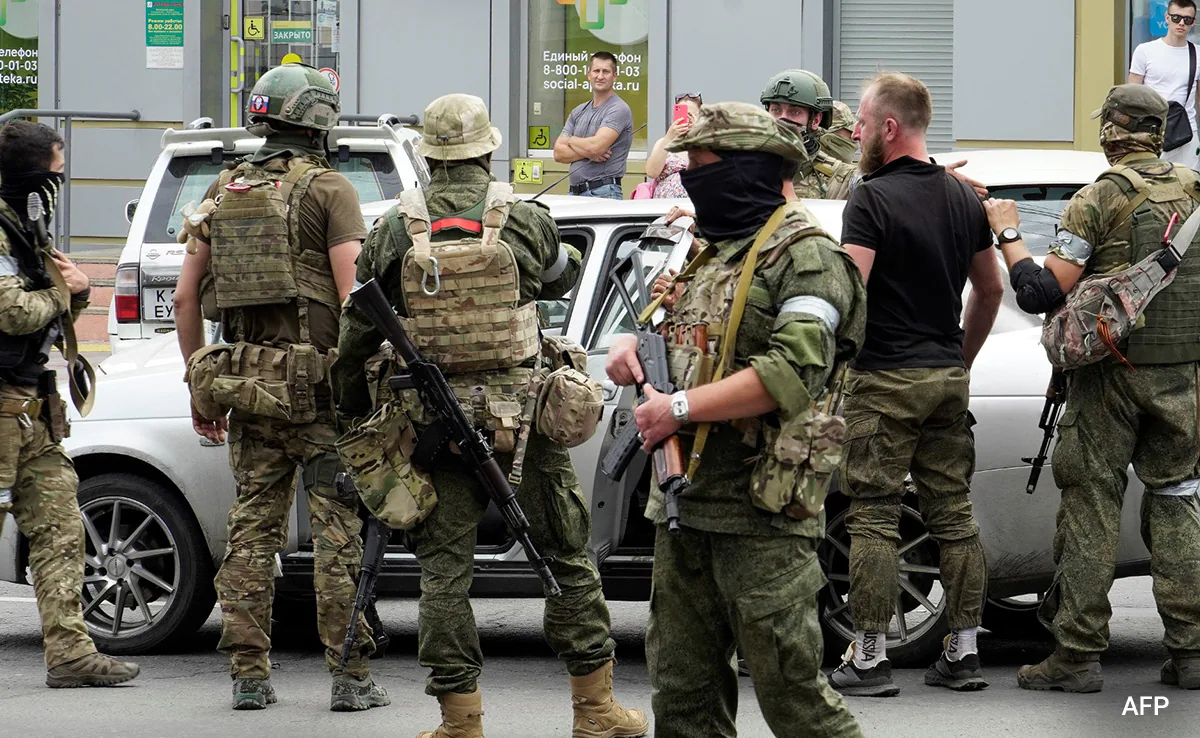
Russia’s SVR foreign intelligence agency has assumed control of the Wagner Group’s influence operations in Africa following the death of Wagner founder Yevgeny Prigozhin, according to a new investigation by a consortium of media and investigative outlets.
Wagner’s Legacy in Africa
Wagner, notorious for its brutal methods and denounced by rights organisations, was Russia’s most prominent mercenary group. Beyond deploying fighters in countries such as Libya and Mali, Wagner ran extensive disinformation and destabilisation campaigns across Africa.
After Prigozhin’s death in a 2023 plane crash, the Russian defence ministry sought to replace Wagner militarily through the Africa Corps. However, investigators say it is the SVR that has taken over Wagner’s political influence and disinformation operations, pushing Moscow’s strategic interests across the continent.
Africa Politology – Wagner’s Influence Arm
Nearly 100 consultants work for Wagner’s influence branch, known as Africa Politology or The Company. Between 2024 and 2025, teams were deployed across countries including Angola, Burkina Faso, Chad, Ghana, Libya, Mali, Niger, Sudan, Madagascar, Zimbabwe, Egypt, Cameroon, Benin, and Namibia.
The SVR reportedly provides intelligence, recruits sources, and places agents of influence in strategic roles. Internal documents more than 1,400 pages in Russian revealed strategic plans, biographies, operational reports, and disinformation campaign summaries.
Political Strategy in the Sahel
In Mali, the SVR was tasked with gathering intelligence on France and the United States and supporting the creation of a new military-political union involving Mali, Burkina Faso, Niger, and Guinea. This effort coincided with the formation of the Alliance of Sahel States (AES) in 2023, after successive coups pushed these countries away from France and ECOWAS.
Investigators described this as a “significant political win” for Moscow, particularly in the unstable Sahel region.
Budget and Effectiveness
The investigation estimated the budget for Wagner-SVR influence operations between January and October 2024 at $7.3 million about $750,000 per month. Despite the scale of investment, analysts noted that Russia has struggled to convert memorandums of understanding into tangible business gains.
“Russia is playing the long game but the results are not always quick to materialise,” the report concluded.
Conclusion
The takeover of Wagner’s influence operations by the SVR underscores Russia’s determination to maintain and expand its footprint in Africa. While military operations are now coordinated by the defence ministry, the SVR’s role in shaping political narratives and disinformation campaigns highlights the evolving nature of Moscow’s strategy on the continent.
