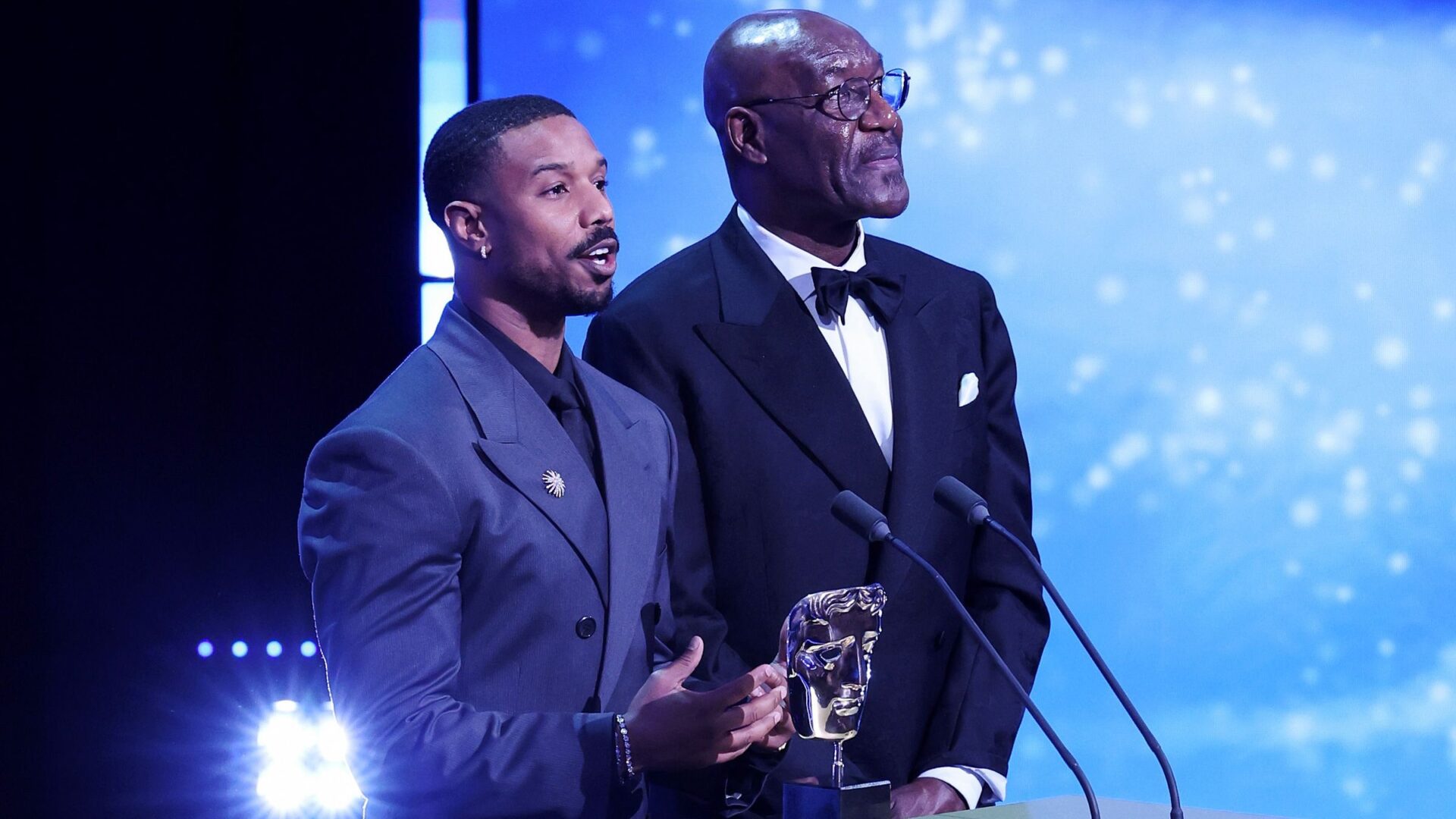
The British Academy Film Awards (BAFTAs) have come under fire after the BBC failed to edit out a racial slur shouted by activist John Davidson, who lives with Tourette Syndrome (TS). The incident occurred during Sunday’s ceremony, sparking widespread condemnation and raising questions about editorial oversight.
The Incident
Davidson, the real-life inspiration behind the BAFTA-nominated film I Swear, shouted several times during the ceremony due to involuntary verbal tics associated with TS. At one point, he used the N-word while actors Delroy Lindo and Michael B. Jordan were presenting an award.
Host Alan Cumming later explained to the audience that Davidson’s outbursts were linked to his condition, apologizing for any offense caused. However, despite the broadcast being on a two-hour delay, the slur was not edited out before airing on BBC1 and E! in the U.S., nor from the archival version on BBC iPlayer until Monday.
BBC and BAFTA Responses
On Monday, the BBC issued a statement acknowledging the error:
“Some viewers may have heard strong and offensive language during the BAFTA Film Awards. This arose from involuntary verbal tics associated with Tourette syndrome… We apologize that this was not edited out prior to broadcast and it will now be removed.”
BAFTA also released a written apology, recognizing the harm caused:
“Our guests heard very offensive language that carries incomparable trauma and pain for so many. We apologize unreservedly to Michael B. Jordan, Delroy Lindo, and all those impacted.”
Public Reaction
The failure to edit out the slur drew sharp criticism worldwide. Actor Jamie Foxx called the broadcast “unacceptable,” while Wendell Pierce wrote that the priority should have been a full apology to Jordan and Lindo.
Davidson himself later reached out to apologize directly to the actors and production designer Hannah Beachler, emphasizing his lifelong campaign for awareness of TS.
Understanding Tourette Syndrome
Tourette Syndrome is a neurodevelopmental disorder characterized by involuntary tics, which can be motor (movements) or vocal (sounds or words). While most tics are harmless, around 10–15% of people with TS experience vocal tics that may include offensive language. Experts stress that such outbursts are involuntary and not reflective of personal beliefs.
In the UK, more than 300,000 people live with TS, according to Tourettes Action. Symptoms typically begin around age six and may fluctuate in severity over time.
Broader Implications
The controversy highlights the challenges of balancing awareness of neurological conditions with the need for sensitive editorial oversight in live and delayed broadcasts. It also underscores the importance of public education about TS to reduce stigma and misunderstanding.