Iran and the United States held several hours of indirect negotiations on Thursday over Tehran’s nuclear program, yet walked away without a deal, raising fears of renewed conflict in the Middle East. The US has deployed a substantial fleet of aircraft and warships to the region as the talks concluded.
Oman’s Foreign Minister Badr al-Busaidi, who mediated the Geneva discussions, described the negotiations as making “significant progress,” though he did not provide further details.
Iranian state media reported that Tehran remains committed to enriching uranium domestically, rejected proposals to transfer it abroad, and called for the lifting of international sanctions. These positions indicate Iran is not willing to meet demands set by US President Donald Trump.
Trump, seeking a deal to curb Iran’s nuclear ambitions, sees an opportunity amid domestic unrest in Iran following nationwide protests. However, Iran has emphasized its right to uranium enrichment and has refused to discuss related issues, including long-range missile development or its support for armed groups such as Hamas and Hezbollah.
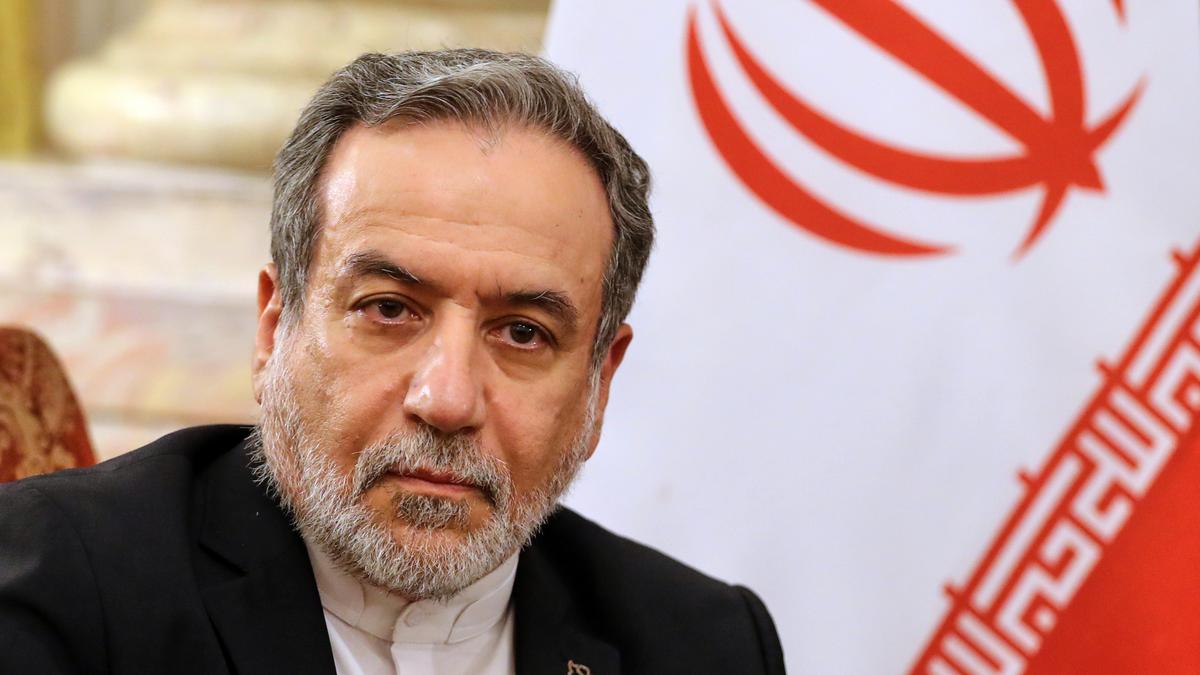
“These are some of the most intense and longest rounds of negotiations we have conducted,” Iranian Foreign Minister Abbas Araghchi told state television. He added that Tehran’s position was clear but declined to provide specifics.
Al-Busaidi confirmed that technical-level talks are scheduled to continue next week in Vienna, home to the International Atomic Energy Agency, whose approval would be crucial for any final agreement.
The White House had no immediate comment following the conclusion of the discussions. Analysts warn that without a breakthrough, the region could face escalating tensions with the prospect of military confrontation remaining a real possibility.