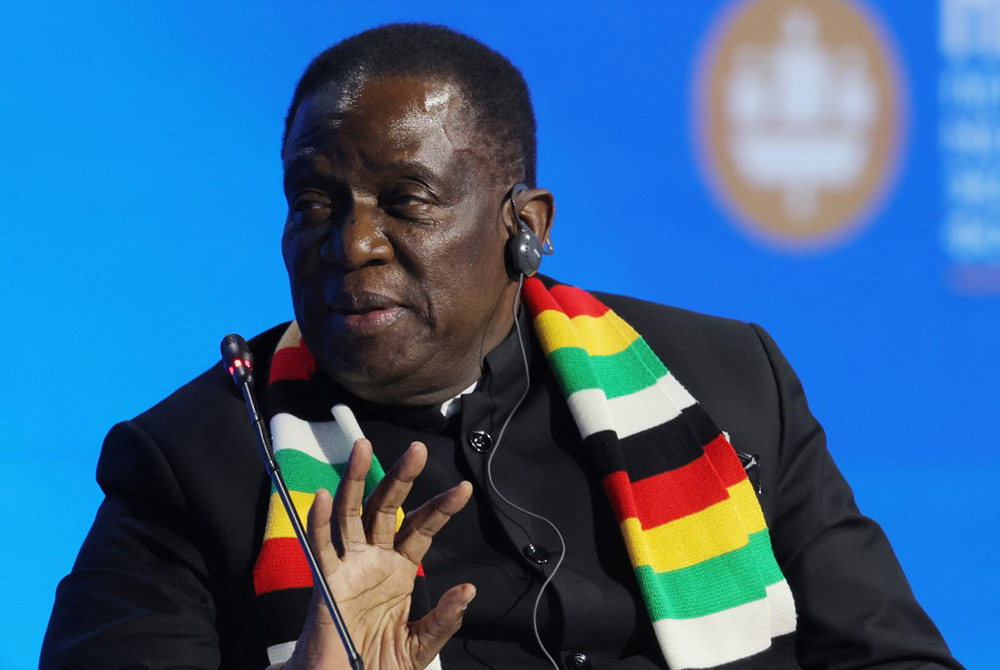
Zimbabwe on Monday began releasing nearly 4,000 prisoners under a Emmerson Mnangagwa-authorized presidential amnesty, part of an effort to ease overcrowding in the country’s prisons.
The cabinet announced the decision in February, coinciding with approval of proposed constitutional changes that could extend President Mnangagwa’s term until 2030. The Clemency Order grants amnesty to specific categories of inmates, excluding those convicted of serious crimes.
“The 2026 amnesty is targeted and merit-based, focusing on vulnerable groups and those who have demonstrated significant progress in their rehabilitation,” said Ziyambi Ziyambi,
Justice Minister of Zimbabwe. He emphasized that the move reflects a commitment to restorative justice and national compassion.
A total of 4,305 prisoners, including 223 women, are set to be released. At Harare Central Prison, inmates were divided into two groups: those remaining in prison uniforms and those who had changed into civilian clothes, waiting to be processed for release.
Among the freed prisoners was 23-year-old Tendai Chitsika, serving a six-month sentence for theft. “It was a learning curve for me. I’m a changed person and I promise to do good out there,” he said, thanking the president for the opportunity.
Women released included Demetria Sichauke, who reflected on skills she had learned during incarceration.
“I learnt a lot during my time here, including making bags and key holders. Now drug dealing is a thing of the past,” she said.
Zimbabwe’s prisons held just over 24,000 inmates in the second quarter of 2025. The amnesty did not include those convicted under the Maintenance of Peace and Order Act, legislation often used against protesters and political opposition.
The presidential clemency comes amid domestic controversy over constitutional amendments that would allow Mnangagwa to extend his term and give parliament the power to select the president, a move critics describe as a constitutional “coup.” The amendments are still awaiting parliamentary approval, where the ruling Zanu-PF holds a majority.