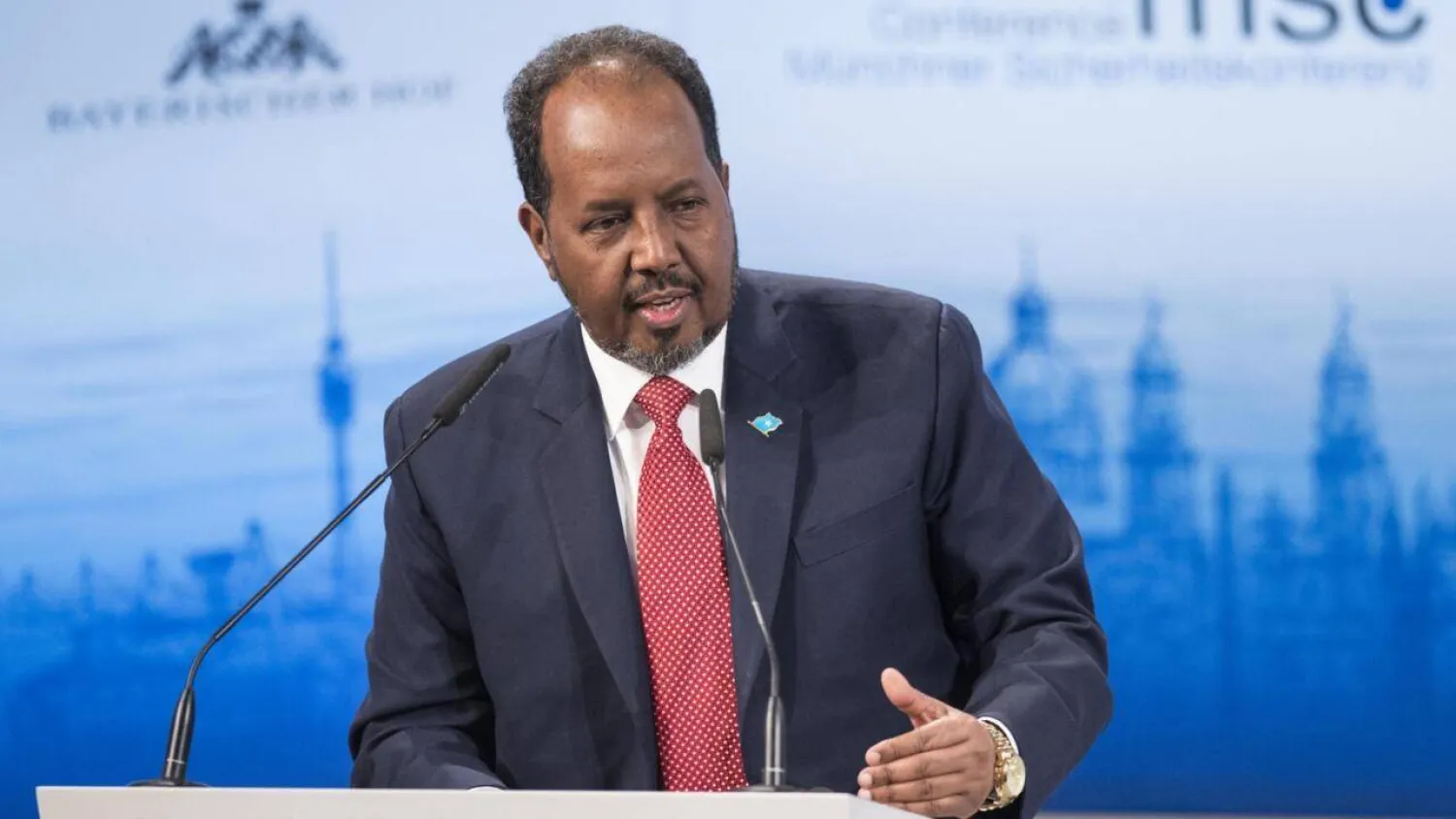
Somalia’s parliament of Somalia has voted to amend the constitution, extending the term of office for both lawmakers and the president, effectively delaying national elections by one year. According to theparliament’s speaker, 222 out of 329 members of the combined parliament and senate approved the change by acclamation.
The move comes as Somalia continues to grapple with decades of instability. Since the fall of autocratic ruler Mohamed Siad Barre in 1991, the country has struggled to maintain a strong central government amid persistent conflict and clan rivalries. While the African Union Mission in Somalia (AMISOM) has pushed back the al Qaeda-linked al Shabaab, the militant group continues to control large rural areas and carries out attacks in major towns and cities.
Under a deal reached last August between President Hassan Sheikh Mohamud and opposition leaders, lawmakers were to be directly elected in 2026, while the president would continue to be chosen by parliament. A 2024 law had restored universal suffrage ahead of the planned vote.
The constitutional amendment extends the terms of both parliamentarians and the president from four to five years. Speaking at a press conference, President Mohamud described the development as historic:
“Today is a historic day for it is the official completion of the constitution which had dragged for a long period.”
However, opposition leaders, including former presidents and prime ministers, have rejected the amendment, insisting that elections proceed as scheduled in May 2026. The political standoff highlights ongoing tensions between Somalia’s government and opposition groups, as the country seeks to balance democratic reforms with long-standing security challenges.
The amendment signals a significant shift in Somalia’s political landscape, with implications for governance, electoral timelines, and efforts to maintain stability in a country still confronting insurgency and civil unrest.