A new report by Amnesty International has documented serious human rights violations in Oromia Region, the most populous region of Ethiopia, accusing insurgent fighters of committing widespread abuses against women and girls between 2020 and 2024.
The report alleges that fighters linked to the Oromo Liberation Army (OLA) carried out acts including summary executions, gang rape, and sexual slavery during the ongoing insurgency in the region.
Allegations of Sexual Violence and Abuse
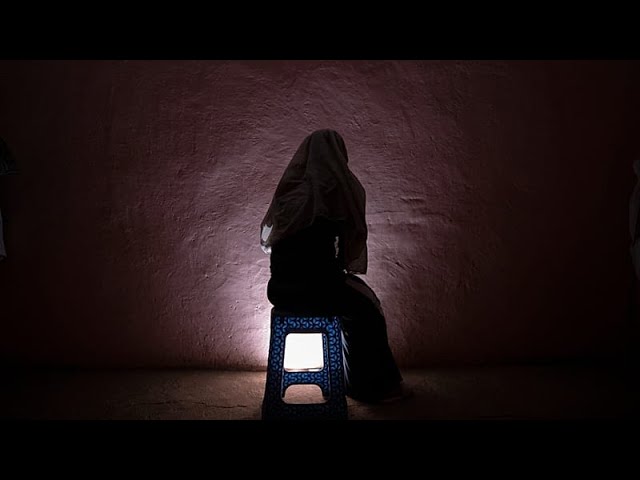
Amnesty International said it interviewed ten survivors of sexual violence across two districts of Oromia as part of its investigation. Among them were seven individuals who were minors at the time of the assaults.
According to the report, nine of the survivors said they had been attacked by OLA fighters, while one victim reported abuse by both an OLA fighter and a soldier from the Ethiopian National Defense Force.
Five of the victims were reportedly held in sexual slavery, while two became pregnant as a result of the abuse they suffered.
The testimonies describe a pattern of prolonged captivity and repeated assaults. One survivor recounted that she and her daughter were detained for weeks and subjected to repeated attacks by armed fighters.
Claims of Retaliatory Violence
Some survivors told investigators they believed the assaults were acts of retaliation because their family members including husbands, fathers, or brothers were associated with government forces.
In one account included in the report, a woman said her husband was killed while attempting to defend her during the attack.
Communication Blackout and Lack of Accountability
Tigere Chagutah, Amnesty International’s Regional Director for East and Southern Africa, said the abuses occurred in conditions that limited international awareness and oversight.
“These acts were partly enabled by a communication blackout that shut out the rest of the world from the sustained atrocities against civilians,” Chagutah said.
He added that the repeated abuses could potentially constitute war crimes and stressed the need for accountability.
Broader Conflict Across Ethiopia
The violence in Oromia is part of a broader pattern of armed conflicts affecting several regions of Ethiopia.
The Oromia insurgency began in 2018 and involves clashes between government forces and the Oromo Liberation Army. The region covers nearly a third of Ethiopia’s territory and is home to approximately 40 million people.
Meanwhile, the Amhara Region, the country’s second most populous region, has experienced ongoing clashes since 2023 between federal troops and local armed groups.
Ethiopia is also still recovering from the devastating conflict in the Tigray Region, which ended in 2022 after two years of fighting. According to the African Union, the war resulted in at least 600,000 deaths and displaced hundreds of thousands of people.
Despite the peace agreement that ended the Tigray conflict, many residents remain displaced, and concerns persist about the possibility of renewed violence.
Calls for Investigation and Justice
Amnesty International has called for independent investigations into the alleged abuses in Oromia and urged authorities to ensure justice for victims.
Human rights organizations say addressing impunity and protecting civilians will be critical to stabilizing Ethiopia as the country continues to face multiple internal conflicts.