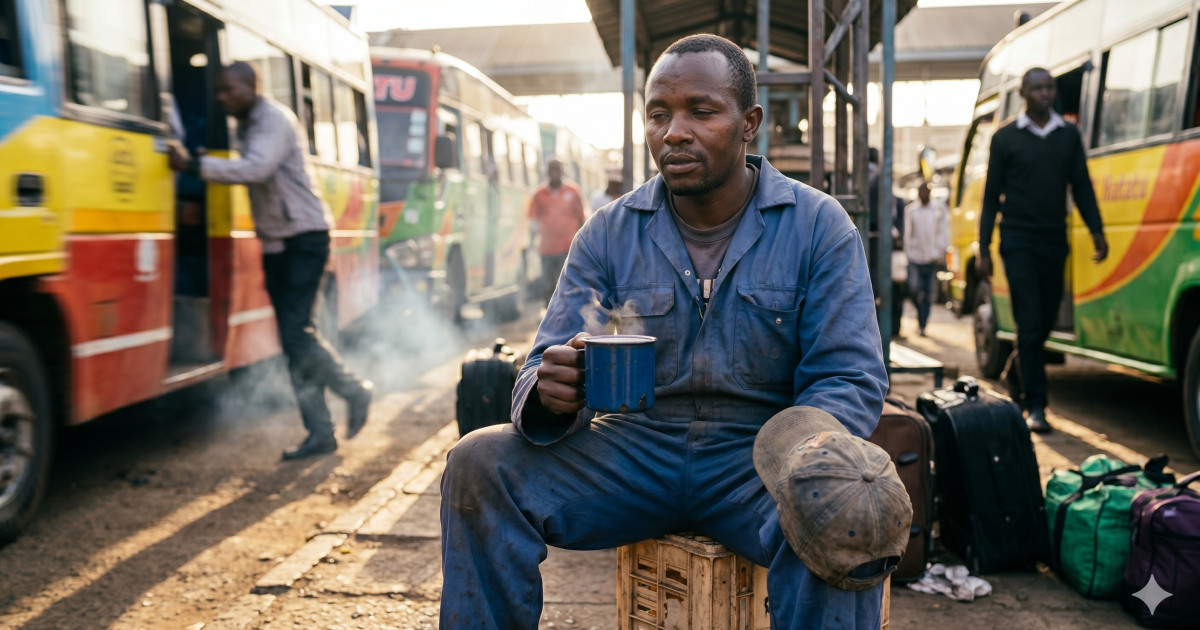
Most Kenyans grew up in a house where a cup of tea meant one thing: black tea, plenty This development has drawn significant attention from observers and stakeholders who are closely monitoring the unfolding situation.
The story surrounding Kenyan herbal teas you should be drinking for fits into a broader pattern of events that has been taking shape over recent months. Analysts note that the latest developments are consistent with trends identified earlier, though the pace and scale of change has surprised many who had anticipated a more gradual progression. Understanding this context is essential to grasping the full significance of what is now taking place.
According to information gathered by K24 Digital and corroborated by multiple independent sources, the key details point to a situation that carries substantial implications. Officials and representatives involved have been called upon to clarify their positions, and early indications suggest that further announcements can be expected in the days ahead. The timeline of events leading up to this point highlights how quickly circumstances can shift when multiple factors converge simultaneously.
“This is precisely the kind of development that reminds us how interconnected our world has become,” noted one senior analyst familiar with the subject matter. “The ramifications are likely to extend well beyond the immediate parties involved, touching on areas that many might not initially anticipate.” Such perspectives underscore the importance of careful and sustained reporting as the story continues to evolve.
From an analytical standpoint, the developments tied to Kenyan herbal teas you should be drinking for reveal several underlying dynamics worth examining in depth. First, the speed at which information has spread suggests that public interest remains exceptionally high. Second, the reactions from various stakeholders indicate that there is no simple or universally agreed-upon interpretation of what these events mean. Third, the situation raises fundamental questions about accountability, governance, and the mechanisms available to address challenges of this nature.
The potential impact of these events is wide-ranging. Communities directly affected are already beginning to feel the consequences, while those at a greater distance remain watchful and concerned. Economic, social, and political dimensions all intersect in ways that make precise prediction difficult, though experts across relevant fields are offering a range of scenarios. Preparations are reportedly underway at various levels to respond to different possible outcomes, reflecting the seriousness with which authorities are treating the matter.
As this story develops, K24 Digital and other leading news organisations will continue to provide updates and in-depth analysis. Readers are encouraged to follow verified sources closely and to approach unconfirmed claims with appropriate caution. Further reporting will seek to shed additional light on the forces at play and the prospects for resolution or escalation in the period ahead.