Africa is losing nearly $200 billion annually due to climate-related destruction, according to recent estimates, as extreme weather events continue to damage infrastructure, disrupt agriculture, and threaten economic stability across the continent. With climate shocks intensifying, attention is turning to the Loss and Damage Fund, established during the COP27, to determine whether it can provide meaningful financial support to vulnerable nations.
The fund was created to help developing countries recover from the devastating impacts of climate change impacts that many African economies are already struggling to absorb. From droughts affecting food production to floods destroying transport infrastructure, climate-related disasters are placing increasing pressure on national budgets.
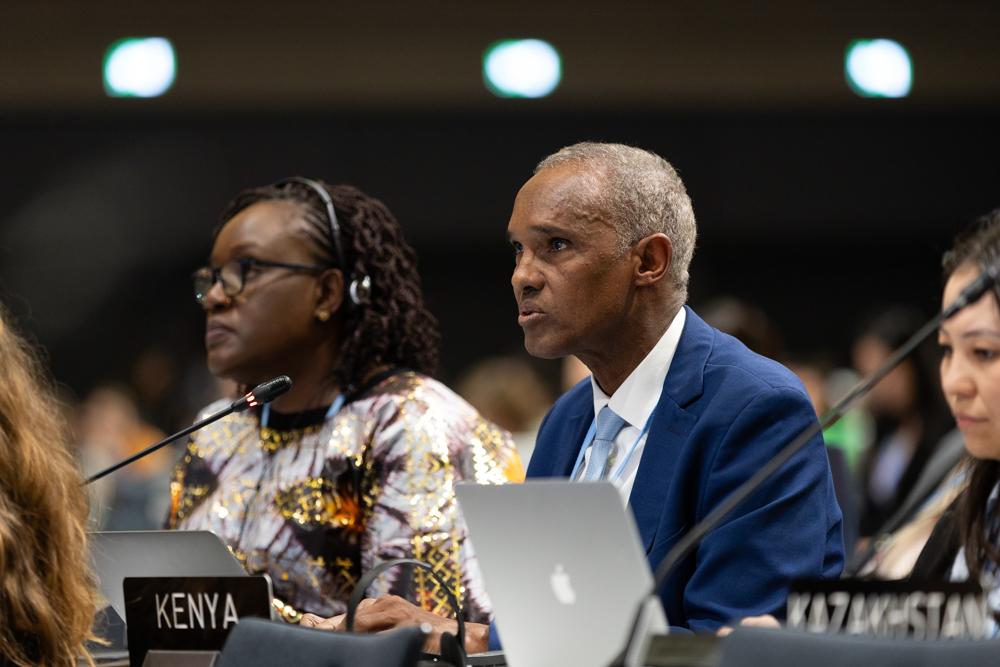
Speaking on Business Africa, Ibrahima Cheikh Diong, Executive Director of the Fund for Responding to Loss and Damage, said progress is being made in establishing the institution, though critical questions remain regarding financing levels and implementation mechanisms.
Africa remains one of the regions most exposed to climate shocks. Severe droughts in the Horn of Africa and repeated flooding across West Africa and Central Africa have destroyed roads, bridges, and crops, weakening economic growth and increasing food insecurity.
A key step in operationalising the fund has been the adoption of the Barbados Implementation Modalities, which outline how the financing mechanism will operate and how countries affected by climate disasters can access assistance.
For African economies already dealing with rising debt burdens and development challenges, the effectiveness of the fund could play a critical role in shaping how governments respond to climate emergencies in the coming years.
Global tensions impact African economies
Climate challenges are not the only pressures facing African markets. Rising geopolitical tensions around the Strait of Hormuz, one of the world’s most important oil transit corridors, have periodically pushed global crude prices higher.
For import-dependent economies such as Ghana and Zambia, increases in global oil prices can quickly translate into higher fuel costs, rising transportation fares, and more expensive food in local markets.
Because fuel prices influence logistics and supply chains, spikes in international oil markets often ripple across economies, raising the cost of essential goods for consumers.
Namibia moves to formalise informal sector
At the same time, structural economic reforms are underway in parts of the continent. Namibia is preparing to formalise its large informal sector starting in 2026.
The sector employs more than half of the country’s workforce and contributes significantly to economic activity. However, many workers currently operate outside the formal tax system and lack access to social protection programs.
The government hopes the reform will expand tax revenues while improving access to financial services and social safety nets for informal workers. Yet the transition could also present challenges.
For small traders and entrepreneurs, entering the formal economy may involve new regulatory requirements, taxes, and compliance costs, raising concerns about how reforms will affect livelihoods.
As African governments confront climate pressures, volatile global markets, and domestic economic reforms, policymakers face increasing pressure to balance economic resilience, sustainable growth, and social protection across the continent.