
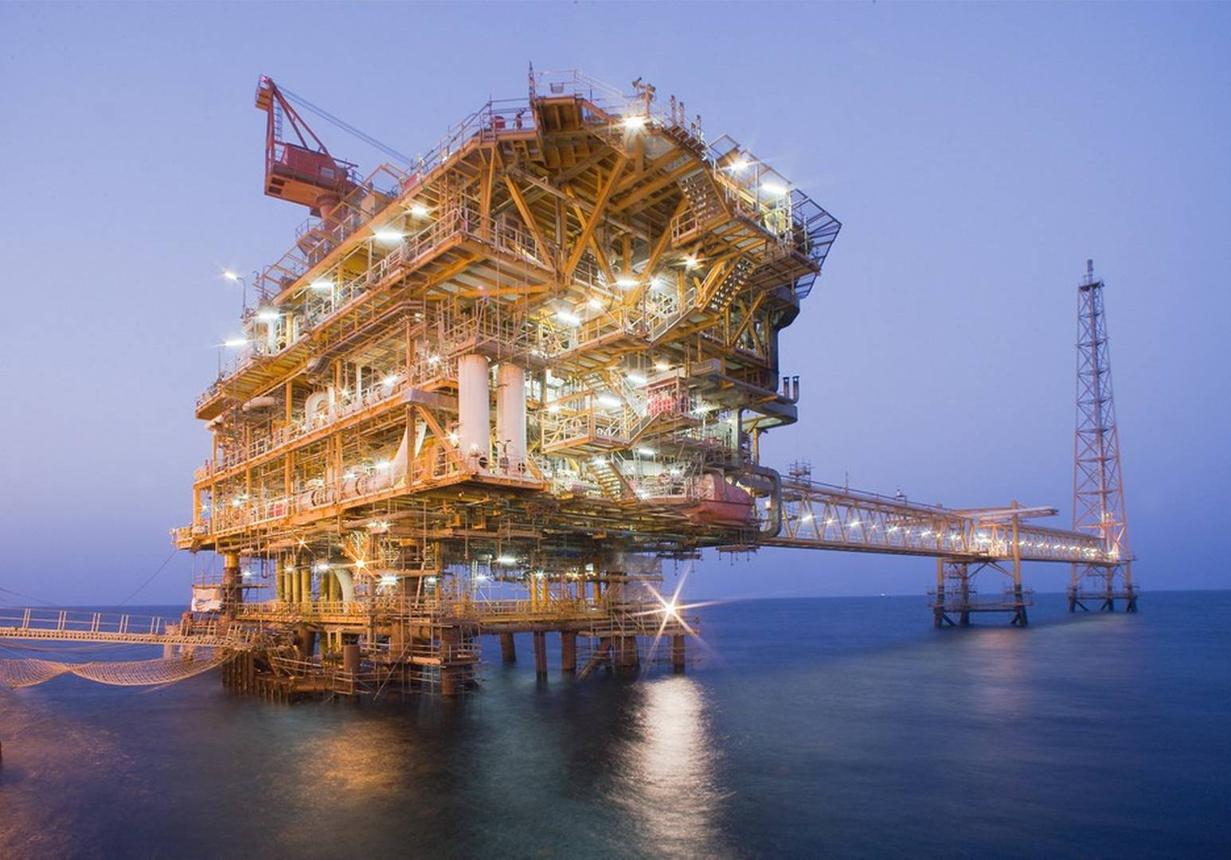
Qatar’s main gas facility has suffered extensive damage following multiple rounds of Iranian strikes, intensifying concerns over global energy supplies as the ongoing Middle East conflict escalates.
The attacks form part of a broader pattern of strikes on critical oil and gas infrastructure across the region, raising fears of prolonged disruption to global energy markets.
Ras Laffan LNG Hub Severely Damaged
The Ras Laffan Industrial City in Qatar, the world’s largest liquefied natural gas (LNG) hub, has been repeatedly targeted since the conflict began.
State-owned QatarEnergy reported “extensive damage” after successive strikes, with sizeable fires breaking out across multiple LNG facilities. Earlier attacks had already damaged a gas-to-liquids plant.
The hub is central to Qatar’s energy dominance, processing gas from the North Field part of the world’s largest natural gas reserve shared with Iran. The country supplies LNG globally through long-term agreements with major international firms.
Production had already been halted earlier in March under force majeure conditions following initial attacks.
South Pars Gas Field Also Targeted
Iran’s South Pars Gas Field, which it shares with Qatar, has also come under attack. The massive field supplies roughly 70 percent of Iran’s domestic natural gas.
Strikes triggered fires at the facility, according to Iranian state media. The incident drew concern from Gulf nations, including Qatar and the United Arab Emirates, which have also seen their energy infrastructure targeted.
Former US President Donald Trump said Israel was responsible for the strike, while warning of severe retaliation should Iran continue its attacks on regional energy assets.
Oil Export and Refining Hubs Under Pressure
Other major facilities affected include:
- Kharg Island (Iran): Handles about 90 percent of Iran’s crude oil exports. Despite being hit in US strikes, officials say exports continue.
- Ruwais Refinery (UAE): Operations were halted as a precaution following a drone attack near the complex operated by Abu Dhabi National Oil Company (ADNOC).
- Ras Tanura Refinery (Saudi Arabia): One of the region’s largest refineries, briefly shut down after drone strikes but has reportedly resumed operations.
The escalating attacks have also affected shipping through the Strait of Hormuz, a critical chokepoint for global oil and gas transit. Iran has threatened to block exports through the route, targeting vessels and disrupting supply chains.
Global Energy Markets React
The cumulative impact of the strikes has led to a sharp decline in Gulf oil output, dropping from approximately 30 million barrels per day last year to around 20 million currently, according to industry estimates.
Oil prices have surged in response, with Brent crude rising more than five percent and briefly exceeding $112 per barrel.
Industry leaders, including executives at Saudi Aramco, have warned that continued escalation could have “catastrophic consequences” for global energy markets.
Outlook
The sustained targeting of strategic energy infrastructure underscores the vulnerability of global supply chains to geopolitical conflict. With key facilities damaged and maritime routes under threat, analysts warn that prolonged instability in the region could trigger further price volatility and energy shortages worldwide.

