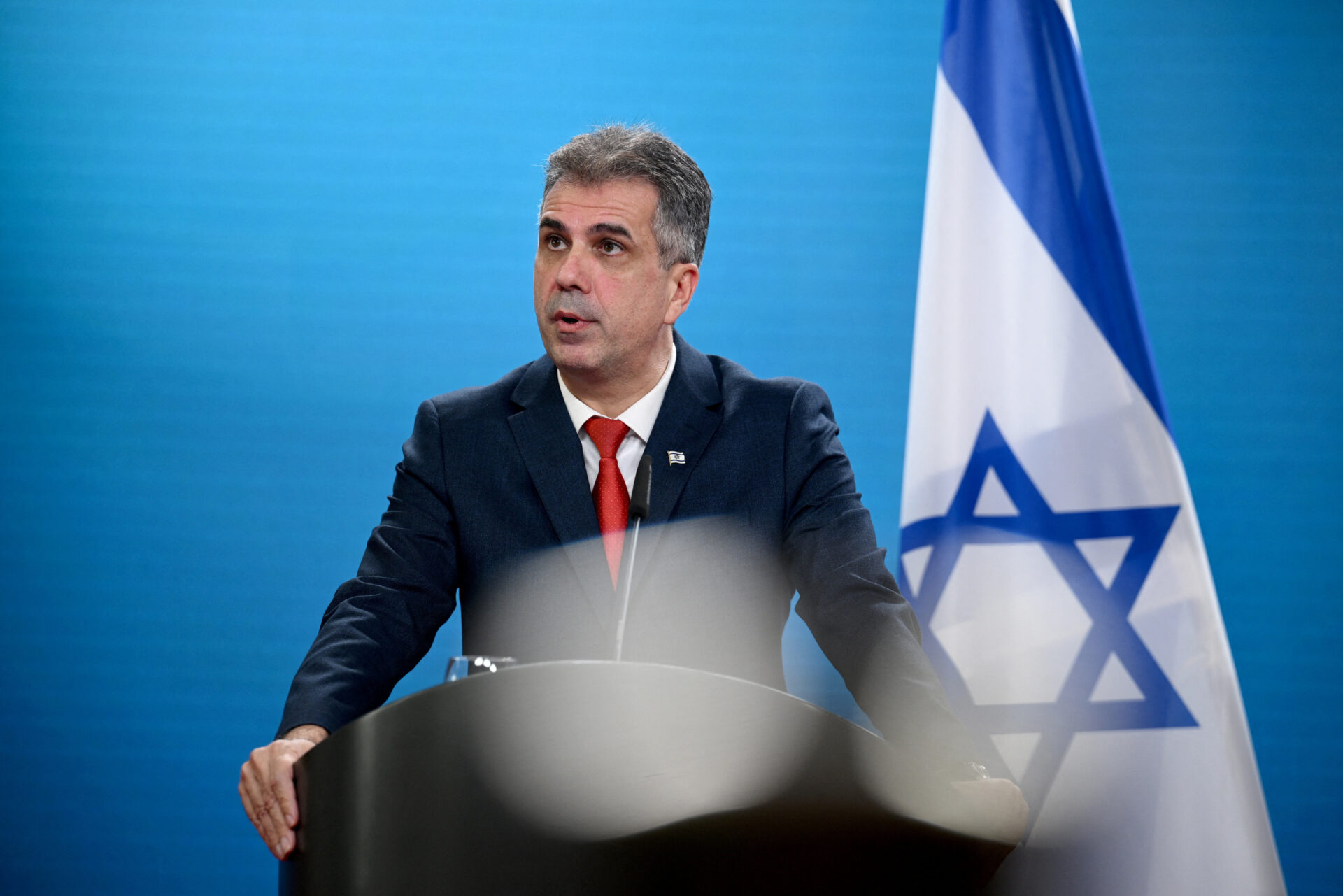
Israel’s Foreign Minister, Gideon Saar, arrived in Somaliland on Tuesday, marking the first high-profile visit by an Israeli official since the country formally recognized the self-declared republic in the Horn of Africa.
The Somaliland presidency confirmed the arrival, stating that Saar and his delegation were welcomed at Hargeisa airport by senior government officials and held meetings with top Somaliland leaders.
Israel’s recognition of Somaliland, announced last month, is a landmark for the region, which declared independence from Somalia in 1991 but has long sought international recognition. Somaliland operates with its own currency, passport, and armed forces, and its strategic location on the Gulf of Aden has attracted international attention.
The move has drawn criticism from several African and Muslim-majority nations, which described it as a violation of Somali sovereignty. The European Union also emphasized the need to respect Somalia’s territorial integrity. Somali President Hassan Sheikh Mohamud condemned the recognition as a “threat” to stability in the Horn of Africa.
In an interview with Al Jazeera, Mohamud claimed that Somaliland had accepted three conditions from Israel: the resettlement of Palestinians, establishment of a military base on the Gulf of Aden, and joining the Abraham Accords. Somaliland’s foreign ministry has denied the first two conditions.
Analysts note that Israel’s engagement with Somaliland could provide strategic access to the Red Sea and support regional security objectives, including monitoring Houthi activity in Yemen. The region’s location along one of the world’s busiest shipping lanes underscores its growing geopolitical significance for foreign partners.
Despite diplomatic isolation since its unilateral declaration of independence, Somaliland has maintained relative stability compared with Somalia, where the Islamist militant group Al-Shabaab continues to carry out attacks, particularly in the capital, Mogadishu.
Saar’s visit signals a deepening of ties between Israel and Somaliland, highlighting the breakaway region’s emerging role in regional geopolitics and international maritime security.