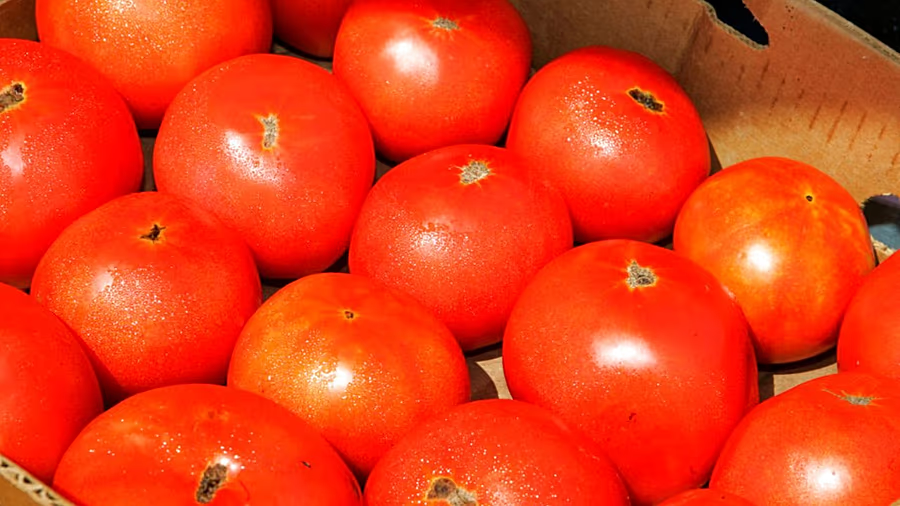
Burkina Faso’s recent decision to ban the export of fresh tomatoes is drawing attention across West Africa, as traders and consumers monitor potential impacts on supply and prices. The measure, announced in mid-March, is designed to support the country’s local tomato processing industry by keeping more produce within its borders.
Ghana, a major importer of Burkina Faso tomatoes, is closely watching developments. Traders in northern Ghana depend on cross-border shipments, especially during periods of low local production. While it is too early to gauge the full effect, concerns have emerged that disruptions could affect market availability in the coming days or weeks.
Other neighboring countries including Côte d’Ivoire, Togo, and Benin also rely on Burkina Faso for fresh tomatoes through formal and informal trade channels. These cross-border flows are critical for urban markets and small-scale traders, though informal trade may delay any reflection of the ban in official statistics.
Burkina Faso’s authorities say the export restrictions are part of a broader strategy to strengthen domestic industries, directing more tomatoes into local processing plants that produce products like tomato paste. The move aligns with a wider trend in Africa to reduce exports of raw agricultural products while promoting value addition locally.
The regional impact of the policy remains uncertain. Neighboring countries may need to adjust sourcing strategies or rely more on domestic production. Observers say market responses will become clearer over the coming weeks as the effects of the ban unfold.