Moscow – Russia is earning nearly $588 million per day from fossil fuel exports in March, marking a 17 percent increase compared to February, as disruptions in Gulf oil supplies drive global prices higher, according to a new analysis.
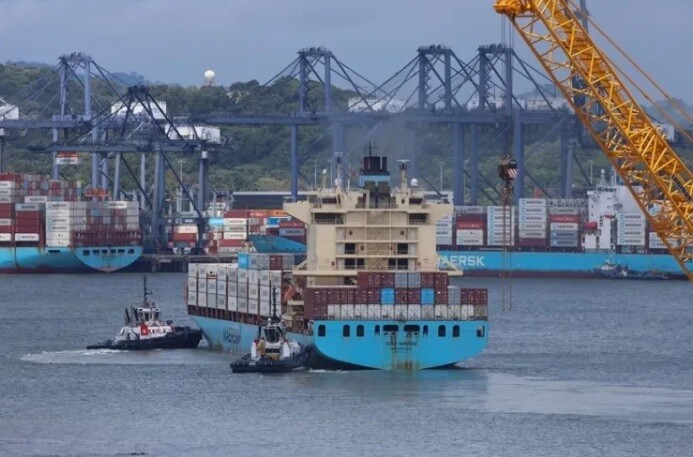
The surge comes amid ongoing tensions in the Middle East, where strikes attributed to Iran have targeted shipping around the Strait of Hormuz, one of the world’s key oil transit routes. Brent crude prices have spiked above $100 per barrel as markets react to the instability.
“Russia has stepped in to supply oil and gas to global markets at increasing prices,” said Isaac Levi of the Centre for Research on Energy and Clean Air. “The longer the crisis goes on, the more it benefits Russia providing money for drones, weapons, and recruitment.”
Global Buyers
The analysis shows that China, Turkey, and India now account for 90 percent of Russia’s crude oil purchases, while European nations continue to import significant volumes of Russian gas via pipelines and liquefied natural gas (LNG) shipments.
The geopolitical tension has positioned Russia as a key supplier amid shortages and soaring prices, boosting its revenues even as Western nations debate sanctions and energy diversification.
Economic and Human Impact
The Pentagon estimates that the first week of the ongoing Iran conflict cost the United States $11.3 billion, while displacement figures have mounted, with 3.2 million Iranians and 800,000 Lebanese affected so far.
Analysts warn that the combination of geopolitical instability and energy market shifts could continue to reshape global supply chains, giving Russia a strategic financial advantage while deepening the humanitarian crisis in the Middle East.