Bulldozers continue to reshape Dakar as the city accelerates preparations for the 2026 Summer Youth Olympics, now just seven months away. The event will mark the first time a global Olympic competition of this scale is held on African soil.
Construction Push Under Pressure
The Senegalese capital has effectively become a vast construction zone, with multiple venues undergoing upgrades and final development. During a media tour on Friday, officials highlighted progress at key sites, including the Tour de l’Oeuf multisport complex, where swimming facilities are being renovated.
Ibrahima Wade, coordinator of the organising committee, acknowledged the pressure but expressed confidence:
“We are truly on a very good trajectory. It’s pressure, a lot of pressure, but we know the objective is worth it.”
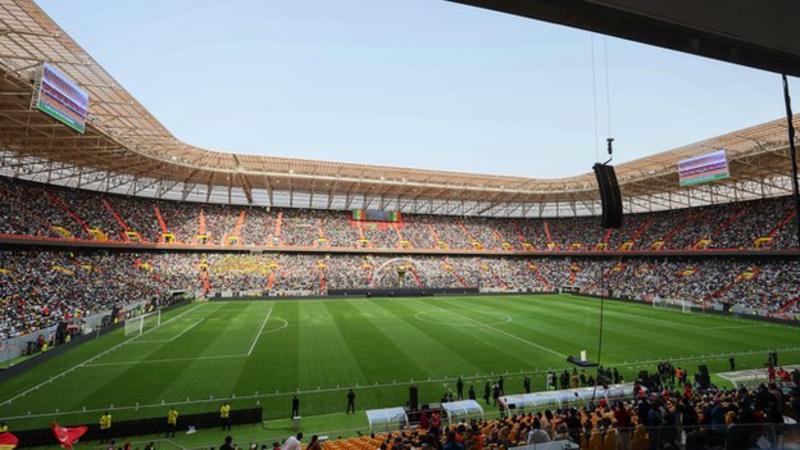
Other projects include enhancements to the equestrian centre, while the Abdoulaye Wade Stadium a 50,000-seat venue has already emerged as a flagship site and is set to host the opening ceremony.
Focus on Upgrading Existing Infrastructure
Organisers have emphasised a strategy of renovating and upgrading existing facilities rather than building entirely new venues.
Thierno Cissé, deputy director of operations, said the approach reflects a broader ambition:
“It’s important to show that Senegal is capable of using existing facilities. There was no need to start new construction projects for each competition venue.”
This model is being closely watched as a potential blueprint for future African hosts of major sporting events.
Continental Stakes and Legacy
The success of Dakar 2026 carries significance beyond Senegal. The International Olympic Committee views the Games as a test case for Africa’s readiness to host larger Olympic events in the future, potentially as early as 2040.
Humphrey Kayange, chair of the Dakar 2026 Coordination Commission, highlighted the long-term impact:
“Successful delivery will leave a strong legacy athletes inspired to reach the Olympic level and young professionals gaining skills to host global events on the continent.”
Countdown to Opening Ceremony
Despite visible progress, uncertainty remains over timelines and public engagement. With the opening ceremony scheduled for 31 October 2026, preparations have entered a critical phase.
As construction crews continue their work across Dakar, the city faces an intense race against time to deliver a historic event that could redefine Africa’s place on the global sporting stage.