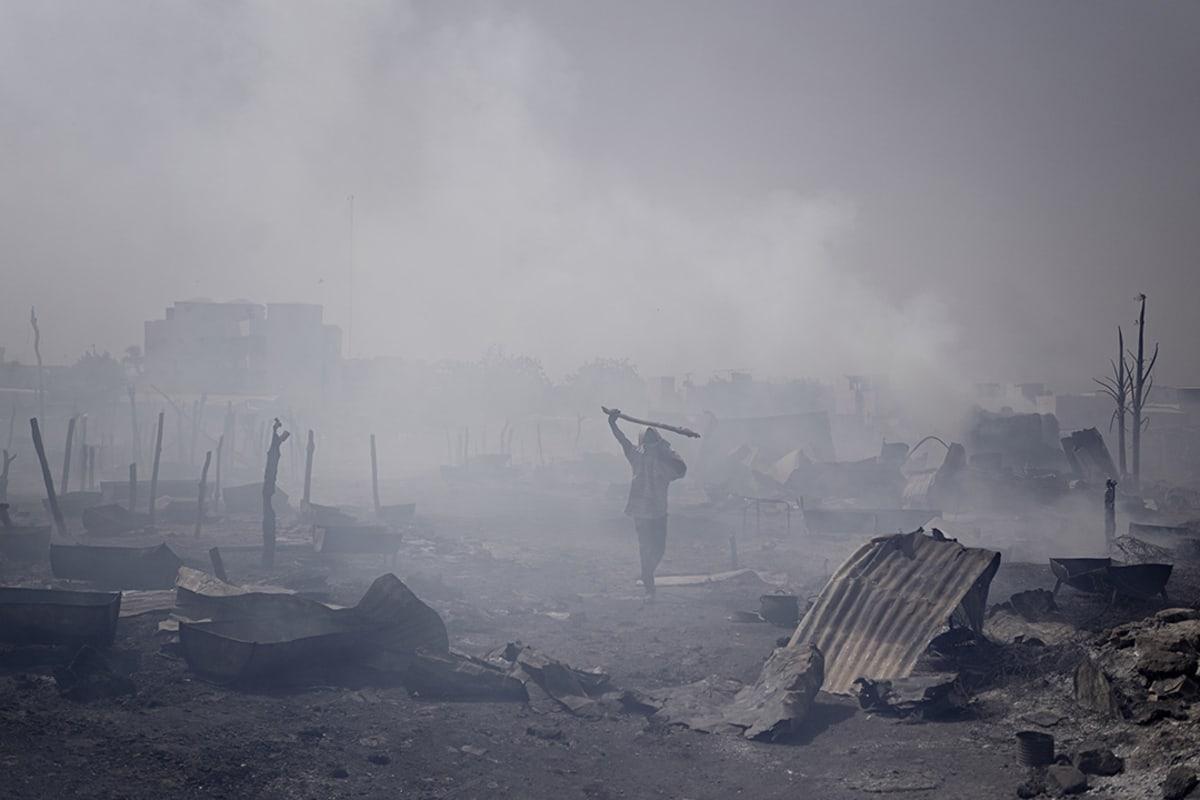
Sahel Region – The 2026 Global Terrorism Index presents a mixed outlook for the Sahel, pointing to a measurable decline in attacks and fatalities in 2025 while warning that the region remains the world’s most affected by extremist violence.
Countries including Burkina Faso, Mali, and Niger recorded fewer terrorism-related incidents compared to previous years—a notable shift for a region long regarded as the global epicenter of jihadist activity.
“The decline in attacks offers cautious optimism, but it does not signal the end of the threat,” a regional security analyst said.
Persistent Threat Despite Decline
The Sahel has faced years of insurgency driven by extremist groups such as Jama’at Nasr al-Islam wal Muslimin (JNIM) and factions linked to the Islamic State, which have exploited weak governance, porous borders, and entrenched poverty to expand their influence.
Despite the recent improvements, the report highlights that the region still accounts for more than half of all terrorism-related deaths globally, underscoring the scale and concentration of violence.
“The Sahel remains the centre of gravity for global terrorism, even as overall numbers show a slight decline,” the report notes.
Regional Cooperation and Ongoing Challenges
Leaders in the region, including Assimi Goïta of Mali, have increasingly emphasized military cooperation to combat cross-border threats and disrupt militant networks.
“Stronger regional coordination is essential to address the mobility and adaptability of armed groups,” a policy expert said.
However, significant structural challenges remain. Limited state presence in rural areas, fragile economies, and political instability continue to create conditions conducive to militant recruitment.
“As long as governance gaps and economic hardship persist, armed groups will continue to find opportunities to recruit and operate,” analysts warn.
A Fragile Path Forward
While the reduction in attacks offers a degree of progress, experts caution against over-optimism. The Sahel’s security landscape remains volatile, and gains could be reversed without sustained intervention and long-term development strategies.
“This is progress, but it is fragile progress,” a counterterrorism specialist said.
The findings reinforce a broader reality: the fight against extremism in the Sahel is ongoing, and meaningful stability will depend not only on military action but also on addressing the underlying social and economic drivers of conflict.