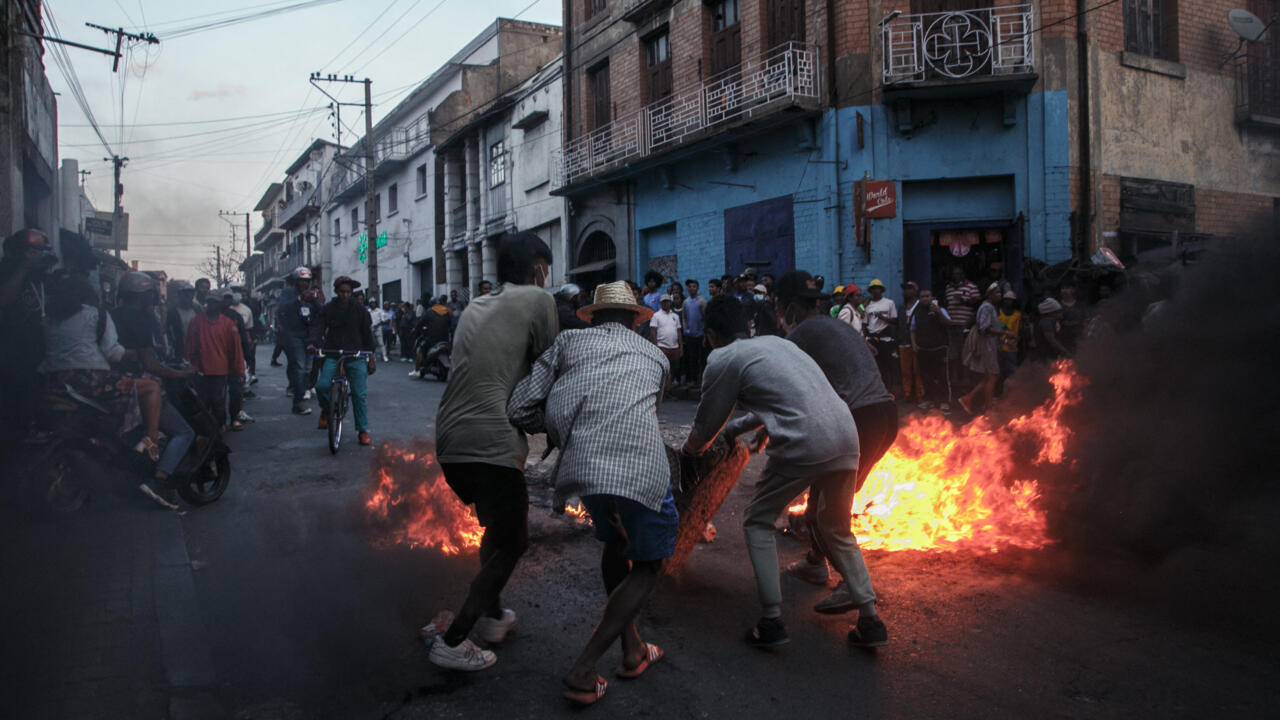
Madagascar is witnessing its most significant wave of demonstrations in over a decade, with thousands taking to the streets across the country demanding change. What began as frustration over chronic shortages of power and water has escalated into a full-blown political crisis, directly challenging President Andry Rajoelina’s leadership.
The unrest, which started in late September, has already left at least 22 people dead and more than 100 injured, according to UN figures. The government has disputed these numbers, calling them “rumours,” but the images of heavy security crackdowns, tear gas, and water cannons tell a different story.
From Power Outages to Political Demands
Protests were initially sparked by the arrest of two city politicians planning a peaceful march against daily blackouts and water shortages. Their detention triggered widespread outrage, amplified by Gen Z Mada, a youth-led online movement that quickly gained traction through platforms like TikTok and Facebook.
Civil society groups, labour unions, and opposition leaders—including former President Marc Ravalomanana and opposition figure Siteny Randrianasoloniaiko—have since joined the movement. Protesters accuse the state-owned utility company, Jirama, of corruption and mismanagement, blaming the government for failing to secure basic rights.
Escalating Demands
What started as a fight over essential services has grown into calls for deep political reform. Demonstrators now demand:
- President Rajoelina’s resignation
- Accountability for those killed during the protests
- A purge of the National Assembly
- Dissolution of the election commission and the top court
Waving banners with “Rajoelina Out,” protesters insist the government has lost legitimacy.
Government Response
On September 29, President Rajoelina sacked his government, accusing ministers of underperformance, and promised World Bank-backed projects to tackle electricity shortages. He also pledged compensation for looted businesses and dialogue with young people. But these moves have failed to quell anger, with many viewing them as too little, too late.
A dusk-to-dawn curfew has been imposed in Antananarivo, schools have been shut down, and security forces remain heavily deployed in major cities. Calls for church-mediated talks have emerged as civil society warns of a slide into chaos.
A Nation at a Crossroads
With protests spreading to at least eight cities, Madagascar now faces its gravest political test in 15 years. At its heart lies a generation demanding dignity, accountability, and a future beyond rolling blackouts and political stagnation.
The coming weeks will reveal whether dialogue, repression, or deeper unrest defines the next chapter of the island nation’s story.