
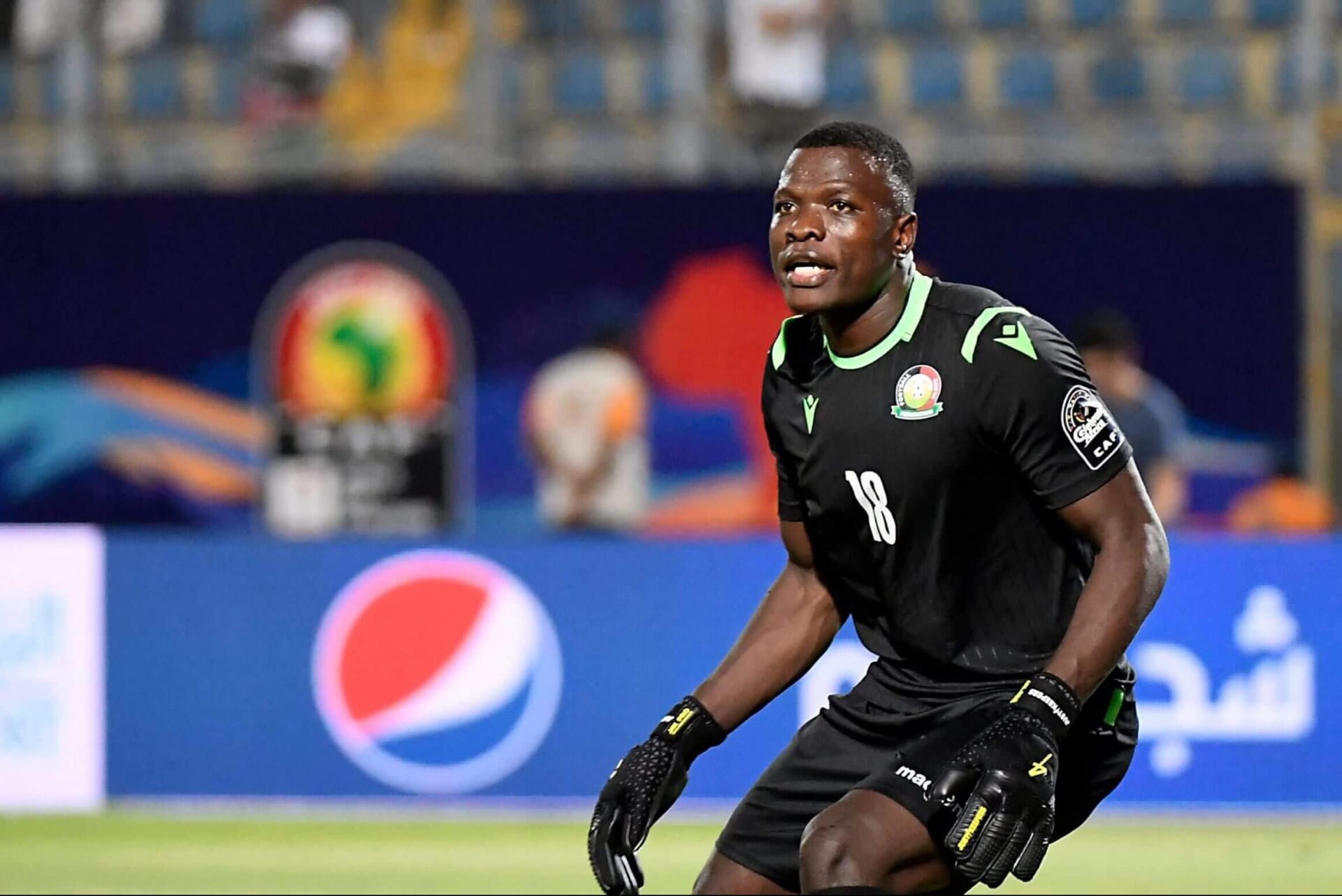
The High Court in Kakamega has dismissed a petition filed by former Harambee Stars goalkeeper Patrick Matasi, effectively granting the Football Kenya Federation (FKF) the green light to proceed with disciplinary action against him over alleged match-fixing.
The ruling is a major boost for FKF’s ongoing campaign against match manipulation, with the court affirming that the federation acted within its powers under the FKF Anti–Match Manipulation Regulations.
Matasi had moved to court in April 2025, securing temporary orders that stopped FKF from enforcing a 90-day suspension imposed in March. The suspension followed the circulation of a viral video allegedly showing the Kakamega Homeboyz goalkeeper inside a car discussing plans to influence the result of a domestic league match.
However, in its latest ruling, the court found merit in FKF’s arguments and ruled that there were no sufficient grounds to sustain Matasi’s petition. The federation was represented by Ochutsi Munyendo and Company Advocates.
The case attracted widespread attention in Kenya’s football community due to both the seriousness of match-fixing allegations and Matasi’s high profile as a national team player. FKF, in collaboration with FIFA and the Confederation of African Football (CAF), had launched a joint investigation into the matter shortly after the video surfaced.
Matasi has consistently denied any involvement, insisting that the person in the viral video was not him. His club, Kakamega Homeboyz, also stood by him, urging FKF to ensure fair and transparent proceedings.
The controversy comes amid a challenging period for the veteran goalkeeper, who had already faced criticism for errors in Kenya’s 4–1 loss to Cameroon during the 2025 Africa Cup of Nations qualifiers.
Although an earlier court order had temporarily lifted his suspension, FKF maintained that Matasi could not return to competitive play pending the outcome of internal investigations.
The High Court’s decision now allows FKF to conclude the disciplinary process, a move that is likely to set a legal and administrative precedent for how future disputes between players and the football governing body are resolved.

