
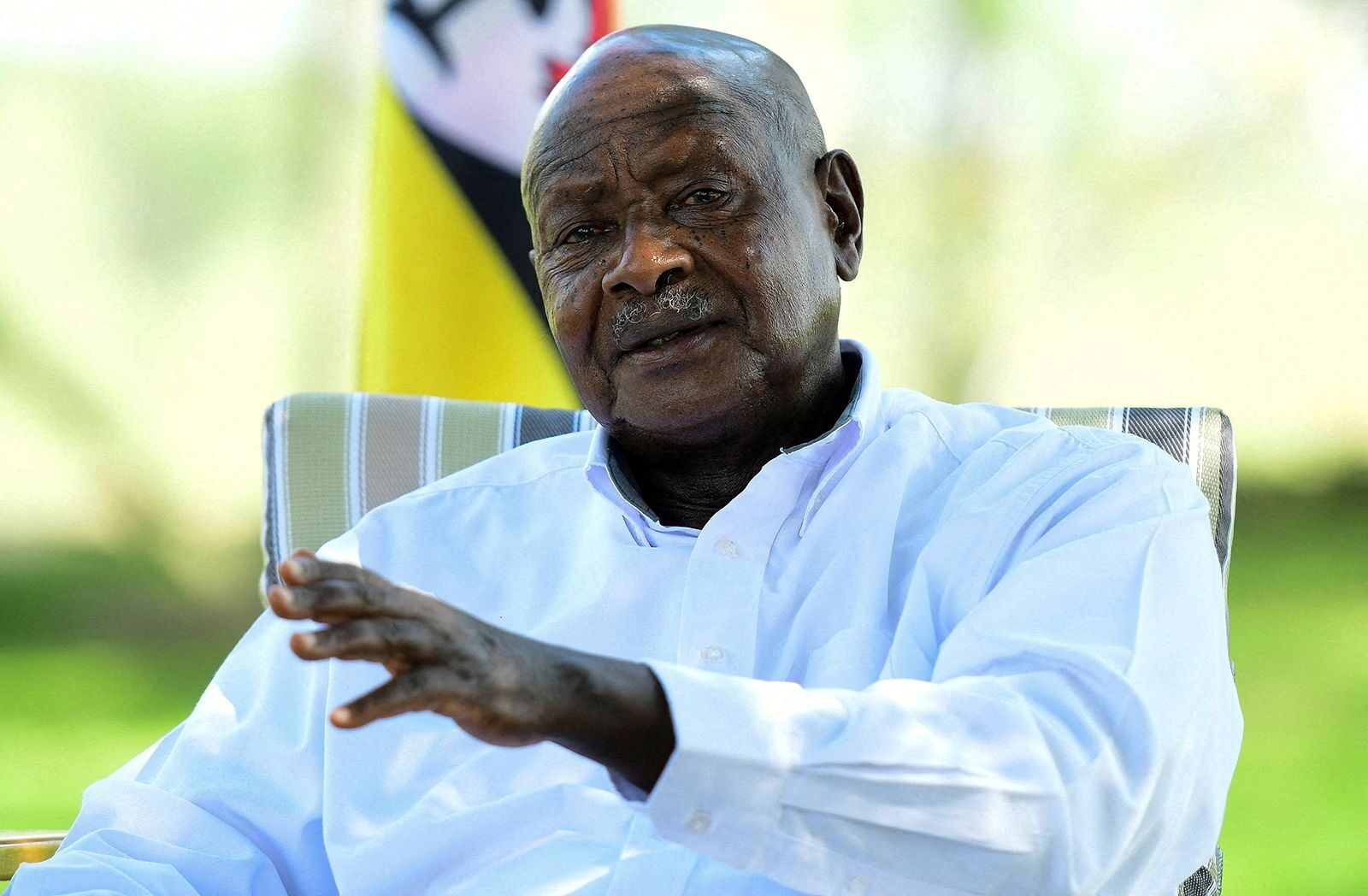
Amnesty International has called on the World Bank to use the resumption of financial support to Uganda as an opportunity to pressure the government into repealing its controversial Anti-Homosexuality Act, one of the harshest anti-LGBTQ laws in the world.
The World Bank halted new funding to Uganda in May 2023 after President Yoweri Museveni signed the law, which imposes severe penalties for same-sex relationships and “promoting” homosexuality — including the death penalty in certain cases. At the time, the bank said all projects it financed must align with its non-discrimination principles.
However, Uganda’s finance ministry announced this week that the country will now receive $2 billion in World Bank funding over the next three fiscal years — marking the first major disbursement since the freeze. The World Bank has not issued an official statement on the matter.
Roland Ebole, Amnesty International’s researcher for Uganda and Tanzania, told AFP that while the organisation does not advocate for aid conditions, the renewed engagement presents a crucial moment for reform.
“Now that they are reinstating the funding, can they also push for discriminatory practices to be stopped?” Ebole said, adding that the World Bank has the influence to ensure that no government policies or programmes marginalise the LGBTQI+ community.
The UK-based advocacy group Open for Business, which campaigns for diversity and inclusion, criticised the World Bank’s move, saying it contradicts appeals from civil society.
The group estimates that Uganda’s anti-gay law has cost the country between $586 million and $2.4 billion annually in lost investment and halted aid.
Earlier this year, the World Bank indicated that it would resume lending to Uganda, stating that it “cannot deliver on its mission to end poverty and boost shared prosperity unless all people can participate in, and benefit from, the projects we finance.”
The reinstatement of funding has reignited debate over the balance between economic development and human rights advocacy, with rights groups urging the World Bank to leverage its financial influence to encourage inclusive governance in Uganda.

