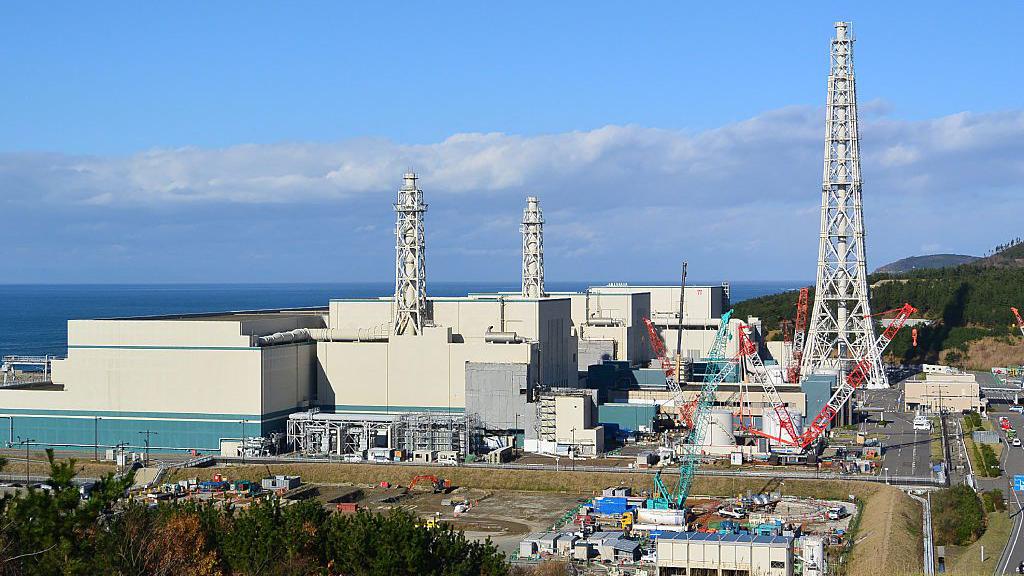
Niigata, Japan – Japan has restarted operations at the Kashiwazaki-Kariwa nuclear power plant, the world’s largest facility of its kind, after a minor glitch delayed its initial relaunch attempt in January.
The Tokyo Electric Power Company (TEPCO) confirmed that the plant resumed operations at 2:00 pm (0500 GMT) on Monday, February 9, 2026.
Background
The Kashiwazaki-Kariwa plant, located in Niigata Prefecture, had been offline since the 2011 Fukushima disaster, when a massive earthquake and tsunami triggered meltdowns at three reactors. Following the catastrophe, Japan suspended nearly all nuclear power operations.
Now, with growing energy demands and a national pledge to achieve carbon neutrality by 2050, Japan is turning back to nuclear energy as part of its long-term strategy to reduce reliance on fossil fuels.
January Glitch
TEPCO initially attempted to restart one of the plant’s seven reactors on January 21, 2026, but shut it down the following day after an alarm detected slight changes in electrical current in one cable. Officials later clarified that the readings were within safe limits, and the alarm’s sensitivity settings have since been adjusted.
“The reactor is safe to operate,” TEPCO officials said, noting that commercial operations are expected to begin on or after March 18, 2026, following a comprehensive inspection.
Political Context
The restart comes just a day after Prime Minister Sanae Takaichi’s decisive election victory. Takaichi has strongly promoted nuclear power as a cornerstone of Japan’s energy policy, arguing that it is essential to energize the country’s economy and meet rising demand, particularly from energy-intensive technologies such as artificial intelligence.
Looking Ahead
The Kashiwazaki-Kariwa plant’s restart marks a significant milestone in Japan’s nuclear energy revival. With seven reactors on site, the facility is expected to play a central role in balancing Japan’s energy needs, environmental commitments, and economic ambitions.