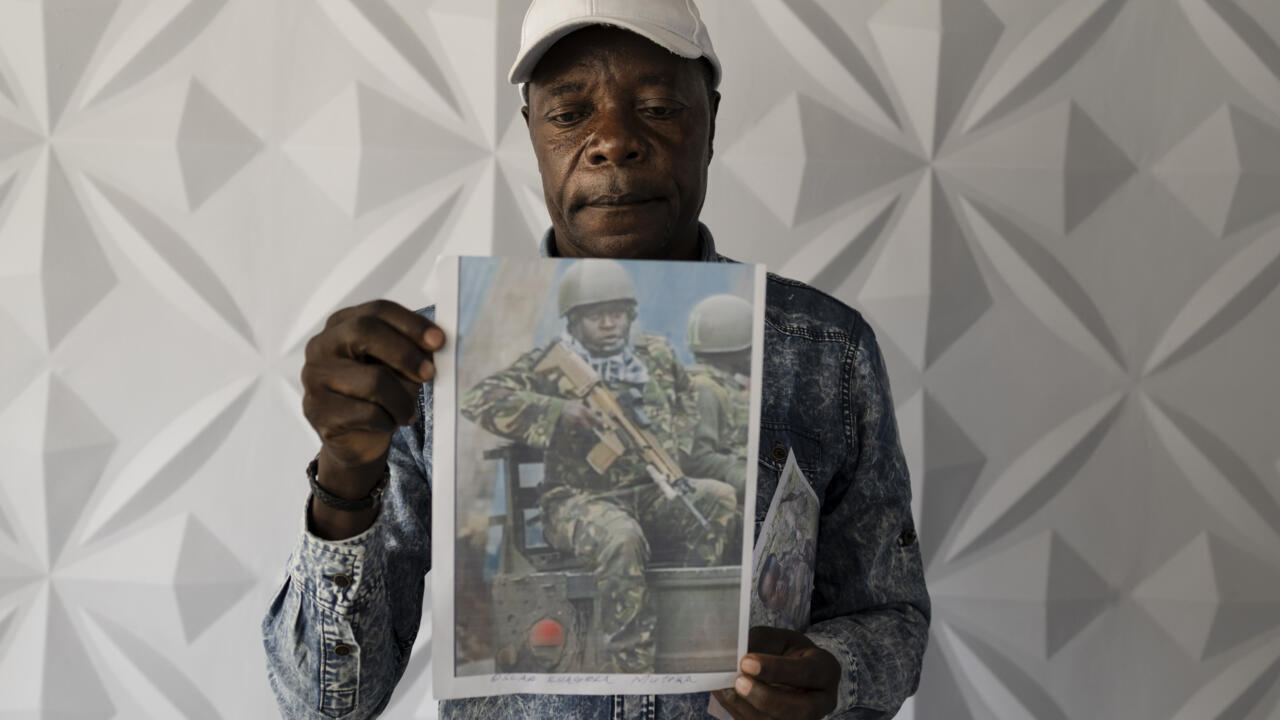
Nairobi, Kenya – The scars on Victor’s forearm are a permanent reminder of the day a Ukrainian drone struck him after he was forcibly conscripted into the Russian army. Like hundreds of young Kenyans, Victor was lured into a war that had nothing to do with him, and one he was lucky to survive.
Victor, along with three other men Mark, Erik, and Moses recounted to AFP how promises of lucrative jobs in Russia turned into a nightmare of coercion, deception, and combat. Their names have been changed for fear of reprisals.
False Promises of Opportunity
The ordeal began with enticing offers from a Nairobi-based recruitment agency, Global Face Human Resources, which advertised well-paying jobs abroad.
- Victor, 28, was promised a sales position.
- Mark, 32, and Moses, 27, were told they would become security guards.
- Erik, 37, believed he was heading to Russia for a professional sports career.
Instead, they were added to WhatsApp groups where fellow Kenyans reassured them in Swahili about “exciting opportunities” and high salaries ranging from $1,000 to $3,000 a month.
But upon arrival, Victor’s first day was spent in an abandoned house outside Saint Petersburg. The next day, he was taken to a military base and forced to sign a contract in Russian under threat of death.
“They told us: ‘If you don’t sign, you’re dead,’” Victor said, showing his Russian military service record and combat medallion.
Coercion and Exploitation
The recruits described harrowing experiences:
- Victor met fellow Kenyans in a military hospital, many missing limbs after combat.
- Mark said recruits were offered the chance to buy their way home for $4,000, an impossible sum.
- Erik signed what he thought was a basketball contract, only to find himself in an army camp the next day.
- Victor and Erik said they received no pay, while Mark and Moses reported meager wages for a year of service.
The Recruitment Agency Under Scrutiny
Global Face Human Resources, which marketed itself with the slogan “Let our HR wizards connect you to exciting opportunities”, has since come under investigation.
One of its employees, Edward Gituku, is facing prosecution for human trafficking after police rescued 21 young men about to fly to Russia during a raid in September 2025. Gituku denies the charges.
Kenyan authorities estimate around 200 citizens were sent to fight in Ukraine, with 23 repatriated. However, the four men insist the true number is much higher.
International Dimensions
The case has drawn in foreign actors:
- Russian national Mikhail Lyapin, implicated in the recruitment scheme, was expelled from Kenya to face trial in Russia.
- The Russian embassy in Nairobi denied Lyapin’s ties to government bodies.
Meanwhile, clinics in Nairobi confirmed conducting medical examinations for hundreds of potential recruits, many of them former Kenyan soldiers.
Conclusion
The testimonies of Victor, Mark, Erik, and Moses expose the dark underbelly of recruitment scams that exploit economic desperation and channel unsuspecting Kenyans into foreign wars. Their stories highlight the urgent need for stronger oversight of recruitment agencies and protection for vulnerable job seekers.