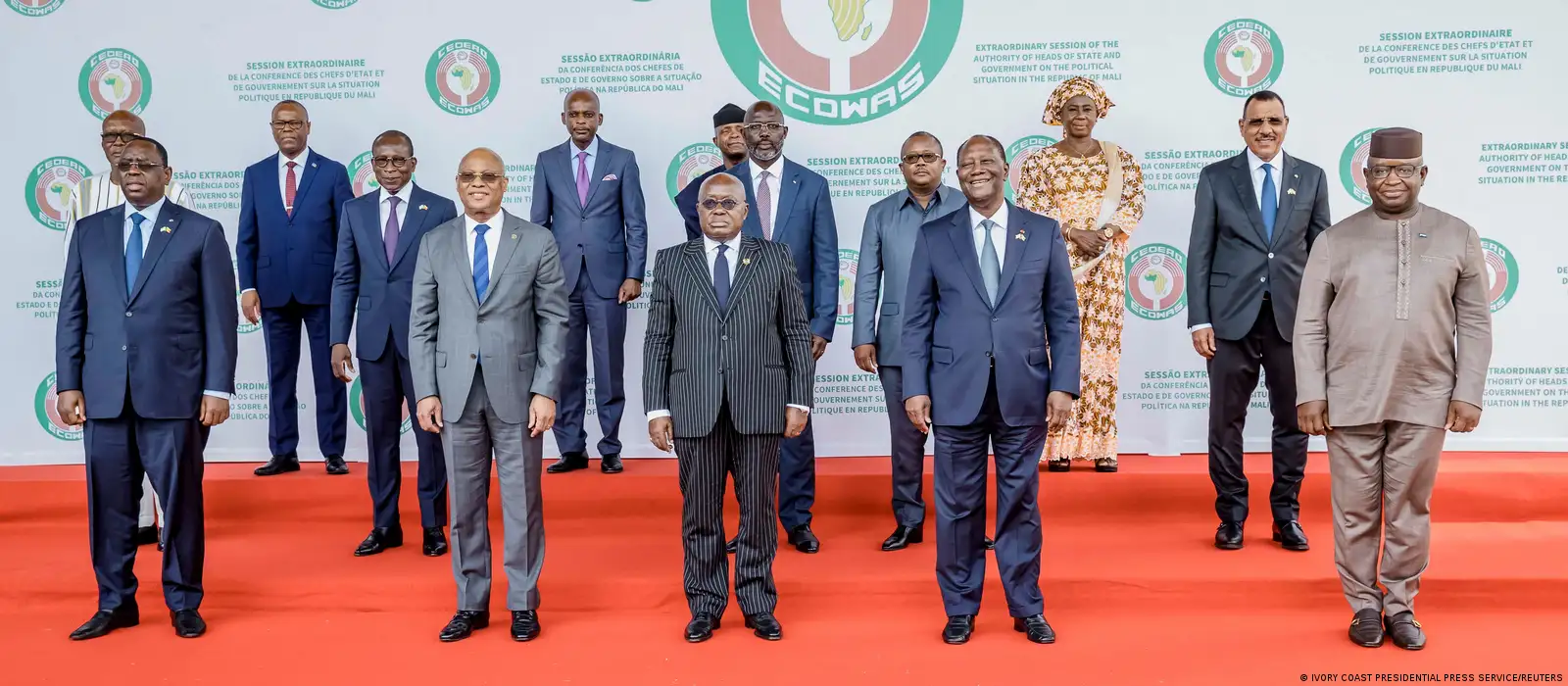
Bamako, Mali – A landmark ruling by the West African Economic and Monetary Union (WAEMU) Court has struck down the 2022 economic blockade imposed on Mali, delivering a powerful legal warning to regional institutions and reigniting debate over the future of integration in West Africa.
The decision challenges the legality of sanctions that were widely seen as one of the bloc’s strongest enforcement tools. More significantly, it exposes the economic costs of politicising trade within a region that has long championed integration as a pathway to growth.
A Fracturing or Evolving Union?
The ruling has sparked questions about whether regional integration is beginning to fracture or whether it is being forced to evolve.
Economist Modibo Mao Makalou noted that the case highlights deeper structural issues, particularly the lack of policy coherence between ECOWAS and WAEMU, two institutions often overlapping in mandate but diverging in execution.
“The ruling underscores the need for alignment between regional bodies. Without coherence, integration risks becoming a source of instability rather than growth,” Makalou said.
Global Implications
In an increasingly competitive global economy, the ruling prompts reflection on Africa’s broader economic strategy. Should regional blocs prioritize trade stability, market integration, and investor confidence over political leverage or can both coexist without damaging growth?
For many analysts, the answer may define the next chapter of West Africa’s economic future.
Africa’s Tech Sector Shifts Toward Financial Discipline
After years of rapid expansion fueled by venture capital, Africa’s tech ecosystem is entering a new phase. The funding slowdown of recent years often described as a “funding winter” forced startups to reassess their strategies.
By 2025, signs of recovery are emerging, but the rebound looks markedly different from the boom years.
Debt Financing Gains Traction
Instead of chasing aggressive valuations and user growth at any cost, leading founders are prioritizing sustainability and profitability. Increasingly, they are turning to debt financing as a disciplined growth strategy, avoiding dilution and maintaining greater control over their businesses.
This shift reflects a broader maturation of the ecosystem one that rewards operational efficiency over hype-driven expansion.
Investor Selectivity
Investors, too, are becoming more selective, focusing on startups with clear revenue models and stronger fundamentals. The result is a leaner, more disciplined tech landscape potentially more resilient in the long term.
Valentine’s Day Spending Hits $29.1 Billion Globally
Global – Love may be priceless, but in 2026 it comes with a significant price tag. Worldwide Valentine’s Day spending is projected to reach $29.1 billion, underscoring the growing commercialization of the holiday.
Zambia’s Seasonal Surge
In Zambia, the trend is increasingly visible. Florists, restaurants, retailers, and event planners are capitalizing on the seasonal surge in consumer spending. For small businesses, Valentine’s Day presents a crucial revenue opportunity in a challenging economic climate.
The Debate Over Consumerism
Yet the rise in commercial activity is sparking debate. As spending grows, so does the question: Is affection measured by the heart or by the Kwacha?
For consumers facing rising living costs, the pressure to spend can feel increasingly commercialized. The debate reflects a broader global tension between cultural celebration and consumerism one that continues to reshape seasonal markets across Africa.