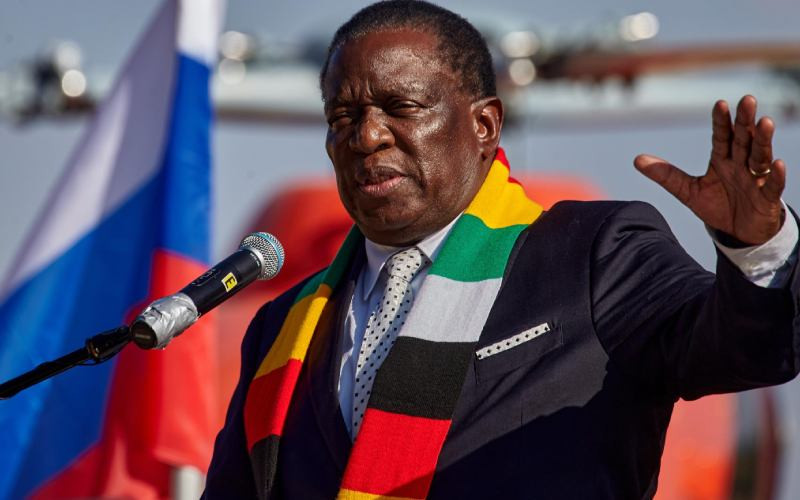
Harare, Zimbabwe – Zimbabweans are voicing strong opposition after the cabinet approved constitutional amendments that would extend President Emmerson Mnangagwa’s rule until 2030. The 83-year-old leader, who came to power in 2017 after a military-backed coup ousted Robert Mugabe, is now seeking to consolidate his grip on power through changes that critics describe as a “constitutional coup.”
Proposed Amendments
The amendments, which still require parliamentary approval, are heavily weighted in favor of Mnangagwa’s ruling Zanu-PF party. Key provisions include:
- Extending the presidential term from five to seven years.
- Allowing parliament to choose the president instead of the electorate.
- Granting the president authority to appoint 10 additional senators, expanding the Senate to 90 seats.
A post-cabinet statement claimed the changes would “enhance political stability and policy continuity to allow development programmes to be implemented to completion.”
Opposition Reaction
Opposition leaders and legal experts have condemned the move, insisting that any amendment extending an incumbent’s tenure must be subjected to a national referendum.
Lawyer Tendai Biti argued:
“The proposed amendments are illegal and unconstitutional in that they infringe the term limit provision of the constitution. More importantly they seek to do them outside two referendums.”
Opposition politician David Coltart, mayor of Bulawayo, warned that the ruling party is deliberately avoiding a referendum:
“They know that if that happens, they will fail, so they will do all in their power to prevent a referendum from happening.”
Public Sentiment
Ordinary citizens have also voiced frustration. Augustine Kaswaurere, a resident, said:
“A president should not rule for a long time, and it is preferable to serve for a short term and give others a chance.”
Democracy advocate Professor Lovemore Madhuku described the cabinet’s move as “totally unacceptable,” predicting political instability and a “painful struggle” ahead.
Political Context
Mnangagwa’s tenure has been marked by economic collapse, corruption allegations, and widespread disillusionment. Despite initial hopes for reform after Mugabe’s fall, his administration has faced accusations of cronyism and repression.
Attempts to protest against the “2030 agenda” have been met with police crackdowns, with scores of demonstrators jailed.
Conclusion
The cabinet’s approval of constitutional changes has reignited fears of democratic backsliding in Zimbabwe. With opposition fragmented and weakened after years of repression, the battle over Mnangagwa’s proposed extension is likely to intensify, setting the stage for a contentious political struggle that could define Zimbabwe’s future.