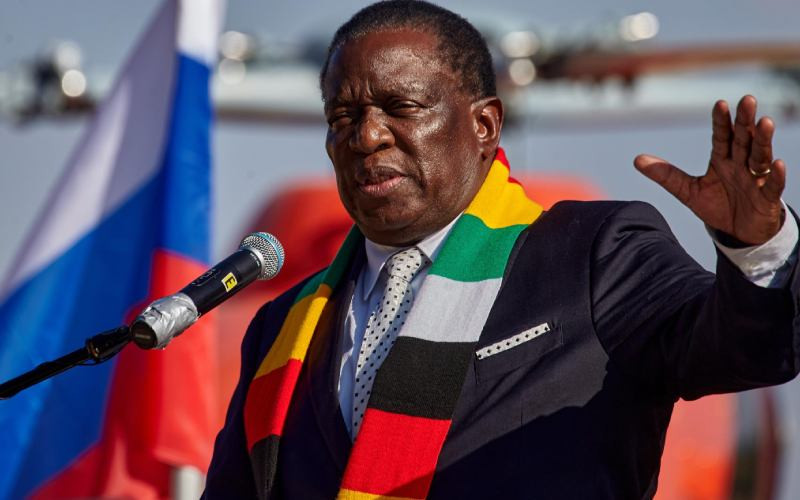
Zimbabwe has abruptly withdrawn from negotiations with the United States over a new health aid agreement, raising uncertainty about the future of HIV treatment and broader health support in the country.
Aid Deal Breakdown
The proposed deal, worth $367 million over five years, was designed to support 1.2 million Zimbabweans currently receiving HIV treatment. However, officials announced Wednesday that talks had been halted, citing concerns over national autonomy.
Authorities argued that the terms of the agreement risked shifting control of disease response to Washington and granting the US broad access to Zimbabwe’s health data.
Strategic Context
The US has been pursuing similar agreements across Africa under its “America First” strategy, partly aimed at countering China’s growing influence on the continent. Countries including Kenya, Rwanda, Uganda, Lesotho, and Eswatini have already signed comparable deals.
Zimbabwe’s decision to step back leaves Washington facing the challenge of winding down its health assistance in the country, with no clear replacement plan in sight.
Implications for Health Support
The collapse of talks raises pressing questions about the sustainability of HIV treatment programs in Zimbabwe. With more than a million people dependent on ongoing support, the halt could have significant public health consequences if alternative funding or partnerships are not secured.