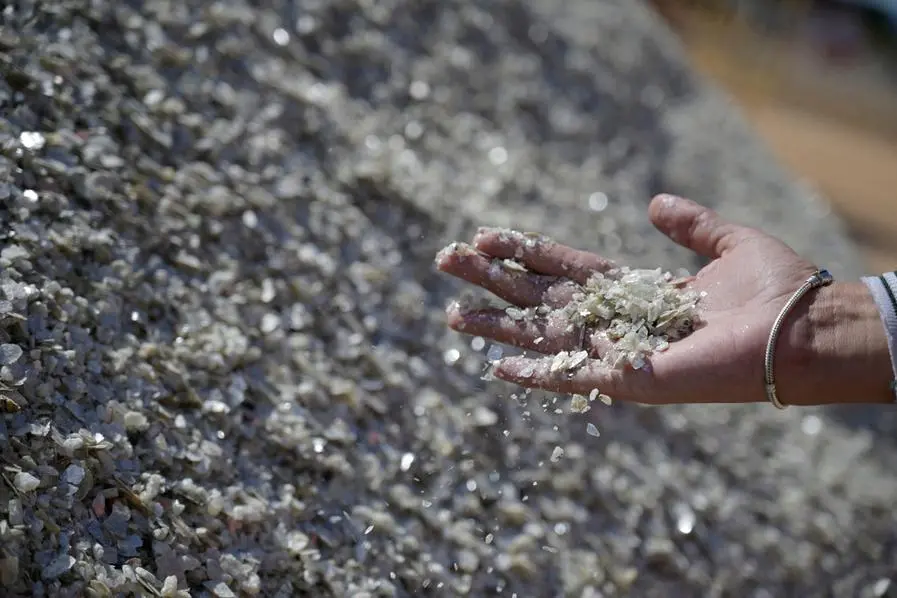
Zimbabwe has announced an immediate freeze on exports of all raw minerals and lithium concentrate, tightening state control over resources critical to global clean-energy and defense industries.
Government Statement
Mines Minister Polite Kambamura confirmed the ban in a statement on Wednesday, stressing that the measure was taken in the national interest.
“Government expects cooperation of the mining industry on this measure which has been taken in the national interest,” Kambamura said.
The ban applies to all raw minerals already in transit and will remain in place until further notice.
Global Context
The move aligns with a worldwide trend as nations scramble to secure rare earths and strategic minerals essential for:
- Smartphones and consumer electronics
- Renewable energy systems such as batteries and solar panels
- Military equipment and defense technologies
Many producing countries are tightening supply chain controls to ensure domestic value addition.
Value Addition Priority
Zimbabwe’s government emphasized the need for transparency, in-country value addition, and beneficiation in mineral exports.
The ban on lithium concentrates was originally scheduled for January 2027, intended to push mining companies toward local processing. By accelerating the timeline, authorities are signaling a stronger commitment to domestic beneficiation.
Strategic Importance
Zimbabwe holds Africa’s largest lithium reserves, much of which is currently shipped to China for refining. Mining contributes 14.3% to Zimbabwe’s GDP, making the sector a cornerstone of the economy.
The freeze is expected to reshape trade flows and intensify global competition for access to processed minerals rather than raw exports.