Ruto Clarifies Position on Foreign Nationals Working and Doing Business in Kenya
President William Ruto has reaffirmed that Kenya remains open to foreign workers, investors and visitors, provided they operate within the country’s laws and regulations.
0 likes
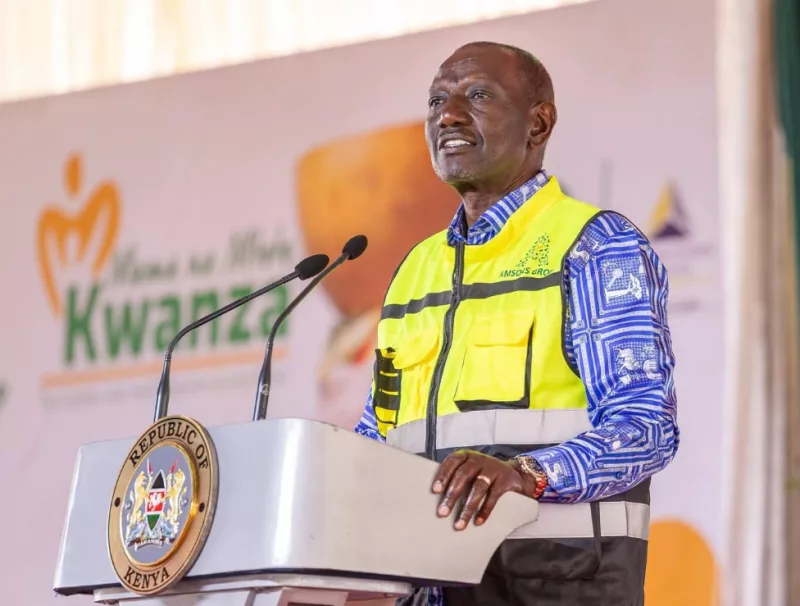
President William Ruto has sought to clarify his recent position on foreign nationals doing business in Kenya, saying the country remains open to people from across Africa and beyond who comply with Kenyan laws.
Speaking in Chebunyo, Bomet County, Ruto said no Kenyan had the right to take the law into their own hands or harm foreigners, stressing that all people in the country would be treated fairly and in accordance with the law.
The remarks come days after the President directed authorities to crack down on foreign nationals involved in small-scale businesses, including hawking and petty trade, arguing that such activities should largely be reserved for Kenyan citizens.
Kenya Remains Open to Foreign Investment
Ruto said Kenya's commitment to regional and continental integration means citizens of the East African Community (EAC), Common Market for Eastern and Southern Africa (COMESA) and African Continental Free Trade Area (AfCFTA) remain free to work and invest in Kenya, provided they follow the applicable regulations.
“They are free to work in Kenya within the rules that are provided for in Kenya, so that we can together be able to grow our region, and no citizen has a right to take the law into their hands and harm other people from other areas,” Ruto said.
The President said the government would continue enforcing regulations governing employment, investment and other activities involving foreign nationals.
He emphasised that the enforcement measures should not be interpreted as a rejection of foreigners, saying Kenya would continue to maintain its reputation as an open society.
“Every person from wherever they come from will be treated fairly, in accordance with the law, and made to comply with the regulations governing employment in Kenya, investment in Kenya, visit to Kenya, whether they are tourists, whether they have come to work, or whether they have come to invest,” he said.
Crackdown on Small-Scale Foreign Traders
Ruto's clarification follows his September 2 directive targeting foreign nationals engaged in small-scale trading activities.
The President had said Kenyan traders needed protection from what he described as unfair competition, particularly in businesses such as hawking and petty trade.
The directive triggered debate among business groups, foreign nationals and members of the public over the balance between protecting local livelihoods and maintaining Kenya's commitments to regional economic integration.
Ruto has, however, maintained that foreign investors remain welcome, particularly those bringing significant capital into the country and creating employment opportunities for Kenyans.
90-Day Regularisation Exercise
Following the directive, the government launched a 90-day regularisation exercise targeting foreign nationals operating businesses in Kenya.
Officials have repeatedly clarified that the measures do not amount to a blanket ban on foreign traders.
The government has instead maintained that foreign nationals operating businesses or working in Kenya must possess the required permits, licences and approvals and comply with the country's laws.
Concerns Over Harassment and Xenophobia
The government's position has also come amid concerns from some foreign nationals, particularly citizens of other East African countries, who have expressed fears over possible harassment and discrimination following the crackdown.
Ruto's latest remarks appeared aimed at drawing a clear distinction between enforcement of immigration and business regulations and attacks against foreigners.
The President warned Kenyans against taking matters into their own hands, insisting that disputes involving foreign nationals should be handled through established legal and regulatory channels.
Balancing Local Protection With Regional Integration
Kenya's latest position reflects the challenge of balancing protection of local businesses and employment opportunities with the country's commitments to regional and continental economic integration.
While the government says Kenyan traders should be protected from unfair competition and unlawful business practices, it has also stressed that legitimate foreign workers and investors remain welcome.
The administration's approach is therefore centred on compliance rather than a blanket exclusion of foreign nationals, with authorities expected to distinguish between those operating legally and those without the necessary documentation or approvals.
Ruto said Kenya would continue to enforce its laws while preserving the country's position as an open economy and regional commercial hub.
The President's clarification is likely to remain a significant issue as the government implements the 90-day regularisation exercise and seeks to balance the interests of Kenyan traders with Kenya's regional integration commitments.
Share this story
Choose a platform or copy the link