
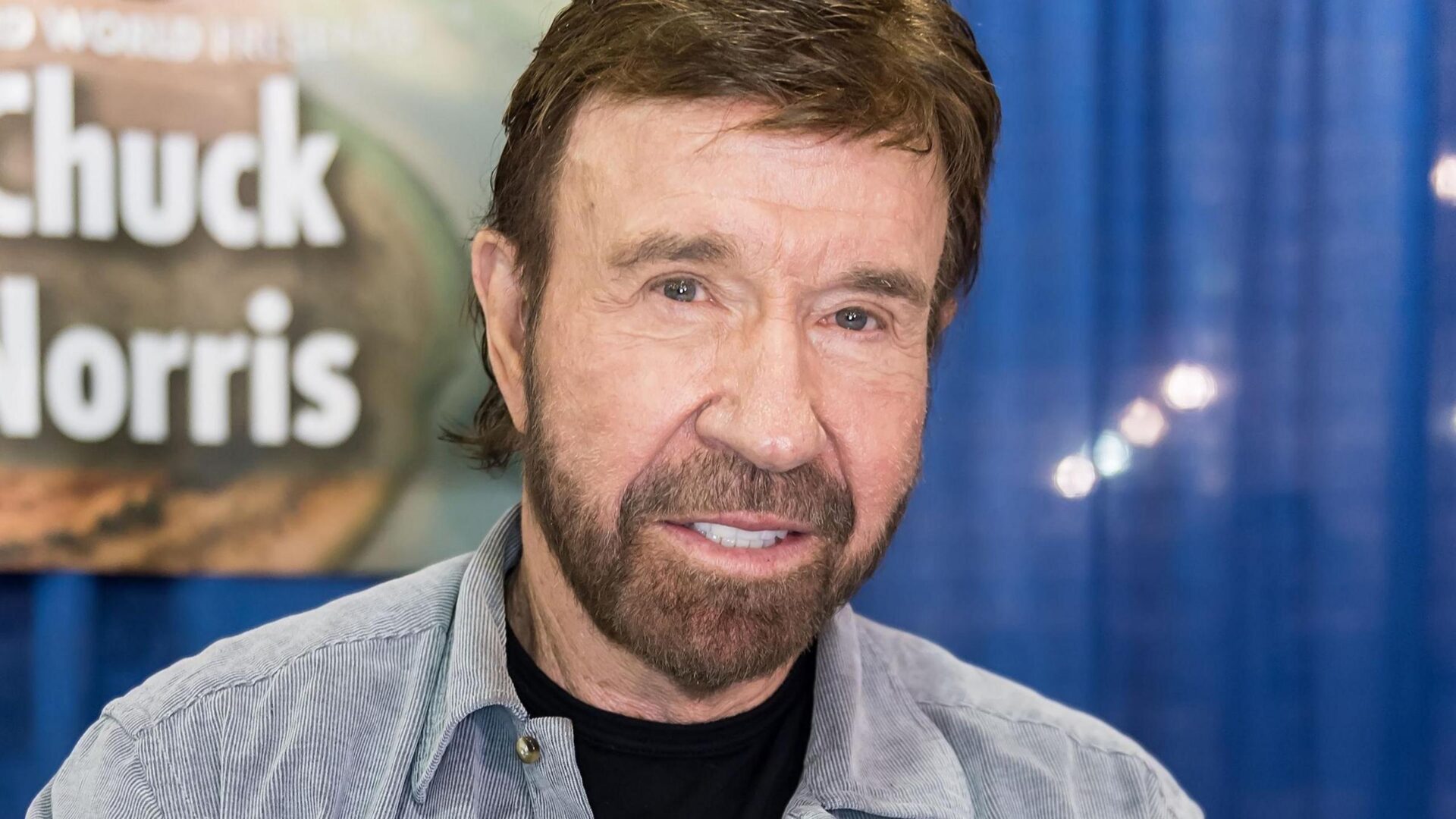
The death of legendary action star and martial artist Chuck Norris on March 19, 2026, has reignited a wave of internet nostalgia, with viral “Chuck Norris Facts” memes once again dominating online conversations.
Originally popular in the late 2000s and early 2010s, the tongue-in-cheek memes portrayed Norris as an exaggerated symbol of invincibility and masculinity. Their resurgence following his death has, for some, overshadowed reflections on his real-life career and personal legacy.
Among the most widely shared jokes are:
“Chuck Norris doesn’t do push-ups. He simply pushes the world down.”
“Chuck Norris counted to infinity twice.”
“Chuck Norris once strangled someone with a cordless phone.”
Memes Versus the Man
The renewed popularity of the memes has prompted broader cultural reflection on how digital culture reshapes public memory. While Norris was widely known for his roles in action films and the television series Walker, Texas Ranger, his online persona often eclipsed his real-life identity.
Analysts note that memes are not merely jokes but can influence how society interprets larger themes such as masculinity and celebrity culture.
“Memes aren’t just memes… they can shape how people understand and debate bigger cultural questions,” observers argue.
In Norris’ case, the memes often exaggerated hyper-masculine ideals to the point of satire portraying him as capable of impossible feats. At the same time, some content reflected more problematic aspects of online culture, including misogynistic undertones.
A Complex Public Legacy
Following his death, discussions have also revisited Norris’ political views and past public statements, including his conservative activism and associations with U.S. political figures such as Ronald Reagan and George H. W. Bush.
This has raised questions about whether audiences can separate the humor of memes from the individual behind them.
“Memes are special because there isn’t ever one fixed definition of what they mean,” the analysis notes, suggesting that humor can resonate regardless of personal knowledge about the subject.
The Rise of Meme Culture
Norris’ case highlights a broader shift in how fame is created and sustained in the digital era. Unlike traditional celebrity status shaped by studios and media houses, meme culture is largely driven by everyday internet users.
Figures such as Gary Brolsma (the “Numa Numa” viral star) and Sammy Griner (“Success Kid”) demonstrate how ordinary individuals can achieve global recognition through viral content. Similarly, celebrities like Keanu Reeves have seen their public image reshaped by memes beyond their control.
The Double-Edged Sword of Virality
While memes can amplify fame, they can also blur the line between public persona and personal identity. For some individuals, being immortalized online can become a defining label that is difficult to escape.
The resurgence of Chuck Norris memes underscores this tension between a cultural icon shaped by film and television, and a digital legend molded by internet humor.
“It’s up to everyone else to decide which version they remember most.”
As tributes continue, Norris’ legacy stands as a case study in how modern digital culture can redefine celebrity transforming real people into enduring internet myths.

