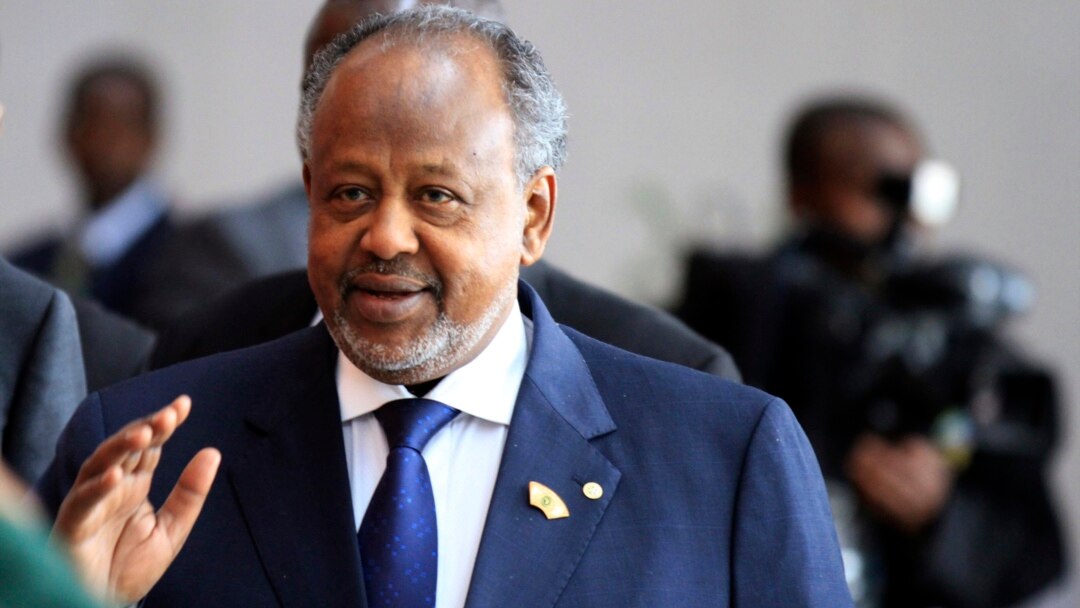
Djibouti’s long-serving President Ismail Omar Guelleh, who has governed the Horn of Africa nation for nearly 30 years, is set to run for a sixth term in the upcoming presidential election on April 10, facing only one minor challenger, according to an official decree published Wednesday.
The 78-year-old incumbent secured eligibility after the parliament amended the constitution last November to remove the 75-year age limit, clearing the path for his continued rule.
A Lone Challenger
Guelleh’s sole opponent is Mohamed Farah Samatar, a former member of the ruling party who now leads the Unified Democratic Center, a party without representation in the national assembly. Political analysts suggest the election’s outcome is largely predetermined.
“There is little doubt about the outcome,” a Djiboutian analyst told AFP.
Strategic Importance
Djibouti, home to roughly one million people, is a key strategic hub at the confluence of the Red Sea and the Gulf of Aden. The country hosts foreign military bases for the United States, China, France, and other global powers, making its stability a priority for international actors. Guelleh’s tenure has been credited with maintaining relative stability in a volatile region.
Democratic Concerns
Critics have raised questions about the fairness of Djibouti’s electoral process. Former presidential adviser Alexis Mohamed, who resigned last September citing “democratic backsliding,” was unable to register as a candidate, citing insufficient security guarantees to return from abroad.
Djibouti ranks 168th out of 180 countries in Reporters Without Borders, and the International Federation for Human Rights has described elections in the country as “not free.” In the last presidential vote in 2021, Guelleh won 97% of the ballots.
Looking Ahead
The April 10 election is expected to reinforce Guelleh’s long-standing control, continuing a pattern of limited political competition in Djibouti. Observers note that while stability is maintained, concerns persist over press freedom, political pluralism, and democratic legitimacy in the country.