A new and potentially severe disruption to international shipping lanes is emerging, raising alarm across global trade and energy markets. Following heightened military tensions in the Middle East, the strategic Bab el-Mandeb Strait is now at the center of escalating geopolitical risk.
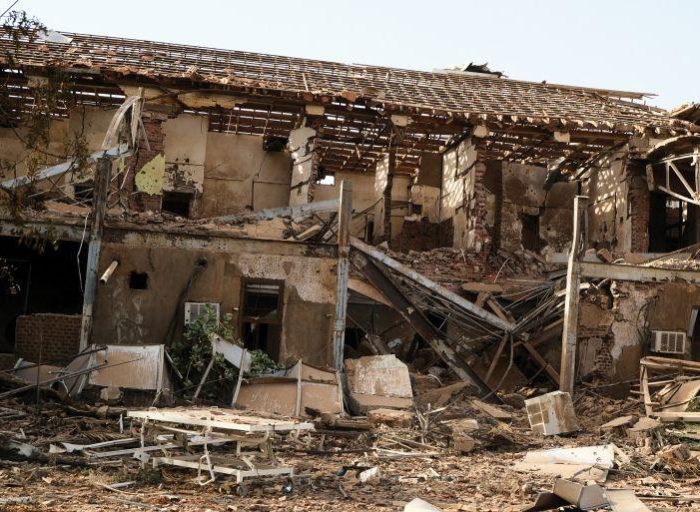
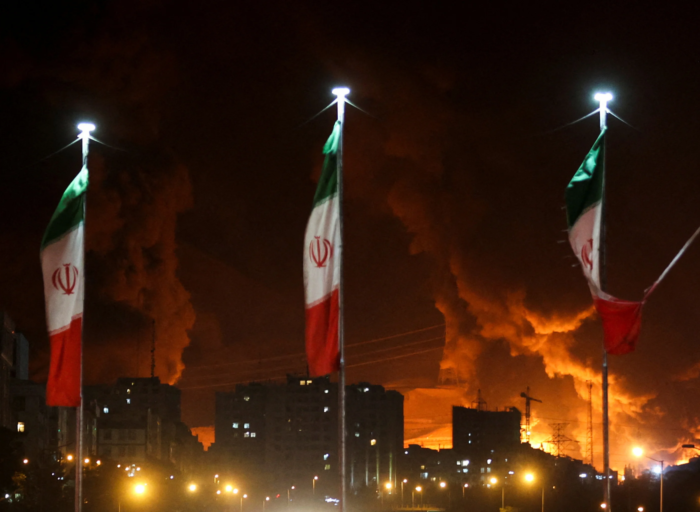
The development comes in the wake of reported strikes by the United States and Israel on Iran, which have significantly destabilized the region. In response, Yemen’s Houthi movement aligned with Tehran has issued warnings that it may move to block the Bab el-Mandeb Strait, one of the world’s most critical maritime chokepoints.
The Houthis, who maintain control over Yemen’s capital, Sana’a, as well as much of the country’s northwestern Red Sea coastline, signaled that any closure of the waterway would be selective. According to a representative, potential attacks would target vessels associated with nations involved in military actions against Iran and its regional allies, including Lebanon, Palestine, and Iraq.
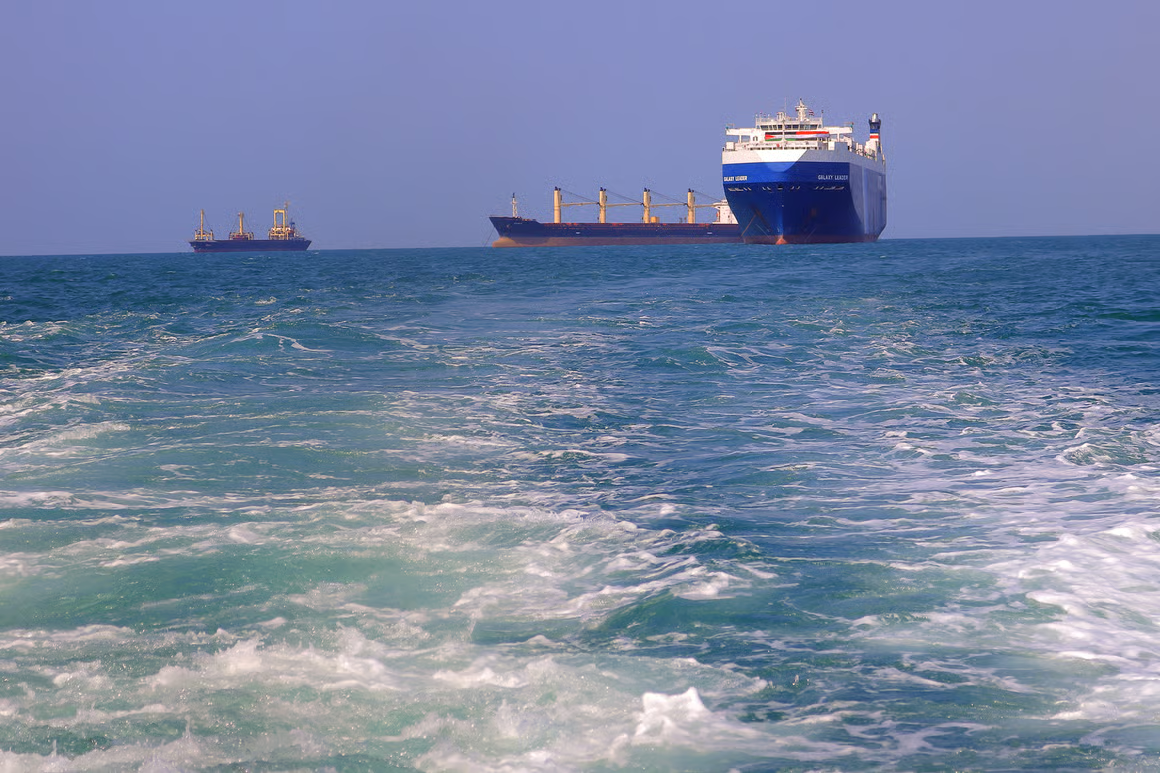
The Bab el-Mandeb Strait serves as a vital corridor linking the Red Sea to the Gulf of Aden, forming a crucial conduit between the Mediterranean Sea and the Indian Ocean. Its strategic importance cannot be overstated: it facilitates a significant portion of global maritime trade, particularly energy shipments such as crude oil and liquefied natural gas moving between Europe and Asia.
Any disruption in this narrow passage only about 20 miles wide at its narrowest point would force shipping companies to reroute vessels around the southern tip of Africa via the Cape of Good Hope. Such diversions would substantially increase transit times and costs, placing additional strain on already fragile global supply chains.
Market analysts warn that even the threat of closure could trigger volatility in global oil prices, insurance premiums for shipping, and freight costs. The situation also raises concerns about the broader militarization of key trade routes, particularly as tensions extend beyond the Strait of Hormuz, another critical artery for energy exports.
International stakeholders, including major naval powers and global trade organizations, are closely monitoring the situation. Increased naval deployments and security measures in the Red Sea region are likely if the threat escalates further.
As geopolitical tensions continue to spill into vital economic corridors, the stability of global shipping and by extension, the global economy faces a growing and unpredictable challenge.