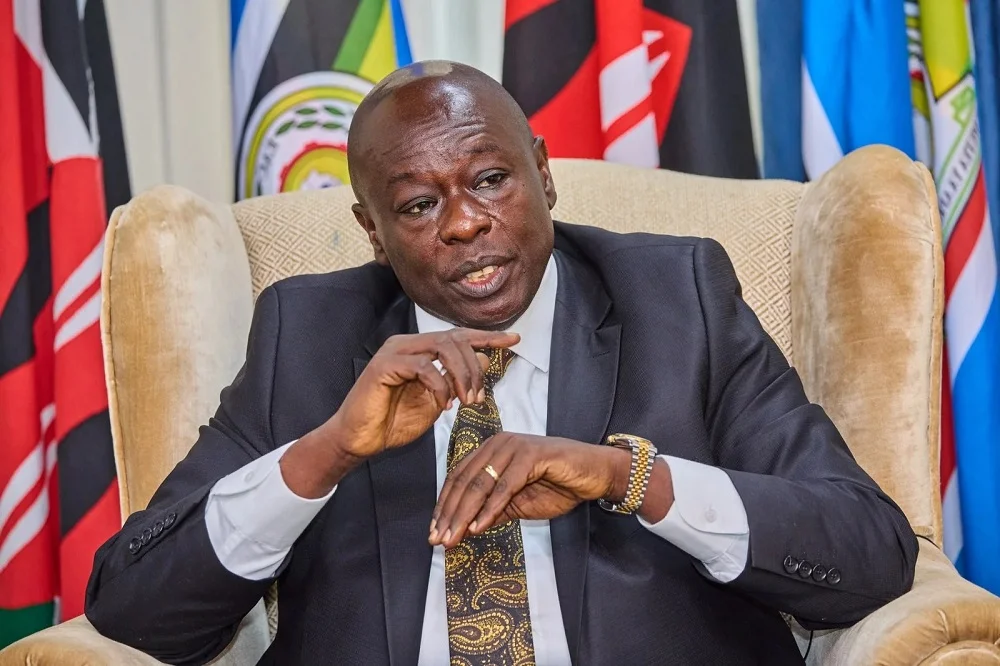
Nairobi, Kenya – Democracy for the Citizens Party (DCP) leader and former Deputy President Rigathi Gachagua has intensified his criticism of the ongoing fuel import saga, alleging that recent arrests of senior energy officials are tied to a deeper business dispute rather than accountability measures.
Gachagua claimed the arrests stem from internal conflicts surrounding the government-to-government (G-to-G) oil importation arrangement, arguing that the issue is rooted in a fallout over control and profits.
“This is a trade war between Ruto and his employees… Ruto entered G-to-G, and he conducts all this business through Gulf Energy and Starbex… and he has made more than Ksh.1.3 trillion,” Gachagua alleged.
The officials at the centre of the controversy include Energy Principal Secretary Mohamed Liban, Joe Sang of the Kenya Pipeline Company, and Daniel Kiptoo of the Energy and Petroleum Regulatory Authority (EPRA). They are accused of bypassing the G-to-G framework by importing fuel through an alternative entity.
According to Gachagua, the move reportedly triggered tensions after the officials allegedly profited independently from the arrangement.
“They made nearly Ksh. 500 million, then Ruto was told these employees of yours have played you, so he decided to play them,” he claimed.
The former Deputy President further alleged that the officials have been forced to resign and that funds reportedly recovered as evidence have since gone missing under unclear circumstances.
“That Ksh.500 million, which was meant to be an exhibit, he has ordered that it be brought to him,” Gachagua stated.
Gachagua has since been summoned by the Directorate of Criminal Investigations (DCI) over the allegations but has publicly declined to honour the summons.
Beyond the political fallout, he warned that the dispute could have wider economic implications, particularly on fuel prices and the cost of living.
“In the coming weeks, fuel prices will rise, and when they rise, fares will rise, and the price of everything will rise,” he cautioned.
The controversy adds a new dimension to Kenya’s fuel import framework debate, raising concerns about governance, transparency, and the potential economic impact on consumers if the situation escalates.