The Ministry of Education has verified 38,000 schools across Kenya as part of a sweeping nationwide audit to ensure that capitation funds only reach legitimate learners and institutions.
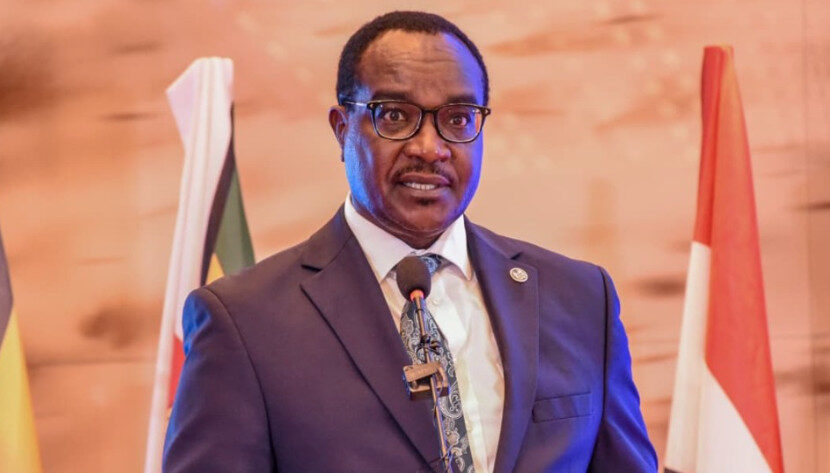
Speaking during World Teachers’ Day 2025 celebrations in Kasarani, Nairobi, Education Cabinet Secretary Julius Ogamba announced that the government has already released funds to verified schools and will finalize the verification of the remaining institutions within 10 days.
“We are undertaking a comprehensive verification exercise to ascertain the actual number of schools and learners at the basic education level across the country. Consequently, we are only releasing capitation to schools whose learners have already been verified,” said Ogamba.
Verification to End Capitation Abuse
Ogamba said the process is designed to seal loopholes that have enabled corruption and misuse of education funds. He emphasized that accurate data will protect the education sector from budget cuts and ensure equitable funding for all legitimate learners.
“If we have the exact number of schools and students, there can never be deductions. But if we don’t, it gives room for slashing the budget. That’s why we’re doing this verification,” he stated.
The CS added that the final report, expected within days, will inform future education policies and funding decisions based on science, evidence, and data.
Ghost Students Cost Taxpayers Billions
The announcement follows revelations by Basic Education PS Julius Bitok that over 50,000 ghost students were discovered in secondary schools during the ongoing audit. These fictitious students have allegedly cost taxpayers over Ksh 4.4 billion in capitation funds over the past four years.
Bitok noted that once the cleanup is complete, the total number of schools and students may drop by 5–10%, which will directly influence future budget allocations.
Concerns from Lawmakers and Educators
Saboti MP Caleb Amisi expressed concern that the current capitation system is failing to deliver funds to the intended beneficiaries — needy learners and parents. Meanwhile, former KNUT Secretary General Wilson Sossion praised the ongoing verification, saying it confirms long-standing fears of systemic fraud in school funding.
“I raised my concerns about wiring capitation money without auditing, and now it’s clear ghost students were being used to divert public funds,” said Sossion.
Looking Ahead
The verification exercise, which aims to restore transparency and accountability in Kenya’s education sector, is expected to reshape how the government funds primary, junior, and secondary schools ahead of the 2026 academic year.