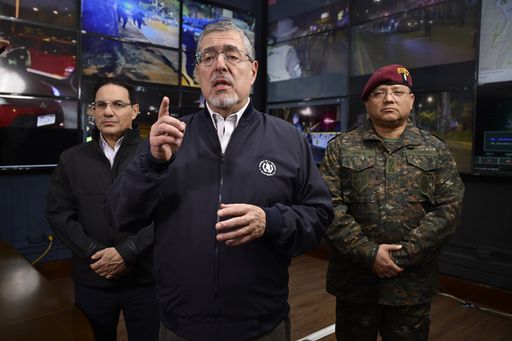
Guatemala has officially lifted the state of emergency imposed after the killing of 10 police officers by suspected gang members. The month-long measure, introduced by President Bernardo Arévalo, granted authorities expanded powers, including the ability to make arrests without warrants and restrictions on certain constitutional rights.
Transition to New Powers
While the emergency decree has ended, Arévalo confirmed that new, less restrictive measures will come into force on Tuesday. Details of these measures have not yet been disclosed, but officials noted they will not require congressional approval or oversight.
During the emergency period, Arévalo reported that 83 gang members were arrested, claiming that murders and extortion cases had declined compared to last year. However, he did not provide specific figures to substantiate the claims.
Background of Violence
The emergency was triggered after gangs retaliated against police in January, following riots in three prisons. The attacks underscored the persistent challenge of organized crime in Guatemala, where gangs wield significant influence in urban and rural areas alike.
Regional Context
Neighboring El Salvador has been under a state of emergency for nearly four years as part of President Nayib Bukele’s aggressive campaign against gangs. Analysts suggest Guatemala’s approach reflects a balancing act seeking to curb violence while avoiding prolonged restrictions on civil liberties.
Looking Ahead
The government’s next steps will be closely watched, particularly as Guatemala attempts to strengthen security without undermining democratic oversight. The effectiveness of the new measures will likely shape public confidence in Arévalo’s administration and its ability to confront gang violence.