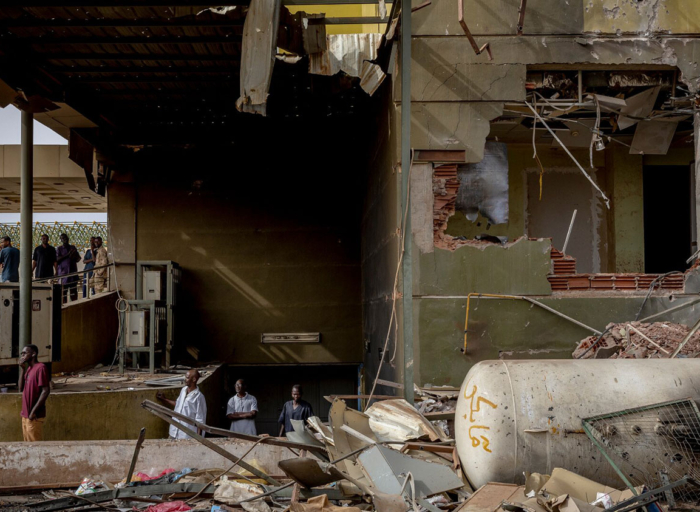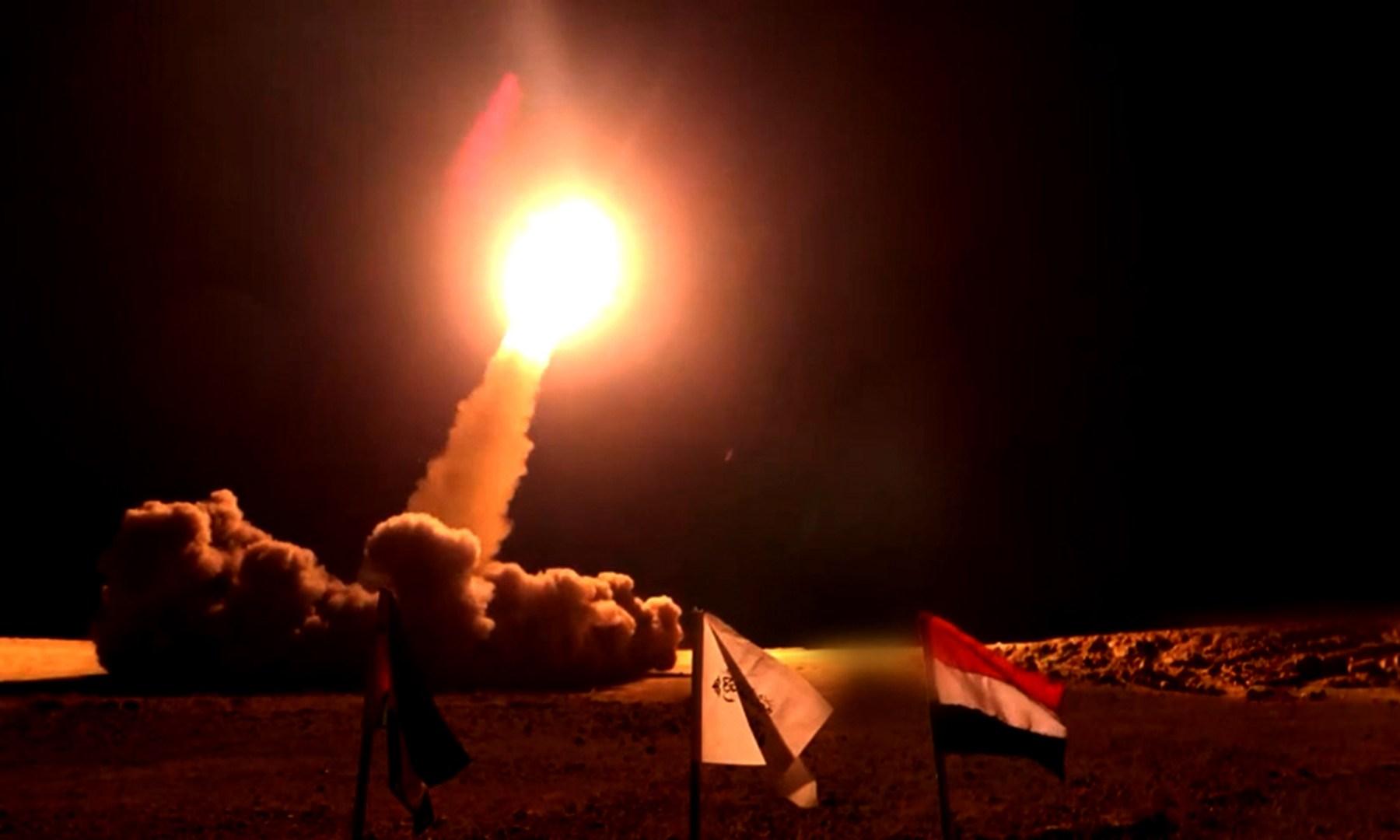
Yemen’s Houthi rebels have entered the expanding Middle East conflict, launching missiles and drones toward Israel in what analysts describe as a significant escalation with far-reaching implications.
The strike, confirmed by Israeli authorities on Saturday, marks the group’s first direct attack on Israel in months and signals a shift from rhetoric to active participation. Israel said it detected a missile launch from Yemen and was working to intercept it.
A Calculated Entry Into War
The Iran-aligned Houthis had previously expressed support for their regional allies while refraining from direct involvement. Their decision to act now had been widely anticipated by analysts, who viewed it as a strategic move tied to longstanding ties with Iran.
Experts suggest the group deliberately targeted Israel rather than U.S. or Gulf assets in an attempt to balance domestic messaging with regional risk management demonstrating solidarity with the Palestinian cause while avoiding immediate escalation with Washington or Riyadh.
Strategic Waterways Under Threat
The Houthis’ involvement raises immediate concerns over the security of the Bab al-Mandeb Strait, a critical maritime corridor linking the Red Sea to the Gulf of Aden and a vital gateway to the Suez Canal.
From positions in western Yemen, the group has previously demonstrated its ability to disrupt global shipping using drones and missile systems. During earlier phases of regional conflict, similar attacks forced vessels to reroute, increasing shipping costs and delays.
With the Strait of Hormuz already under pressure due to regional tensions, any sustained threat to Bab al-Mandeb could significantly disrupt global oil flows and trade between Europe and Asia. The alternative route around the Cape of Good Hope adds substantial time and cost to international shipping.
Pressure on Saudi Arabia
The escalation also places Saudi Arabia in a precarious position. The kingdom has relied on Red Sea export routes, particularly through its Yanbu port, as tensions affect Gulf shipping lanes.
Analysts warn that if Red Sea routes become unsafe, Saudi Arabia may be forced to reconsider its current restrained posture. A shift toward direct retaliation against Houthi positions could reopen a conflict that had largely de-escalated since a 2022 truce in Yemen.
Risk of Wider Regional Conflict
The Houthis have indicated that further strikes could extend beyond Israel, potentially targeting infrastructure in neighboring states or Western military installations in the Gulf.
Such actions would dramatically increase the risk of a broader regional war involving multiple actors. Given the Houthis’ geographic proximity to key Gulf infrastructure, their capabilities present a direct threat that differs from longer-range operations conducted by other regional players.
Humanitarian Concerns
Any renewed escalation in Yemen carries severe humanitarian risks. The country remains deeply affected by years of conflict, with millions still dependent on aid. A return to full-scale hostilities could worsen an already fragile situation for civilians.
A Volatile Turning Point
The Houthis’ entry into the conflict underscores how rapidly the regional crisis is evolving. What began as a localized war now risks expanding across multiple fronts military, economic, and geopolitical.
With critical shipping lanes, major oil exporters, and global powers increasingly drawn in, the situation represents a potential inflection point for both regional stability and the global economy.