
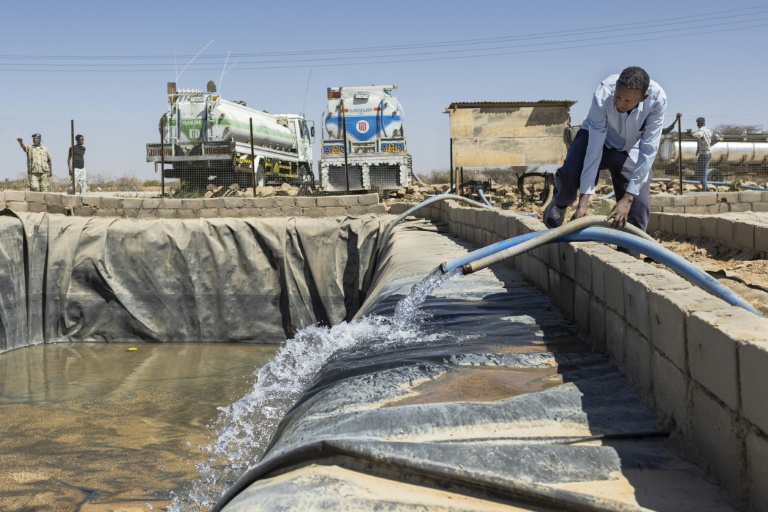
As drought continues to devastate Somaliland, local farmers and officials are turning to Israel for help with water management and agricultural resilience.
Life on the Ground
On Faysal Omar Salah’s family farm, months without rain have left seeded furrows dry and barren. His two children, out of school, survive only on milk from the family’s cattle. Nearby, the Lallays reservoir has completely dried up, leaving camels to graze on sparse wild plants.
“If the rain crisis continues, we will just leave this land and go to a town,” Salah said, adding that he prays for rain but also hopes Israel can help cultivate Somaliland’s parched land.
Israel’s Recognition and Cooperation
In December 2025, Israel became the first country to officially recognize Somaliland’s independence since it declared autonomy from Somalia in 1991. While speculation exists about potential military cooperation, Israel has emphasized civilian support focusing on economy, agriculture, health, and water management.
A first group of 25 Somaliland water sector workers has already traveled to Israel for training, with Israeli experts expected to visit Somaliland soon to help install water technology.
Israel’s Expertise
Israel, itself an arid country, is a global leader in water management:
- Nearly 90 percent of wastewater is recycled
- Seawater desalination plants provide over 80 percent of drinking water
This expertise is seen as a valuable diplomatic tool in the era of climate change.
Somaliland’s Struggles
Rainy seasons in Somaliland have been late and meagre for at least five years, leading to frequent droughts. Currently, only 3 percent of land is under cultivation. Officials hope Israeli assistance can significantly expand this figure.
“Inshallah, Israel is going to help us change our practices. Because if you want to change practices, you need to have knowledge,” said Mokhtar Dahir Ahmed, a Ministry of Agriculture official.
Agronomist Abdirazak Sheikh Muhamad warned that 90 percent of farmers rely solely on rainfall, worsening malnutrition across the region.
Local Adaptation Efforts
Some farmers are already innovating. Muhummad Mohamad Ismail, 45, invested in a concrete reservoir costing $2,500 to irrigate his orange and papaya trees. Despite losing half his orchard to drought, his careful water management has kept the remaining trees lush.
“Everything I do is linked to water. If there is no water, there is no life,” he said.
Conclusion
As Somaliland faces worsening drought and food insecurity, cooperation with Israel could provide critical expertise in water management. For farmers like Salah, the hope is that international support will help transform dry fields into fertile ground and secure a future for their families.

