As global superstars BTS prepare for a highly anticipated comeback concert, renewed attention has turned to the inner workings of South Korea’s K-pop industry an ecosystem celebrated for its talent and global influence, but also scrutinised for its demanding and, at times, troubling practices.
From chart-topping acts like Blackpink to emerging groups competing for recognition, K-pop remains one of the world’s most influential music industries. Yet behind its polished image lies a system defined by intense competition, strict management control, and mounting concerns over artist welfare.
Highly Competitive “Factory-Like” System
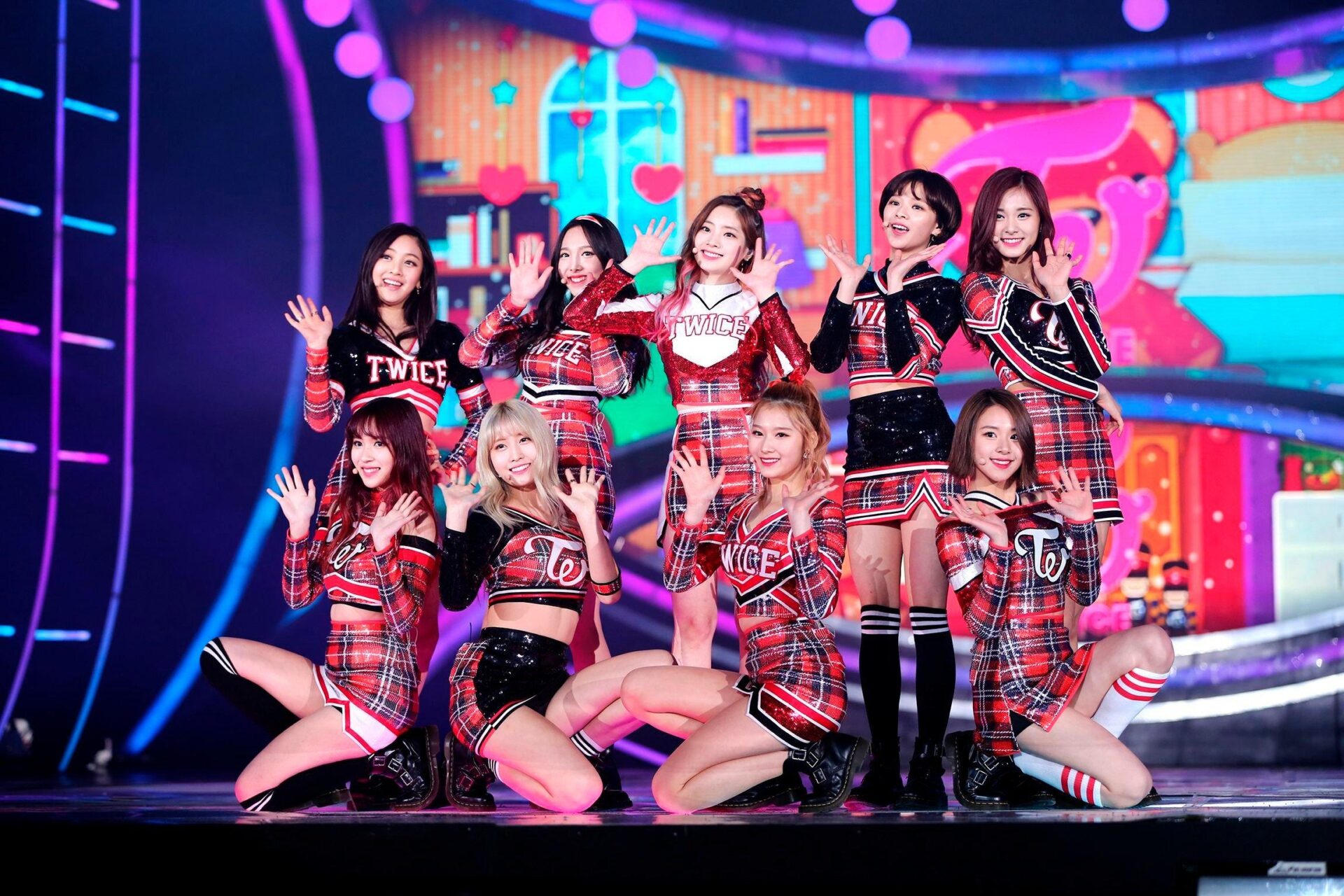
South Korean entertainment agencies debut dozens of new groups annually, hoping to replicate the success of global icons. With an estimated 300 active groups, however, only a small fraction achieve mainstream success.
For trainees, the journey begins with rigorous auditions, followed by years of intensive preparation. Daily schedules often stretch up to 15 hours, encompassing vocal training, choreography, fitness routines, and media appearances. Many trainees live in shared accommodations under strict supervision, with close monitoring of diet, weight, and personal image.
Former idol Ryu Sera once described the system as “factory-like,” where performers risk being treated as replaceable. Industry executives, however, argue that such discipline underpins K-pop’s global competitiveness.
Regulatory reforms have addressed some past concerns, including so-called “slave contracts” that previously bound artists to long-term agreements. Following a landmark legal dispute involving TVXQ, South Korea’s Fair Trade Commission introduced rules capping initial contracts at seven years.
Fan Culture and Personal Restrictions
A defining feature of K-pop is its deeply engaged fan base, but this dynamic can blur boundaries between public personas and private lives.
Rumours of romantic relationships frequently trigger backlash. Members of BTS and Aespa have faced organised fan protests, including billboard trucks accusing artists of betraying fan expectations.
In some cases, artists have issued public apologies over personal relationships, reflecting the industry’s long-standing practice of managing idols’ private lives to maintain a carefully curated image.
More concerning are incidents involving extreme fan behaviour. In 2024, a member of The Boyz was physically confronted by a fan, while authorities have pursued stalking cases involving high-profile idols.
Experts say this stems from a system that encourages emotional investment from fans. “Fans are not just consumers but participants who invest time and emotion,” noted academic Kim Seong-sheen, highlighting how the industry sustains an illusion of intimacy.
Mental Health Concerns and Industry Scrutiny
The pressures of fame, combined with intense public scrutiny, have contributed to ongoing concerns about mental health within the industry. In 2023, the death of Moonbin reignited debate over the toll placed on performers.
While experts caution that such tragedies are complex, cyberbullying and invasive scrutiny have been cited as contributing factors in several cases.
Industry leaders have pushed back against criticism, with HYBE chairman Bang Si-hyuk arguing that similar pressures exist in Western pop industries. However, analysts point to the hierarchical structure of K-pop, where agencies maintain significant control over artists’ careers and personal lives.
Balancing Success and Sustainability
Despite these challenges, K-pop continues to expand globally, driven by its disciplined production model and strong fan engagement. However, the industry faces growing calls to balance commercial success with improved working conditions, mental health support, and respect for artists’ autonomy.
As K-pop evolves, its ability to address these structural issues may prove critical in sustaining both its global appeal and the wellbeing of the performers at its core.