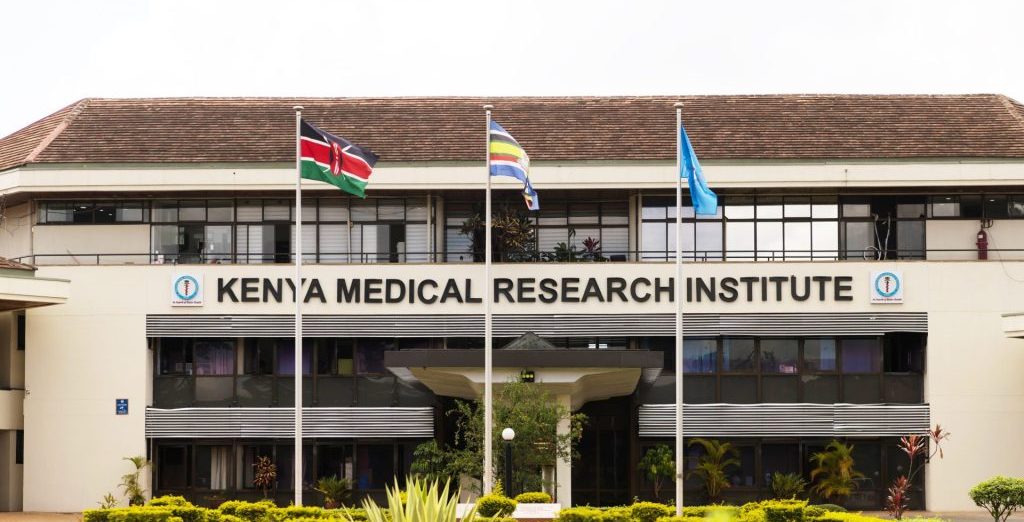
The Kenya Medical Research Institute (KEMRI) is providing crucial support in DNA testing to identify victims of the helicopter crash that occurred on February 28 in Nandi County.
Using its advanced molecular biology and forensic laboratories, KEMRI will collect DNA samples from relatives of the deceased for comparative analysis. The process will match genetic material recovered from the crash site with samples from close family members to ensure accurate identification. Trained scientists and forensic experts at KEMRI will conduct the analysis according to international standards.
Postmortem examinations are currently underway at Lee Funeral Home, where six victims, including Emurua Dikirr Member of Parliament Johana Ng’eno, are being examined. Due to the severe damage to the bodies, Ng’eno’s body will be reconstructed first before further examination. Government pathologist Johnsen Oduor is presiding over the autopsies, assisted by family representatives.
Ng’eno’s family has announced plans to bury the former MP on Friday, March 6. Narok Governor Patrick Ole Ntutu, who is also Ng’eno’s father-in-law, said the bodies of Ng’eno and protocol officer Wycliffe Kiprotich Rono will spend the night at his home, in accordance with Kipsigis customary rites.
A joint burial service for the remaining four victims Captain George Were, forest ranger Amos Kipng’etich, photojournalist Nick Kosgey, and Robert Keter, popularly known as “Mwalimu Carlos” will be held at Emurua Dikirr Primary School. The bodies will later be taken to their respective homes for separate burials later in the day.