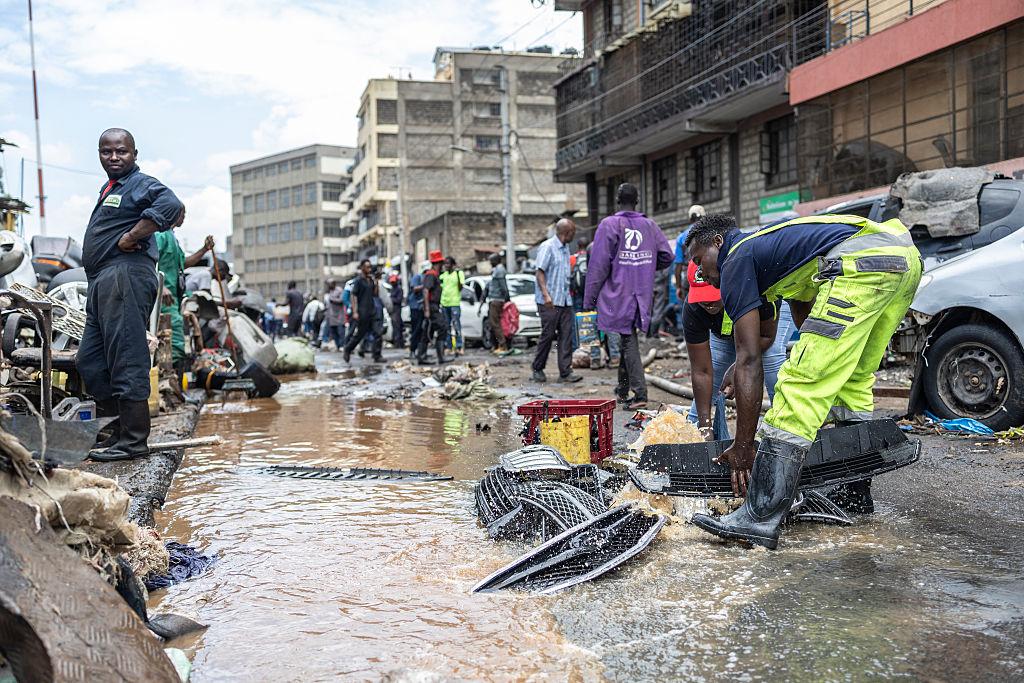
Kenya is grappling with the devastating impact of weeks of torrential rainfall and widespread flooding that have left at least 108 people dead, according to the National Police Service.
The updated toll, released on Saturday, underscores the scale of a crisis that has disrupted lives, damaged infrastructure, and displaced thousands across the country.
Widespread Destruction
The floods, which began on the evening of March 6, have caused extensive destruction in multiple regions of Kenya. Flash floods have swept away vehicles, damaged homes, and disrupted key services, including air travel and electricity supply.
Authorities report that more than 2,700 families have been displaced, with many forced to seek temporary shelter as waters inundated homes, particularly in low-lying and informal settlements.
Ongoing Risk Despite Reduced Rainfall
Although rainfall has eased in some areas, officials warn that the danger remains high. Saturated soils and blocked drainage systems continue to pose significant risks, leaving communities vulnerable to further flooding even with moderate rainfall.
Emergency response teams remain deployed in affected regions, monitoring water levels and preparing for additional evacuations if conditions worsen.
Disruption to Daily Life
The floods have had a broad socio-economic impact, forcing the closure of schools, rendering key transport routes impassable, and disrupting business operations.
Urban centers and rural communities alike have been affected, with infrastructure damage complicating relief efforts and slowing recovery.
Recurring Challenge, Growing Concern
Seasonal flooding is a recurring issue in Kenya, but the severity of the current situation has reignited debate over disaster preparedness and urban planning.
Experts point to increased vulnerability in flood-prone areas, particularly where rapid urbanization and inadequate drainage systems heighten exposure to extreme weather events.
Government Response and Public Advisory
Authorities have urged residents in high-risk zones to remain vigilant and adhere to official safety guidance.
The government continues to coordinate response efforts, focusing on rescue operations, humanitarian assistance, and mitigation measures aimed at reducing further loss of life.
Outlook
With weather conditions remaining unpredictable, the coming days will be critical in determining whether the situation stabilizes or escalates further.
The crisis highlights the urgent need for long-term strategies to strengthen resilience against extreme weather, improve infrastructure, and protect vulnerable communities across the country.